Key Takeaway
Oyo’s return to the IPO stage signals a pivot from growth-at-all-costs to margin-centric stability. Investors should view this as a litmus test for the sustainability of India's new-age tech business models.
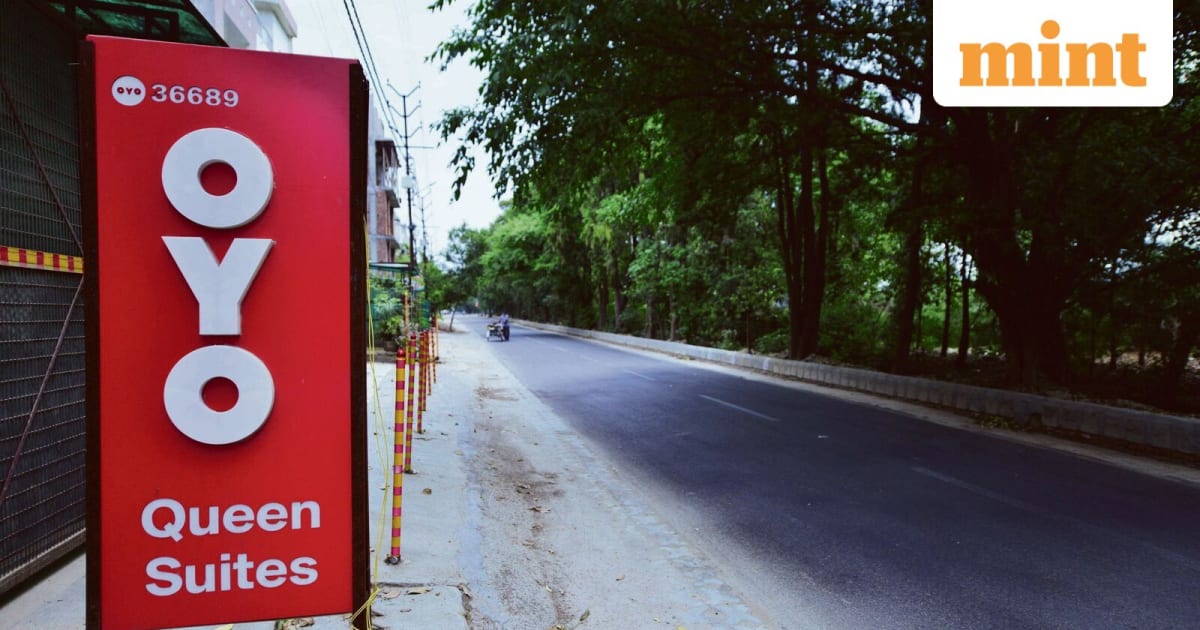
Oravel Stays has refiled its DRHP for a ₹6,650 crore IPO, signaling a major shift in investor sentiment toward hospitality tech. This analysis explores the implications for the Indian stock market, the competitive landscape with IHCL and EIH, and the risks of a debt-heavy balance sheet.
The Oyo IPO Revival: A Turning Point for Indian Tech?
The re-emergence of Oravel Stays—the parent company of hospitality giant Oyo—into the IPO pipeline is more than a corporate filing; it is a barometer for the Indian startup ecosystem. With plans to raise ₹6,650 crore, Oyo is testing a market that has grown significantly more discerning since the company's initial 2021 filing. As the firm transitions from a cash-burning aggregator to a leaner, profit-focused entity, investors must weigh the promise of global scalability against the realities of a capital-intensive hospitality sector.
Why Does the Oyo IPO Matter Right Now?
The timing of this refiling is not coincidental. After the volatile debut of several unicorn-status startups in 2022-2023, the Indian public market has entered a phase of 'rational exuberance.' Institutional investors are now prioritizing EBITDA-positive stories over top-line expansion. Oyo’s recent financial disclosures indicate a shift toward operational efficiency, suggesting that the company is preparing to satisfy the stringent valuation demands of domestic mutual funds and retail investors who were burnt by previous high-valuation tech IPOs.
How will the Oyo IPO impact the broader Indian hospitality sector?
The entry of a tech-first hospitality giant into the public sphere forces a revaluation of traditional hospitality models. While luxury players like IHCL and EIH have historically traded on asset-heavy, premium brand value, Oyo introduces a 'tech-stack-as-a-service' value proposition. This creates a direct pricing war in the mid-market and budget segments, likely pressuring the margins of smaller, non-branded hotels and forcing legacy players to accelerate their own digital transformation agendas to remain competitive.
Stock-by-Stock Breakdown: Who Wins and Who Loses?
The market impact of an Oyo IPO will ripple across several key NSE-listed entities:
- Indian Hotels Company Ltd (IHCL): As the industry leader, IHCL may see short-term volatility as capital flows toward the new tech entrant. However, its focus on the premium segment provides a defensive moat against Oyo's budget-centric model.
- EIH Ltd: Facing similar pressures to IHCL, EIH’s valuation is tied to physical asset ownership. Expect increased scrutiny on their digital booking capabilities as investors compare their tech-readiness to Oyo’s platform.
- Zomato & PB Fintech: These stocks serve as the historical benchmarks for 'new-age tech' performance. If Oyo’s IPO is priced attractively, it could spark a rally in the broader tech basket; if it flops, it could trigger a correction in the sector's P/E multiples.
- Delhivery: As another logistics-heavy tech player, Delhivery shares a similar narrative of 'scaling through complexity.' Oyo’s IPO will serve as a proxy for how much premium the market is willing to pay for operational turnaround stories.
The Expert View: Bulls vs. Bears
The Bull Case: Proponents argue that Oyo’s global footprint and proprietary revenue management algorithms provide a sustainable competitive advantage that traditional hotels cannot replicate. They point to the firm’s recent path to profitability as proof that the business model has finally matured.
The Bear Case: Skeptics highlight the persistent debt burden. With a large portion of the IPO proceeds earmarked for debt repayment rather than innovation, the company risks becoming a 'utility' player with limited room for aggressive growth, leaving them vulnerable to global hospitality giants like Marriott or Accor.
Investor Playbook: Navigating the Oravel Stays IPO
For the retail investor, the strategy should be one of caution. The IPO is expected to be a 'debt-clean-up' play, which is positive for balance sheet health but neutral for future growth. Investors should watch for the price-to-sales (P/S) ratio relative to global peers like Airbnb. If the valuation exceeds 5x-7x revenue, the margin of safety for retail participants is thin. We recommend a 'watch-and-wait' approach, specifically monitoring the anchor investor list in the weeks leading up to the issue date.
Risk Matrix: Assessing the Uncertainties
| Risk Factor | Probability | Impact |
|---|---|---|
| Debt Repayment Focus | High | Medium |
| Global Competition | High | High |
| Regulatory Hurdles | Medium | Medium |
What to Watch Next
Keep a close eye on the SEBI approval timeline. Any observations or queries raised by the regulator regarding Oyo’s previous financial restatements will be the primary catalyst for stock movement. Furthermore, monitor the quarterly results of IHCL; if they report a slowdown in mid-market occupancy, it could signal that Oyo is successfully capturing market share, potentially boosting sentiment for the upcoming IPO.
See Zomato's AI Score
Our algorithmic screener scores Zomato on fundamentals, momentum, and risk — free to try, no card needed.
Try the AI Screener →Have questions about this story?
Ask Welth, our finance-focused AI research assistant, for a deeper breakdown — free trial included.
Chat with Welth AI →Disclaimer: This content is generated by WelthWest Research Desk based on publicly available reports and is for informational purposes only. It does not constitute financial advice, investment recommendations, or an offer to buy or sell securities. Always consult a qualified financial advisor before making investment decisions.