Key Takeaway
The surge in Malaysian palm oil inventories signals a structural decline in raw material costs for India’s FMCG giants. Investors should look for margin expansion in consumer staples as input cost deflation replaces the inflationary pressures of previous quarters.
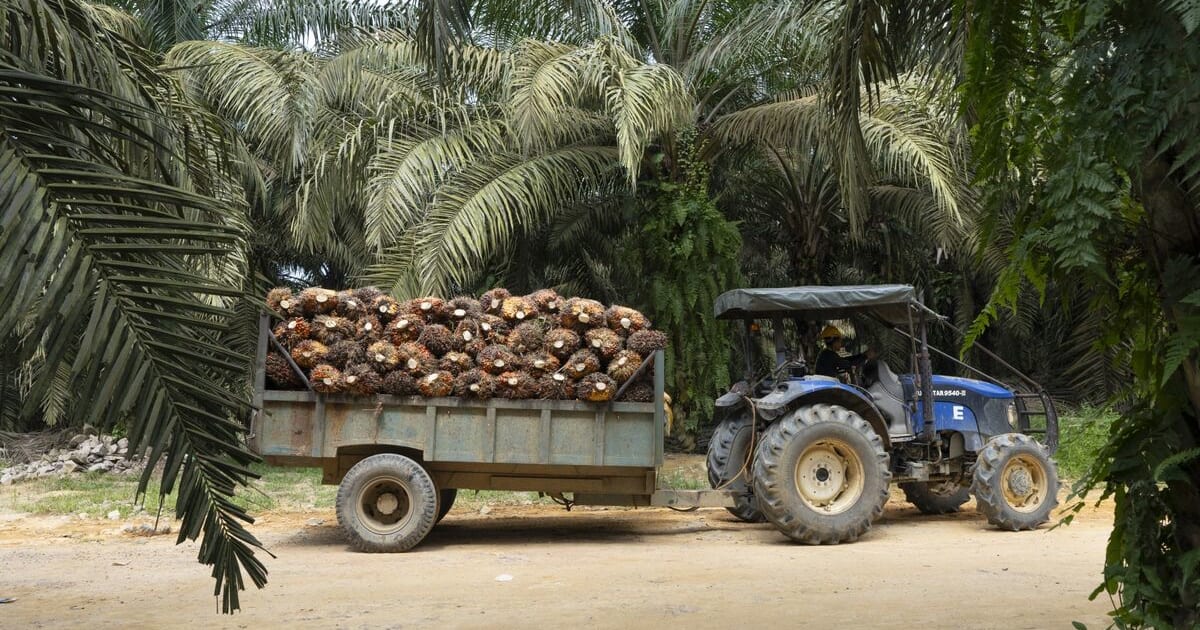
Record-high palm oil stockpiles in Malaysia are creating a global supply glut, providing a much-needed tailwind for Indian FMCG companies. We analyze the margin expansion potential for major players and evaluate the risks of government intervention in this shifting commodity landscape.
The Great Palm Oil Pivot: Mapping the Supply Glut
In the complex web of global commodities, few variables dictate the health of India's consumer economy as directly as the price of palm oil. As the world’s largest importer of edible oils, India’s domestic inflation trajectory is intrinsically linked to the stockpiles held by the Malaysian Palm Oil Board (MPOB). Recent data revealing a multi-month surge in Malaysian inventories is not merely a logistical footnote; it is a fundamental shift that promises to re-rate the margins of India's largest consumer goods companies.
For the past 24 months, India’s FMCG sector has been caught in a pincer movement: high raw material costs (RM) and sluggish rural demand. With palm oil—a core ingredient in everything from soaps to biscuits—trading at levels that suggest a sustained supply glut, we are entering a period of margin recovery that the market has yet to fully price in.
How will the Palm Oil surplus impact Indian FMCG margins?
The relationship between Malaysian palm oil reserves and Indian FMCG profitability is inverse and highly correlated. When inventories in Malaysia rise, export prices typically soften as producers compete for market share. For Indian firms, this translates into lower Cost of Goods Sold (COGS). During the 2022 commodity super-cycle, palm oil prices spiked, forcing FMCG companies to absorb costs or hike prices, leading to volume degrowth. As we see a reversal today, the inverse is set to play out: margin expansion through input cost deflation.
Historically, when palm oil prices stabilize or decline, companies like Hindustan Unilever (HUL) and Britannia see a 150–300 basis point expansion in EBITDA margins over a two-quarter lag. With the Nifty FMCG index hovering near its valuation peaks, the market is waiting for a catalyst to justify these multiples. This commodity reprieve is exactly that catalyst.
Stock-by-Stock Breakdown: Who Wins, Who Loses?
The impact of this commodity shift is not uniform across the NSE. We categorize the winners and losers based on their exposure to palm oil as a primary input versus their reliance on domestic pricing power.
- Hindustan Unilever (HUL): As a leader in the personal care space, HUL is a primary beneficiary. Palm oil derivatives are essential for soap manufacturing. With a market cap exceeding ₹6 lakh crore, even a 1% reduction in input costs significantly bolsters the bottom line.
- Britannia Industries: The bakery giant is highly sensitive to edible oil prices. Lower palm oil costs directly improve the gross margins of their biscuit portfolio, allowing for aggressive promotional spends to drive volume growth.
- Nestle India: While more diversified, Nestle benefits from the cooling of edible oil inflation across its processed food categories, likely supporting a P/E multiple expansion as earnings visibility improves.
- Adani Wilmar: The story here is nuanced. As India’s largest edible oil refiner, they benefit from volume growth, but lower prices can lead to inventory losses if not managed. This is a "wait and see" play for aggressive traders.
- Godrej Agrovet: The clear loser in this scenario. Lower edible oil prices exert downward pressure on domestic oilseed realizations, hurting the palm oil plantation and processing segments of the business.
The Contrarian View: Why Bears Are Wary
While the sentiment is bullish, institutional bears point to two critical risks. First, the Government Intervention Risk: New Delhi has a history of adjusting import duties to protect domestic oilseed farmers. If the government perceives that cheap imports are harming local farmers, they may hike duties, effectively neutralizing the price benefits for FMCG players. Second, Currency Volatility: The INR-MYR exchange rate acts as a hedge. If the Indian Rupee weakens against the Malaysian Ringgit, the cost savings from lower palm oil prices will be eroded at the customs gate.
Investor Playbook: Navigating the Commodity Cycle
For investors looking to capitalize on this trend, we suggest the following strategy:
- Accumulate on Dips: Focus on FMCG stocks with high volume-growth potential (Britannia, HUL) rather than pure-play commodity refiners.
- Monitor the MPOB Reports: The monthly Malaysian Palm Oil Board supply-demand data is your leading indicator. If inventories continue to build, the margin expansion story is intact.
- Watch for Duty Hikes: Keep a close eye on the Ministry of Commerce notifications. Any talk of increasing import duties on CPO (Crude Palm Oil) should be treated as a sell signal for the FMCG basket.
Risk Matrix
| Risk Factor | Probability | Impact |
|---|---|---|
| Govt Import Duty Hike | Medium (40%) | High |
| INR-MYR Currency Depreciation | Low (25%) | Medium |
| El Niño-induced Supply Shock | Low (15%) | High |
What to Watch Next
The next major catalyst will be the Union Budget announcements regarding agricultural trade policy and the upcoming quarterly earnings season where we expect management commentary to shift from "inflationary headwinds" to "margin optimization." Watch the 15th of each month for the latest MPOB data—if the stockpile figure exceeds 2.5 million tonnes, expect further downward pressure on prices, providing a sustained tailwind for Indian consumer stocks.
See Hindustan Unilever (HUL)'s AI Score
Our algorithmic screener scores Hindustan Unilever (HUL) on fundamentals, momentum, and risk — free to try, no card needed.
Try the AI Screener →Have questions about this story?
Ask Welth, our finance-focused AI research assistant, for a deeper breakdown — free trial included.
Chat with Welth AI →Disclaimer: This content is generated by WelthWest Research Desk based on publicly available reports and is for informational purposes only. It does not constitute financial advice, investment recommendations, or an offer to buy or sell securities. Always consult a qualified financial advisor before making investment decisions.