Key Takeaway
The Philippines' successful $2.5 billion bond issuance marks a return of global risk appetite. For India, the underlying catalyst—de-escalation in US-Iran tensions—serves as a massive 'peace dividend' that could slash import costs and catalyze a rally in consumer-facing sectors.
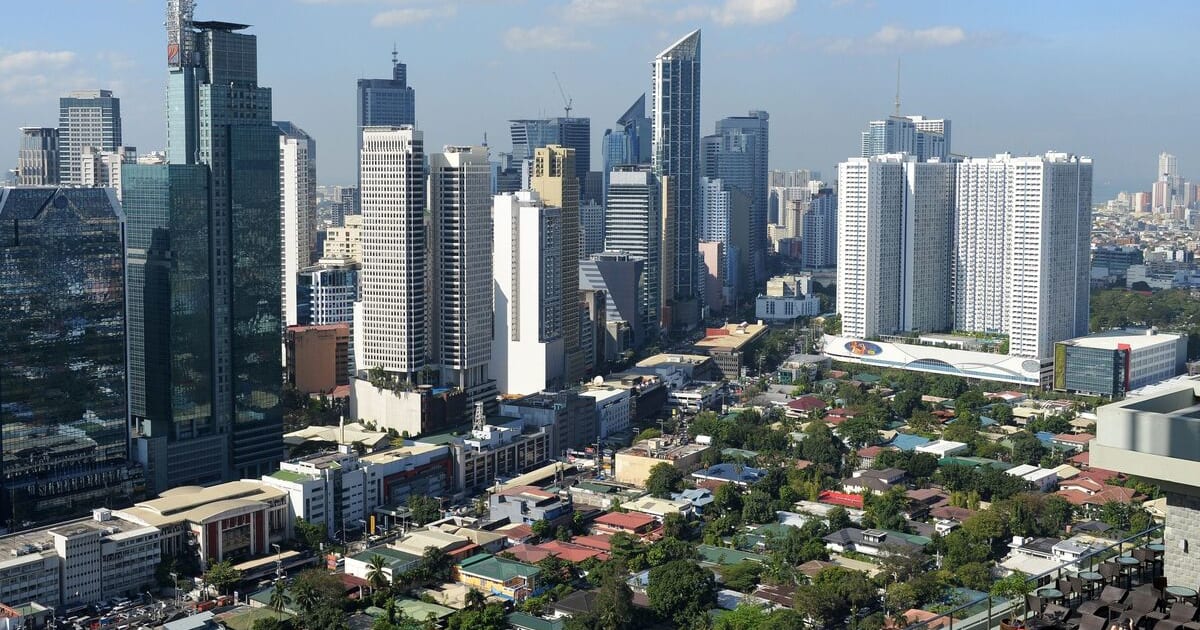
Emerging market debt is back in favor as global borrowing costs stabilize. This report breaks down how the easing of Middle East geopolitical tensions is a direct tailwind for the Indian economy, specifically benefiting oil-sensitive sectors and the INR while pressuring traditional safe-havens like gold.
The Global Liquidity Shift: Why the Philippines Bond Deal Matters for India
In a move that has sent ripples through emerging market (EM) desks from Singapore to Mumbai, the Philippines successfully raised $2.5 billion in a global bond issuance this week. While a sovereign debt sale by Manila might seem geographically distant, it serves as the ultimate bellwether for global investor sentiment. The oversubscription of these bonds confirms a critical shift: global capital is no longer fleeing to the US dollar for safety; it is aggressively seeking yield in high-growth emerging economies as the prospect of US-Iran diplomatic normalization lowers the geopolitical risk premium.
For the Indian equity market, this is the macro-catalyst we have been waiting for. The primary driver of this renewed risk appetite is the tangible progress in US-Iran peace talks. A cooling of tensions in the Strait of Hormuz is not just a diplomatic win; it is a fundamental shift in the global energy supply-demand balance that directly impacts India’s trade deficit.
How does the 'Peace Dividend' impact the Indian trade deficit?
India remains one of the world’s largest net importers of crude oil. Historically, when geopolitical volatility spikes in the Middle East, the Nifty 50 experiences a ‘risk-off’ correction. For instance, in Q1 2022, when oil prices surged toward $130/bbl, the Nifty 50 dipped nearly 8% in weeks due to fears of imported inflation. Conversely, a sustained peace deal could push crude prices toward the $70-$75 range. This would save billions in foreign exchange, support the Rupee (INR), and provide the Reserve Bank of India (RBI) with the necessary headroom to pause or pivot on interest rates.
Sector-Level Analysis: Who Wins and Who Loses?
When the macro tide turns, the impact is uneven. Investors must distinguish between direct beneficiaries of lower input costs and those suffering from the loss of 'fear premiums.'
- Oil Marketing Companies (OMCs): These are the immediate winners. Lower crude prices mean higher gross refining margins (GRM) and reduced under-recoveries on fuel sales.
- Aviation & Paints: Aviation turbine fuel (ATF) and petrochemical derivatives (solvents/binders) constitute the bulk of costs for these industries. Lower oil prices provide an immediate expansion in EBITDA margins.
- Oil Exploration Companies: These represent the 'losers' in this scenario. As the price of crude stabilizes at lower levels, the windfall gains that supported their valuations during the 2022-2023 energy crunch will likely evaporate.
Stock-by-Stock Breakdown: Positioning Your Portfolio
1. BPCL (NSE: BPCL): With a P/E ratio currently hovering around 7.5x, BPCL is the primary proxy for the OMCs. As crude prices soften, their marketing margins in the retail segment will likely see a structural expansion. Watch for a target price breakout above the 200-day moving average.
2. InterGlobe Aviation (NSE: INDIGO): Fuel accounts for nearly 40% of Indigo's operating expenses. A $10 drop in Brent crude could translate to a 3-5% increase in net profit margins. With a dominant market share, Indigo is the cleanest play on lower energy costs.
3. Asian Paints (NSE: ASIANPAINT): The paint industry relies heavily on crude oil derivatives. While the stock has faced pressure due to raw material inflation, a cooling oil market provides the perfect setup for a margin recovery in the next two quarters.
4. ONGC (NSE: ONGC): ONGC benefits when oil is expensive. If the peace deal holds, investors should expect a contraction in their realization prices. This is a classic ‘sell the news’ candidate if the geopolitical situation stabilizes.
The Expert Perspective: Bull vs. Bear
The Bull Argument: Bulls argue that this is the start of a 'Goldilocks' environment for India—lower inflation, a stronger Rupee, and sustained GDP growth. They point to the fact that foreign institutional investor (FII) inflows have been muted, and any positive macro trigger could trigger a massive influx of liquidity into large-cap banking and consumption stocks.
The Bear Argument: Bears caution against premature optimism. They argue that the US-Iran situation is notoriously volatile. A single breakdown in negotiations could spike oil prices by 20% in a single trading session, causing a 'whipsaw' effect that would trap retail investors who bought into the rally at local highs.
Actionable Investor Playbook
Investors should adopt a tiered approach to this macro shift:
- Accumulate (Buy): Focus on sectors with the highest operating leverage to oil prices. Aviation and OMCs should be your first port of call. Look for entry points on any minor dips in Nifty 50 index funds.
- Rotate (Sell/Reduce): Trim positions in upstream oil exploration companies. Their cycle has peaked, and there is more downside risk than upside potential in the current geopolitical climate.
- Hedge: Maintain a small allocation to gold, but treat it as a portfolio insurance policy rather than a growth asset. If the peace deal holds, gold's status as a safe-haven will weaken, leading to price consolidation.
Risk Matrix
| Risk Factor | Probability | Impact |
|---|---|---|
| US-Iran Diplomatic Collapse | Medium | High |
| OPEC+ Production Cuts | Low | Medium |
| Global Recessionary Fears | High | High |
What to Watch Next
The next 30 days are critical. Keep a close eye on the US Energy Information Administration (EIA) crude oil inventory reports, as these will provide the first hard data on whether the market is tightening or loosening. Additionally, monitor the RBI Monetary Policy Committee (MPC) meeting minutes—any hint of a shift to a 'neutral' stance would be the final confirmation that the 'peace dividend' is being felt at the central bank level.
See BPCL's AI Score
Our algorithmic screener scores BPCL on fundamentals, momentum, and risk — free to try, no card needed.
Try the AI Screener →Have questions about this story?
Ask Welth, our finance-focused AI research assistant, for a deeper breakdown — free trial included.
Chat with Welth AI →Disclaimer: This content is generated by WelthWest Research Desk based on publicly available reports and is for informational purposes only. It does not constitute financial advice, investment recommendations, or an offer to buy or sell securities. Always consult a qualified financial advisor before making investment decisions.