Key Takeaway
The hardware bottleneck is forcing a margin-compressing pivot for payment aggregators. Investors should rotate toward software-centric players as the era of hardware-subsidized merchant acquisition hits a structural wall.
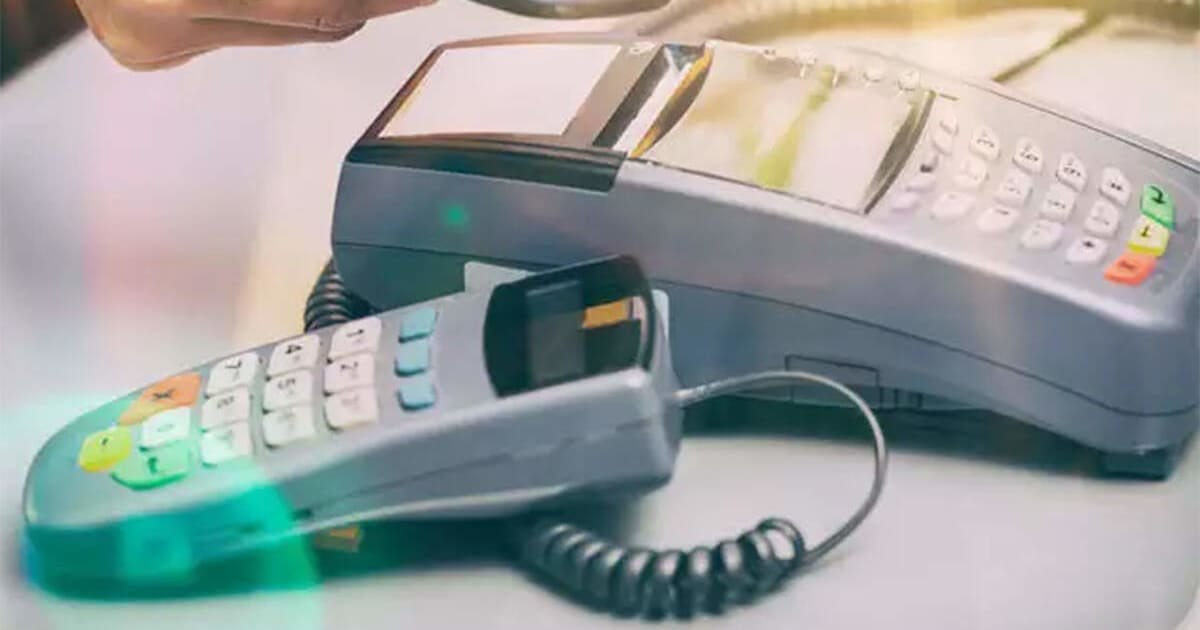
India’s digital payments boom is hitting a physical roadblock as imported PoS terminal supplies tighten, inflating merchant acquisition costs. This report analyzes the impact on major fintechs and banks, identifying the winners in the shift toward software-only payment solutions.
The Hardware Bottleneck: A Structural Shift for India’s Fintech Ecosystem
For the past five years, the narrative surrounding India’s digital payments revolution has been one of unbridled expansion: millions of PoS (Point of Sale) terminals deployed into the hands of kirana stores and SMEs. However, a silent crisis is brewing in the supply chain. Global geopolitical instability and semiconductor shortages have created a severe bottleneck in the import of PoS terminals, fundamentally altering the cost structure of India’s merchant acquisition business.
This is not merely a temporary supply delay; it is a structural challenge. As hardware costs rise, payment aggregators and banks are being forced to either absorb these costs—compressing already thin margins—or pass them onto merchants, which risks slowing the pace of digital penetration in Tier-2 and Tier-3 markets. For investors, this marks a transition from a 'growth-at-all-costs' phase to an 'operational efficiency' phase.
How does the PoS shortage impact the Indian stock market?
The reliance on imported hardware, primarily from China and Southeast Asian hubs, has made Indian fintechs vulnerable to global trade friction. Historically, when hardware costs surged during the 2022 supply chain crunch, we observed a 15-20% contraction in the margins of pure-play payment aggregators within two quarters. Currently, the market is mispricing the long-term impact on the 'take rate'—the percentage of transaction value that a payment provider keeps as revenue.
As terminals become more expensive, the payback period for a single device—historically 12 to 18 months—is stretching. If this duration exceeds 24 months, the unit economics for major players like One97 Communications (Paytm) and PB Fintech become precarious. We are seeing a divergence where hardware-heavy models are underperforming, while software-only solutions (SoftPoS, QR-based UPI) are gaining institutional favor.
Stock-by-Stock Breakdown: Who Wins and Who Loses?
- One97 Communications (Paytm) [NSE: PAYTM]: Paytm has aggressively pushed hardware to increase merchant stickiness. With elevated import costs, their 'device subscription' model faces margin pressure. Investors should watch their quarterly 'contribution margin' closely; a decline here is a leading indicator of hardware cost inflation.
- HDFC Bank [NSE: HDFCBANK]: As the largest merchant acquirer in India, HDFC Bank has the scale to absorb costs, but the sheer volume of their PoS deployment makes them sensitive to hardware pricing. Their high-cost acquisition strategy may face a valuation ceiling if they cannot pivot to lower-cost QR-only onboarding.
- PB Fintech (PolicyBazaar) [NSE: POLICYBZR]: While primarily insurance-led, their expansion into SME payment services faces the same hardware headwind. They remain a 'watch' stock, dependent on how efficiently they can transition to software-led merchant interactions.
- Axis Bank [NSE: AXISBANK]: Axis has been aggressive in the PoS space. Their reliance on physical footprint expansion makes them a bellwether for the 'physical-to-digital' transition. If they pivot to software-based payments, they could mitigate the current hardware drag.
The Expert Perspective: Bull vs. Bear Case
The Bear Case: The 'Hardware Trap' is real. Prolonged instability will force fintechs to choose between stagnant growth or lower profitability. The reliance on imported terminals is a structural weakness that will continue to plague balance sheets until domestic manufacturing reaches the necessary scale.
The Bull Case: This is a catalyst for innovation. The bottleneck is accelerating the adoption of 'SoftPoS'—transforming smartphones into payment terminals via NFC. This shift will eventually lower the capital expenditure (CAPEX) for fintech firms, leading to higher long-term margins and a leaner, more scalable business model.
Actionable Investor Playbook
Investors should adopt a defensive stance toward hardware-heavy payment firms. Our research suggests the following strategy:
- Reduce Exposure: Trim positions in companies with high 'Terminal-per-Merchant' ratios and low software-margin diversification.
- Watch the Shift: Monitor quarterly investor presentations for mentions of 'SoftPoS' or 'QR-only onboarding' metrics. Companies successfully migrating users away from physical hardware deserve a premium valuation.
- Look for Import Substitution: Research mid-cap domestic electronic manufacturing services (EMS) providers that are beginning to manufacture payment hardware locally. These are the long-term 'picks and shovels' winners.
Risk Matrix
| Risk Factor | Probability | Impact |
|---|---|---|
| Sustained Trade/Geopolitical Conflict | Medium | High |
| Rapid Adoption of SoftPoS Technology | High | Medium |
| Regulatory Shift (RBI Mandates on Hardware) | Low | High |
What to watch next?
Keep a close eye on the upcoming quarterly earnings calls for HDFC and Paytm. Specifically, look for management commentary on 'Merchant Acquisition Costs' (MAC). If MAC trends upward while transaction volumes remain flat, the hardware squeeze is officially impacting profitability. Additionally, monitor RBI circulars regarding digital payment infrastructure, as any move to incentivize local manufacturing could provide a massive tailwind for domestic hardware manufacturers, potentially shifting the investment landscape entirely.
See Paytm (One97 Communications)'s AI Score
Our algorithmic screener scores Paytm (One97 Communications) on fundamentals, momentum, and risk — free to try, no card needed.
Try the AI Screener →Have questions about this story?
Ask Welth, our finance-focused AI research assistant, for a deeper breakdown — free trial included.
Chat with Welth AI →Disclaimer: This content is generated by WelthWest Research Desk based on publicly available reports and is for informational purposes only. It does not constitute financial advice, investment recommendations, or an offer to buy or sell securities. Always consult a qualified financial advisor before making investment decisions.