Key Takeaway
Razorpay’s confidential IPO filing signals the maturation of India’s digital payment infrastructure, setting a new valuation benchmark that will force a repricing of listed fintech peers and pressure legacy incumbents.
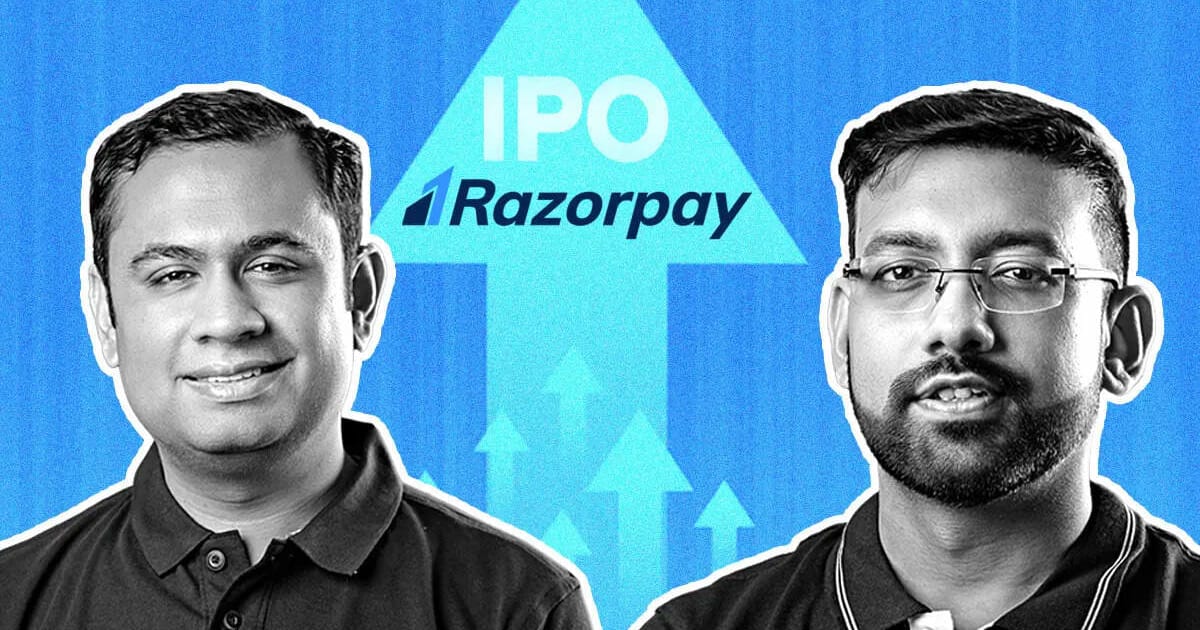
Fintech unicorn Razorpay has initiated the confidential IPO filing process with SEBI, signaling a potential $600 million public offering. This move marks a pivotal transition for India’s digital economy, forcing investors to reassess valuations across the fintech and digital infrastructure sectors.
The Razorpay IPO: A Watershed Moment for India’s Digital Economy
The confidential filing by Razorpay with the Securities and Exchange Board of India (SEBI) is more than just another listing; it is the arrival of a structural benchmark for the Indian fintech industry. As the dominant player in the B2B payment gateway space, Razorpay’s entry into the public market provides a definitive reference point for private equity-backed fintech valuations that have remained opaque since the cooling of global liquidity in 2022.
For years, the Indian fintech sector has been characterized by high-burn, high-growth narratives. Razorpay’s transition to a public entity signifies a shift toward sustainable profitability and disciplined capital allocation, a move that will inevitably draw increased Foreign Institutional Investor (FII) interest into India’s digital infrastructure ecosystem.
Why does Razorpay’s IPO matter for the broader NSE/BSE landscape?
The market is currently struggling to assign a fair 'fintech premium' to companies that bridge the gap between payment processing and credit underwriting. Razorpay’s S-1 equivalent (DRHP) will likely reveal unit economics that challenge the current P/S (Price-to-Sales) ratios of listed incumbents. When One97 Communications (PAYTM) navigated its turbulent post-listing phase, the lack of a direct, high-growth B2B comparable made valuation a moving target. Razorpay fills that void, providing a 'pure-play' benchmark for digital payment gateway efficiency.
How will this IPO impact the valuation of existing fintech stocks?
Razorpay’s entry creates a 'valuation anchor.' If Razorpay lists at a premium, it will likely trigger a re-rating of PB Fintech (POLICYBZR), as investors look to consolidate their holdings in high-growth digital financial service providers. Conversely, legacy players with high maintenance costs and lower technological agility will likely see valuation compression as capital rotates toward the new, more efficient market leader.
Stock-by-Stock Breakdown: The Ripple Effect
- One97 Communications (PAYTM): The primary peer. Razorpay’s focus on the B2B merchant segment creates direct pressure on Paytm’s enterprise gateway business. Investors should watch for margin comparisons; if Razorpay demonstrates superior take-rates, Paytm may face further selling pressure.
- PB Fintech (POLICYBZR): As a leader in the digital insurance aggregation space, PolicyBazaar benefits from the 'fintech cluster' effect. Increased attention on the sector usually drives liquidity into top-tier digital service stocks.
- Zomato (ZOMATO): While a delivery giant, Zomato’s deep integration with fintech (via Zomato Pay and credit offerings) makes it a proxy for the broader digital consumption economy. Razorpay’s public debut validates the high-multiple valuation assigned to Zomato’s fintech-adjacent revenue streams.
- Infosys (INFY): As the backbone of India’s digital infrastructure, Infosys acts as a 'pick and shovel' play. A successful fintech IPO cycle increases the demand for custom digital transformation services, providing a stable tailwind for IT majors.
The Bull vs. Bear Case: Expert Perspective
The Bull Argument: Bulls posit that Razorpay represents the 'gold standard' of Indian SaaS-fintech. With a massive merchant base and a diversified product suite (including credit, payroll, and banking services), they argue that Razorpay’s IPO will unlock significant market cap potential, justifying current high-growth multiples.
The Bear Argument: Bears point to the tightening regulatory environment. The Reserve Bank of India (RBI) has shown an increasing appetite for intervention in Merchant Discount Rates (MDR) and data localization. If Razorpay’s margins are compressed by future regulatory caps on transaction fees, the IPO valuation could be significantly lower than private market expectations.
Actionable Investor Playbook
Investors should adopt a 'wait-and-see' approach regarding the primary IPO, focusing instead on the secondary market shifts:
- Watch the Peer Group: Keep a close eye on the P/E and P/S compression of listed fintechs in the 30 days following the DRHP disclosure.
- Accumulation Strategy: Focus on companies with high 'take-rates' that are less sensitive to MDR-related regulatory shocks.
- Time Horizon: This is a medium-to-long-term play. The real volatility will occur in the 6-month window surrounding the listing date, as institutional portfolios rebalance.
Risk Matrix: Navigating Potential Headwinds
| Risk Factor | Probability | Impact |
|---|---|---|
| Regulatory MDR Caps | High | High |
| Intense UPI Competition | Medium | Medium |
| Market Liquidity Crunch | Low | High |
What to watch next?
The most critical catalyst will be the public release of the Draft Red Herring Prospectus (DRHP). Analysts will be scouring the document for the Take-Rate (Net Revenue / Total Payment Volume). If this figure shows stability despite the competitive landscape, it will be the strongest signal yet that the Indian fintech sector has truly moved from the 'growth-at-all-costs' phase to the 'profitable-scale' phase.
See PAYTM (One97 Communications)'s AI Score
Our algorithmic screener scores PAYTM (One97 Communications) on fundamentals, momentum, and risk — free to try, no card needed.
Try the AI Screener →Have questions about this story?
Ask Welth, our finance-focused AI research assistant, for a deeper breakdown — free trial included.
Chat with Welth AI →Disclaimer: This content is generated by WelthWest Research Desk based on publicly available reports and is for informational purposes only. It does not constitute financial advice, investment recommendations, or an offer to buy or sell securities. Always consult a qualified financial advisor before making investment decisions.