Key Takeaway
The RBI’s 'higher-for-longer' stance is a double-edged sword: it anchors banking profitability via sustained Net Interest Margins (NIMs) while simultaneously tightening the liquidity noose on growth-dependent sectors like real estate and auto.
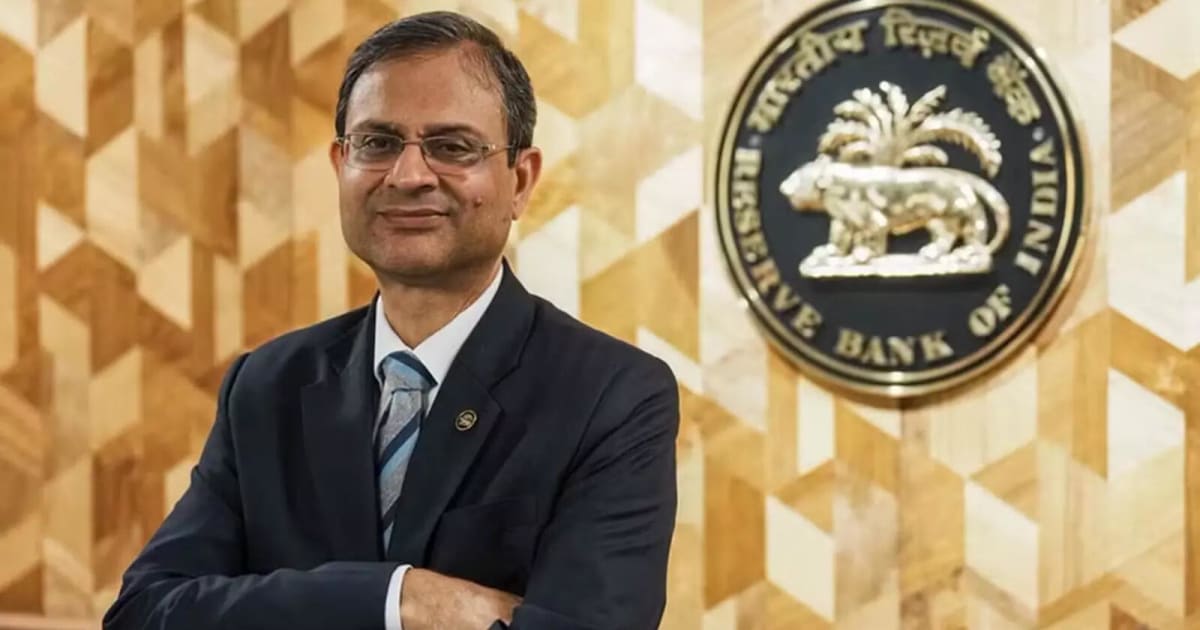
The Reserve Bank of India is widely expected to maintain the status quo on its repo rate, prioritizing inflation control over immediate growth stimulus. This deep dive examines the implications for Nifty 50 constituents, sector-specific winners, and the underlying risks to your equity portfolio.
The RBI’s Strategic Pivot: Why 'Status Quo' is the New 'Hawkish'
In the current macroeconomic climate, the Reserve Bank of India (RBI) is operating under a mandate of extreme caution. With inflation hovering near the upper tolerance band and global commodity volatility refusing to subside, the central bank’s decision to maintain the status quo on the repo rate is not merely a pause—it is a calculated defensive maneuver. For the Indian investor, this signals that the 'easy money' era of the post-pandemic recovery is firmly in the rearview mirror.
Historical data from the 2022 tightening cycle shows that when the RBI maintains a 'withdrawal of accommodation' stance, the Nifty 50 typically enters a period of consolidation with a distinct rotation from growth-oriented stocks to value-heavy, cash-rich balance sheets. By holding rates steady, the RBI is effectively prioritizing price stability to prevent a wage-price spiral, even at the cost of tempering near-term GDP growth momentum.
How will the RBI rate pause affect banking and auto stocks?
The impact of a stable repo rate is highly asymmetric across the Indian equity landscape. The banking sector, particularly large-cap lenders, remains the primary beneficiary of this environment. When the repo rate remains elevated, banks are afforded the luxury of maintaining higher Net Interest Margins (NIMs). By keeping lending rates high while deposit rate repricing lags, banks like HDFC Bank (HDFCBANK) and ICICI Bank (ICICIBANK) can sustain their profitability metrics, as seen in their recent quarterly reports where NIMs remained resilient despite credit growth headwinds.
Conversely, interest-sensitive sectors like auto and real estate face a different reality. For a company like Maruti Suzuki (MARUTI), a static repo rate means the cost of auto financing remains a hurdle for mid-segment buyers. Similarly, DLF (DLF) and other major real estate developers are forced to contend with higher mortgage rates, which naturally dampen consumer demand for residential inventory. The correlation is clear: as long as the repo rate stays at current levels, the 'affordability' metric for the Indian middle class remains under pressure.
Deep Market Impact: A Sector-Level Breakdown
To understand the current market sentiment, one must look at the divergence between credit-heavy and credit-sensitive sectors. The banking sector’s resilience is rooted in the fact that the Indian economy is currently witnessing a robust credit cycle. Despite the high cost of borrowing, demand for retail and corporate credit remains elevated, allowing lenders to pass on the interest burden to borrowers without significant volume loss.
However, the narrative shifts when analyzing infrastructure and high-leverage firms. Companies with high debt-to-equity ratios are seeing their interest coverage ratios compress, leading to margin erosion. Investors should prioritize balance sheet quality over top-line growth in this environment. The market is increasingly rewarding firms with low net-debt-to-EBITDA ratios, a trend that is likely to persist as long as the RBI stays hawkish.
Stock-by-Stock Breakdown: Where the Smart Money is Moving
- HDFC Bank (HDFCBANK): Beneficiary of the rate pause. With a massive retail deposit base, the bank is well-positioned to manage liquidity and maintain NIMs in the 3.4-3.6% range.
- ICICI Bank (ICICIBANK): Demonstrating superior asset quality and a granular loan book. The bank's ability to maintain a healthy CASA ratio (Current Account Savings Account) provides a significant competitive edge in a high-rate environment.
- State Bank of India (SBIN): As the largest lender, SBI acts as a proxy for the Indian economy. Its ability to absorb rate volatility makes it a core holding for institutional portfolios.
- DLF (DLF): Faces headwinds. High interest rates are a direct tax on luxury and mid-segment home buying, potentially cooling the meteoric rise in property bookings seen in early 2023.
- Maruti Suzuki (MARUTI): Monitoring the 'replacement cycle.' While premium SUVs are selling well, the entry-level segment is highly sensitive to financing costs, which remain elevated due to the RBI’s stance.
Expert Perspective: The Bull vs. Bear Debate
The Bull Case: Proponents argue that the RBI’s stability provides a 'floor' for the market. By avoiding a surprise rate hike, the central bank is preventing a liquidity shock, allowing the Nifty to trade on earnings growth rather than monetary policy swings. The focus remains on India’s structural GDP growth story, which is expected to remain the highest among G20 nations.
The Bear Case: Skeptics warn that 'higher for longer' is a silent killer. They argue that by ignoring the need for stimulus, the RBI is risking a slowdown in private capital expenditure (CapEx). If inflation spikes due to external shocks—like crude oil volatility—the RBI may be forced into an aggressive pivot, which would trigger a violent market correction as the 'pivot' narrative is suddenly replaced by a 'recession' fear.
Actionable Investor Playbook
For the retail and institutional investor, the strategy should be one of 'selective accumulation':
- Overweight Banking: Focus on private lenders with strong deposit franchises. Look for P/B ratios that are at the historical mean, avoiding over-extended valuations.
- Defensive FMCG: Companies like Hindustan Unilever (HINDUNILVR) offer a hedge against inflation. Their pricing power allows them to pass on input costs to consumers, maintaining stable EBITDA margins.
- Avoid High-Leverage: Screen for companies with a debt-to-equity ratio above 1.5x in the infrastructure and real estate sectors. The cost of debt servicing is currently a major profit drag.
Risk Matrix
| Risk Factor | Probability | Impact |
|---|---|---|
| Food Inflation Spike | High | Medium |
| Geopolitical Oil Shock | Medium | High |
| Liquidity Crunch | Low | High |
What to Watch Next
Investors should keep a close eye on the upcoming Monetary Policy Committee (MPC) minutes for any shift in the voting pattern. Furthermore, the Consumer Price Index (CPI) data releases over the next two months will be the primary catalyst for market movement. If CPI prints above the 5.5% mark, expect a hawkish shift in market sentiment, regardless of the RBI’s official stance.
See HDFC Bank's AI Score
Our algorithmic screener scores HDFC Bank on fundamentals, momentum, and risk — free to try, no card needed.
Try the AI Screener →Have questions about this story?
Ask Welth, our finance-focused AI research assistant, for a deeper breakdown — free trial included.
Chat with Welth AI →Disclaimer: This content is generated by WelthWest Research Desk based on publicly available reports and is for informational purposes only. It does not constitute financial advice, investment recommendations, or an offer to buy or sell securities. Always consult a qualified financial advisor before making investment decisions.