Key Takeaway
The Reserve Bank of India's subtle acknowledgment of rupee undervaluation marks a pivotal moment, signaling a potential shift from passive observation to active stabilization. This verbal intervention could curb aggressive shorting, reduce currency risk for foreign investors, and inject renewed bullish sentiment into select Indian market segments.
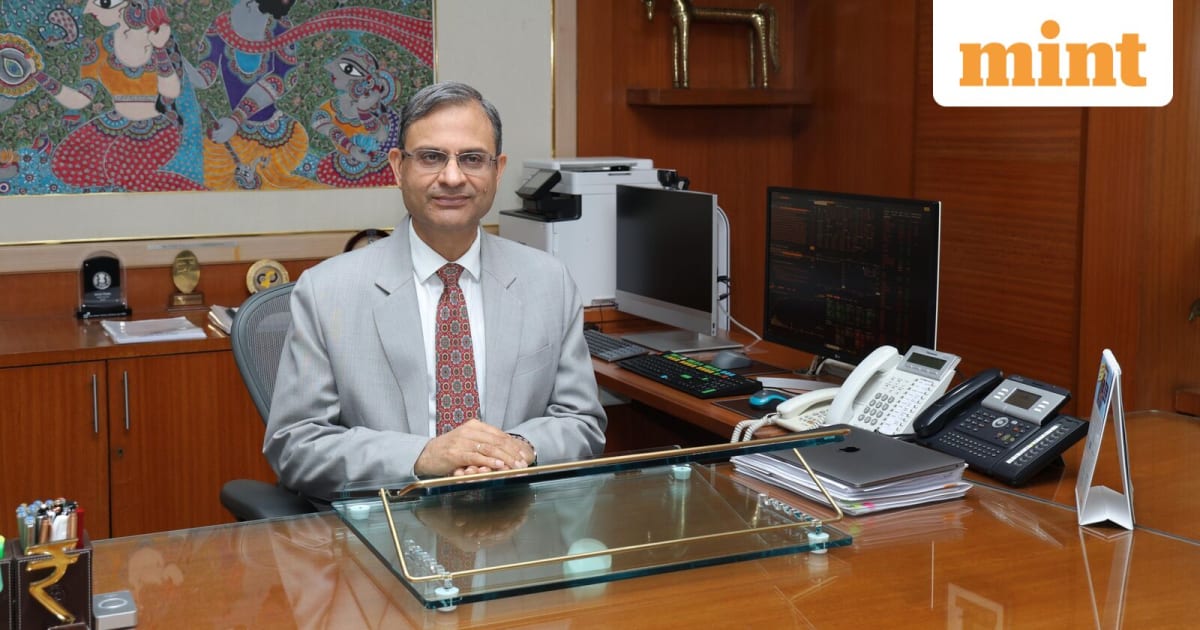
The Indian Rupee's recent depreciation has prompted a significant signal from the RBI, suggesting the currency may now be undervalued. This strategic communication aims to deter speculative attacks and stabilize import costs, with profound implications for Indian equities. This in-depth analysis explores the winners, losers, and actionable strategies for investors navigating this evolving macro landscape.
RBI's Subtle Signal: Is the Rupee Undervalued? A Bullish Omen for Indian Equities?
In a development that has sent ripples through the Indian financial landscape, the Reserve Bank of India (RBI) has, through its pronouncements, indicated a belief that the Indian Rupee (INR) may be trading below its intrinsic value following a period of notable depreciation. This is not merely a rhetorical observation; it represents a potent signal from the nation's central bank, suggesting a potential shift in its stance towards currency management and potentially setting a floor for the Rupee. For seasoned investors and keen observers of the Indian stock market, this development warrants a deep dive into its multifaceted implications, from import-export dynamics to foreign institutional investor (FII) flows and, crucially, the performance of specific sectors and stocks listed on the National Stock Exchange (NSE) and Bombay Stock Exchange (BSE).
The recent slide in the Rupee, while concerning from an inflation perspective, has now seemingly crossed a threshold where the central bank perceives an opportunity to intervene, albeit verbally for now. This proactive communication strategy serves multiple critical objectives: it aims to dissuade further speculative short-selling by signaling that the RBI might not tolerate excessive downside; it seeks to mitigate the impact of imported inflation by stabilizing currency costs for essential commodities and manufactured goods; and, perhaps most importantly, it reduces currency risk for foreign portfolio investors, a crucial demographic for capital inflows into India. The specter of a depreciating Rupee often deters FIIs, who repatriate earnings in hard currency, thus exacerbating outflows. By signaling a potential reversal or stabilization, the RBI is attempting to arrest this cycle and bolster confidence in the Indian macro-economic narrative.
Why This RBI Stance Matters Now: The Macroeconomic Crossroads
The timing of the RBI's sentiment is critical. India, like many emerging economies, is navigating a complex global environment characterized by sticky inflation, geopolitical uncertainties, and the lingering effects of aggressive monetary tightening by major central banks, particularly the US Federal Reserve. A persistently weak Rupee exacerbates imported inflation, putting pressure on the RBI to maintain a hawkish monetary policy stance, even if domestic growth momentum warrants easing. This creates a policy dilemma. By suggesting undervaluation, the RBI is attempting to anchor inflation expectations and create space for future monetary policy flexibility. It also signals to international markets that the cost of hedging against INR depreciation might become prohibitively expensive if the central bank intervenes more actively.
The 'verbal intervention' by the RBI is a well-established tool in a central bank's arsenal. It leverages the credibility and market influence of the institution to shape expectations without immediate, large-scale market operations. Last time a similar sentiment was hinted at, we observed a recalibration in currency markets, with speculative positions being unwound. The current context, however, is amplified by the Rupee's significant real effective exchange rate (REER) adjustments, suggesting that the depreciation might have indeed overshot fundamental economic drivers. This makes the RBI's statement more credible and impactful.
Deep Market Impact Analysis: Sectors and Stocks in the Crosshairs
The direct beneficiaries of a stable or strengthening Rupee are typically entities that import goods and services, as their costs decrease in local currency terms. Conversely, exporters face headwinds as their products become more expensive for international buyers. The RBI's signal, therefore, creates a bifurcated impact across various sectors of the Indian stock market.
Winners: The Import-Reliant and Debt-Bearing Entities
- Oil Marketing Companies (OMCs): Companies like Indian Oil Corporation (IOC), Bharat Petroleum Corporation Ltd (BPCL), and Hindustan Petroleum Corporation Ltd (HPCL) are heavily reliant on imported crude oil. A stronger Rupee directly translates to lower landed costs for imported fuel, boosting their refining margins and profitability. Given the current crude oil price environment, this benefit could be substantial. For instance, a 1% appreciation in the Rupee against the US Dollar can improve OMCs' gross refining margins by approximately $0.5-$1 per barrel.
- Electronics and Capital Goods Importers: Businesses that import finished electronic goods or capital machinery for manufacturing will see their procurement costs decline. This can lead to improved margins or the ability to pass on savings to consumers, stimulating demand. Companies in the consumer electronics space or those with significant import-dependent supply chains are likely to benefit.
- Aviation Sector: Airlines are significant consumers of imported aviation turbine fuel (ATF). A stronger Rupee, coupled with stable or falling crude prices, directly reduces their operating expenses, a major component of their cost structure. This can improve profitability and potentially lead to lower fares, boosting passenger traffic. IndiGo (InterGlobe Aviation) and SpiceJet are key players here.
- NBFCs and Corporates with Foreign Currency Debt: Non-Banking Financial Companies (NBFCs) and other corporations that have borrowed in foreign currencies (like USD) will see a reduction in their debt servicing costs and the overall value of their liabilities in Rupee terms. This improves their balance sheet strength and profitability. Major financial institutions like HDFC Bank and Bajaj Finance, which have access to international debt markets, could see a positive impact on their net interest margins (NIMs) and profitability from reduced forex translation losses.
Losers: The Export-Oriented Powerhouses
- IT Services Exporters: The Indian Information Technology (IT) sector, a cornerstone of India's export economy, earns a significant portion of its revenue in foreign currencies, primarily the US Dollar. A stronger Rupee makes Indian IT services more expensive for global clients, potentially impacting order books and pricing power. Companies like Tata Consultancy Services (TCS), Infosys, Wipro, and HCL Technologies, which derive over 90% of their revenue from exports, are most exposed. A 1% appreciation in the Rupee can lead to a 50-75 basis point reduction in EBIT margins for these companies.
- Pharmaceutical Exporters: Similar to IT, the pharmaceutical sector relies heavily on exports. A stronger Rupee can make Indian generic drugs and formulations less competitive in price-sensitive international markets, impacting revenue growth and profit margins. Sun Pharmaceutical Industries, Dr. Reddy's Laboratories, and Cipla are prominent examples.
- Textile and Apparel Manufacturers: India is a major exporter of textiles and apparel. A stronger Rupee makes these goods more expensive for overseas buyers, potentially reducing export volumes and profitability for companies like Arvind Fashions and Raymond.
- Specialty Chemical Exporters: While the specialty chemical sector has strong underlying demand drivers, a significant portion of its revenue comes from exports. A stronger Rupee can erode margins for companies like Aarti Industries and Vinati Organics, impacting their competitive positioning.
Connecting to the Broader Market: Historical Parallels and FII Flows
The Indian stock market has historically demonstrated a sensitivity to currency movements. Periods of Rupee depreciation have often coincided with increased FII outflows, as foreign investors factor in currency losses. Conversely, a stable or strengthening Rupee tends to attract foreign capital, providing a tailwind for equity markets. For instance, during the period of significant Rupee depreciation in 2013, emerging markets, including India, experienced substantial capital flight. More recently, in 2022, the Rupee's volatility was a key concern for foreign investors, leading to cautious sentiment. The current signal from the RBI, if effectively managed, could reverse this trend, creating a more favorable environment for FII inflows. A sustained inflow of FII capital, driven by reduced currency risk and attractive valuations, can provide significant upward momentum to indices like the Nifty 50 and the BSE Sensex.
The market capitalization of Indian companies listed on NSE and BSE runs into trillions of dollars. Any sustained shift in FII sentiment, amplified by a stable Rupee, can move market caps significantly. For example, a 1% appreciation in the Rupee can translate to billions of dollars in valuation changes for export-oriented companies, and vice versa for import-reliant ones.
Stock-by-Stock Breakdown: Navigating the Nuances
Reliance Industries Ltd (RIL) - BSE: 500325, NSE: RELIANCE
Reliance Industries, a conglomerate with diverse interests, presents a mixed picture. Its oil-to-chemicals (O2C) business, including its massive refining operations, benefits significantly from a stronger Rupee due to lower crude import costs. However, its digital services (Jio) and retail businesses, while largely domestic, are indirectly influenced by overall economic sentiment which can be boosted by a stable currency. The company's significant foreign currency debt also becomes cheaper to service. Overall, the positive impact on its O2C segment and debt servicing is likely to outweigh other factors, making RIL a potential beneficiary, particularly its refining and petrochemical segments.
BPCL (Bharat Petroleum Corporation Ltd) - NSE: BPCL, BSE: 500010
As a pure-play oil marketing company, BPCL stands to gain substantially. With crude oil being its primary input cost, a stronger Rupee directly enhances its refining margins and profitability. Given that BPCL imports a substantial portion of its crude requirement, even a modest appreciation in the Rupee can lead to a significant improvement in its bottom line. Historically, periods of Rupee depreciation have squeezed BPCL's margins, and conversely, stabilization or appreciation offers a clear tailwind. Its P/E ratio, currently around 10-12, could see upward re-rating if margins expand consistently.
Tata Consultancy Services (TCS) - NSE: TCS, BSE: 532540
TCS, the largest Indian IT services firm by market capitalization (approx. $200 billion), is a prime example of an exporter facing headwinds from a stronger Rupee. As a dominant player in USD-denominated revenue streams, a 1% appreciation can directly impact its operating margins by around 50-75 basis points. While TCS has robust pricing power and strong client relationships, sustained Rupee strength could pressure its growth rates and profitability, especially in a competitive global environment. Investors will be watching its commentary on forex headwinds closely during its quarterly earnings calls.
Infosys Ltd - NSE: INFY, BSE: 500209
Similar to TCS, Infosys (market cap approx. $70 billion) is highly exposed to currency fluctuations. Its revenue streams are predominantly in USD, and a stronger Rupee directly reduces the Rupee value of these earnings. While Infosys's focus on digital transformation and strong execution capabilities provide some resilience, a sustained appreciation of the Rupee would be a headwind to its revenue growth and profitability. Analysts will be scrutinizing its guidance for any mention of forex impacts.
Sun Pharmaceutical Industries Ltd - NSE: SUNPHARMA, BSE: 524715
Sun Pharma (market cap approx. $35 billion), a leading pharmaceutical exporter, faces similar challenges. A stronger Rupee makes its products more expensive in key markets like the US and Europe. While the company has a diversified product portfolio and strong market presence, currency headwinds can impact its top-line growth and profit margins, particularly in its generics business. Its focus on specialty products offers some insulation, but the overall impact on its export revenues will be closely watched.
HDFC Bank Ltd - NSE: HDFCBANK, BSE: 500480
For a large private sector bank like HDFC Bank (market cap approx. $100 billion), a stronger Rupee can be a net positive. While its treasury operations are exposed to currency movements, the larger impact comes from reduced cost of foreign currency borrowings for its own balance sheet and that of its corporate clients. A stable or appreciating Rupee reduces the risk of translation losses on foreign debt. Furthermore, it can stimulate economic activity, leading to improved credit demand and better asset quality, indirectly benefiting the banking sector.
Expert Perspective: Bulls vs. Bears on the RBI's Rupee Signal
Bullish Case: Bulls argue that the RBI's signal is a clear indication that the central bank is actively managing the currency to support economic growth and control inflation. They believe this verbal intervention will deter excessive speculation, attract FII inflows by reducing currency risk, and set the stage for a more stable macro environment. This, in turn, will provide a tailwind for equity markets, especially for sectors that benefit from a stable Rupee and increased foreign investment. They point to historical instances where central bank communication has effectively anchored currency expectations and boosted market sentiment.
Bearish Case: Bears, however, remain skeptical. They contend that verbal interventions alone are insufficient to counter strong structural forces driving currency movements, such as persistent US dollar strength driven by hawkish Fed policies or significant domestic economic imbalances. They argue that if the US Federal Reserve continues its tightening cycle, or if global risk aversion increases, the Rupee could face renewed depreciation pressure, rendering the RBI's current stance ineffective. They also highlight that a stronger Rupee could indeed harm India's export competitiveness, leading to a slowdown in sectors that have been growth drivers.
Actionable Investor Playbook: Navigating the Rupee's Crossroads
In light of the RBI's subtle but significant signal regarding Rupee valuation, investors should consider a nuanced approach:
- Embrace Import-Reliant Sectors: Consider increasing exposure to sectors that benefit from a stable or appreciating Rupee. This includes Oil Marketing Companies (e.g., BPCL, IOC), aviation stocks (e.g., IndiGo), and companies with significant import needs for raw materials or finished goods. Focus on companies with strong balance sheets and efficient operations that can translate lower input costs into improved profitability.
- Selective Exposure to Export Sectors: While export-oriented sectors like IT and Pharmaceuticals face headwinds, it's not a blanket sell. Look for companies within these sectors that have strong pricing power, a diversified geographical revenue base (reducing reliance on USD), a focus on high-margin niche products, or those that are actively hedging their currency exposure. For example, companies with significant revenue from less volatile currencies or those with a strong domestic component might be more resilient. Consider potential entry points during dips, assuming a long-term view on their structural growth.
- Monitor FII Flows Closely: The RBI's stance is partly aimed at attracting FIIs. Keep a close watch on FII net purchase data. A sustained increase in FII inflows will be a strong bullish indicator for the broader market, especially for large-cap stocks and sectors that are typically favored by foreign investors.
- Debt Management and Forex Exposure: For companies with significant foreign currency debt, a stable Rupee is a positive. Analyze the forex exposure and hedging strategies of companies in your portfolio. Those with unhedged foreign liabilities will be more vulnerable if the Rupee depreciates unexpectedly.
- Entry Points and Time Horizons: For beneficiaries of a stronger Rupee, consider accumulating positions gradually over the next 1-3 months, allowing the market to digest the RBI's signal. For export-oriented companies, a longer time horizon (1-2 years) might be necessary to see through potential short-term currency headwinds, focusing on long-term structural growth stories.
Risk Matrix: Potential Pitfalls to Consider
While the RBI's stance is a positive development, several risks could undermine its intended impact:
- Persistent US Dollar Strength (Probability: Medium-High): If the US Federal Reserve maintains its hawkish stance for longer than anticipated due to persistent inflation in the US, the US Dollar could remain strong. This external force could override the RBI's efforts to stabilize the Rupee, leading to further depreciation despite the 'undervalued' tag.
- Global Geopolitical Shocks (Probability: Medium): Escalation of geopolitical conflicts or unexpected global economic downturns can trigger a flight to safety, strengthening the US Dollar and putting pressure on emerging market currencies like the Indian Rupee.
- Domestic Inflationary Pressures (Probability: Medium): If domestic inflation remains stubbornly high, forcing the RBI to prioritize inflation control over currency stabilization through aggressive rate hikes, it could limit its ability to actively defend the Rupee without sacrificing growth.
- Speculative Attacks (Probability: Low-Medium): Despite the RBI's signal, large speculative players might still attempt to test the central bank's resolve, especially if they perceive underlying economic vulnerabilities.
What to Watch Next: Catalysts and Data Points
Investors should keenly monitor the following upcoming events and data releases:
- RBI Monetary Policy Committee (MPC) Meetings: The upcoming MPC meetings will be crucial to gauge the RBI's explicit policy actions and forward guidance on interest rates and liquidity, which directly influence currency dynamics.
- US Federal Reserve Policy Statements and Inflation Data: US CPI, PPI, and Fed meeting minutes/statements will provide crucial insights into the Fed's monetary policy trajectory, directly impacting the US Dollar's strength.
- Indian Inflation Data (CPI/WPI): India's own inflation numbers will determine the RBI's room to maneuver on interest rates and its focus on price stability versus growth.
- FII and DII Flow Data: Daily and weekly data on foreign institutional and domestic institutional investor flows will be a key barometer of market sentiment and confidence.
- Corporate Earnings Reports: Earnings calls and reports from major export-oriented companies will offer direct commentary on the impact of currency movements on their businesses and future outlook.
The RBI's current sentiment regarding the Rupee is more than just an economic observation; it's a strategic communication designed to influence market behavior and bolster India's macro-economic stability. By understanding the nuanced impacts across sectors and specific companies, investors can position themselves to capitalize on the opportunities and mitigate the risks presented by this evolving currency landscape.
See Reliance Industries's AI Score
Our algorithmic screener scores Reliance Industries on fundamentals, momentum, and risk — free to try, no card needed.
Try the AI Screener →Have questions about this story?
Ask Welth, our finance-focused AI research assistant, for a deeper breakdown — free trial included.
Chat with Welth AI →Disclaimer: This content is generated by WelthWest Research Desk based on publicly available reports and is for informational purposes only. It does not constitute financial advice, investment recommendations, or an offer to buy or sell securities. Always consult a qualified financial advisor before making investment decisions.