Key Takeaway
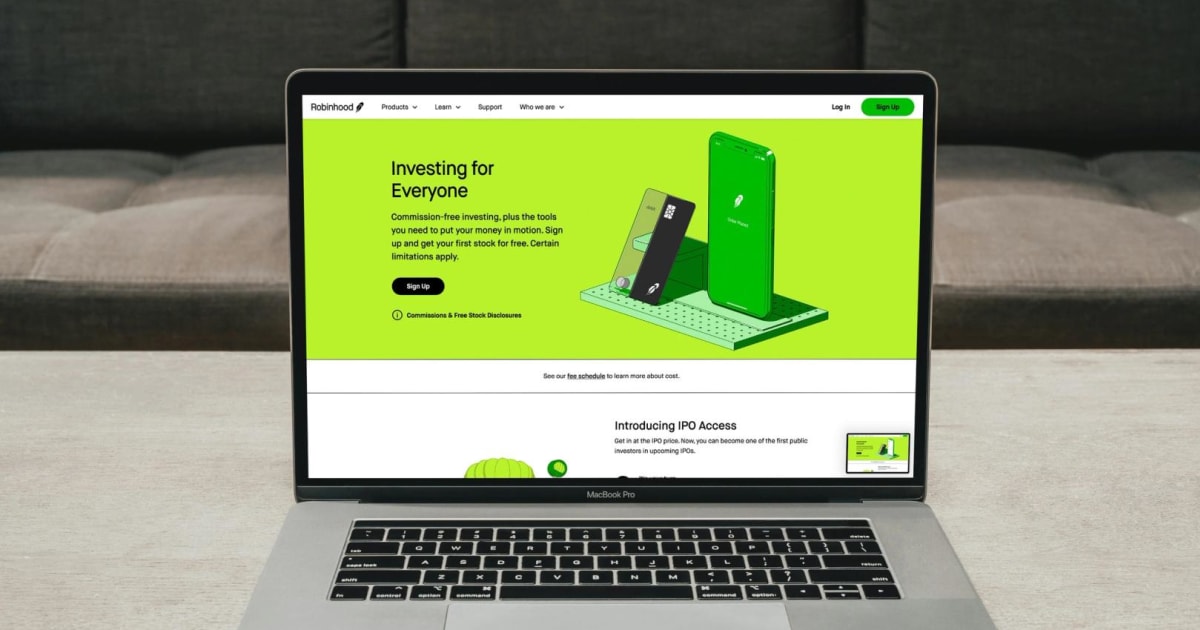
Robinhood's AI-powered automated trading marks a pivotal shift towards accessible algorithmic investing. While direct Indian market impact is nascent, it foreshadows significant disruption for traditional advisors, boosts AI/ML fintech, and demands vigilance from retail investors regarding amplified risk.
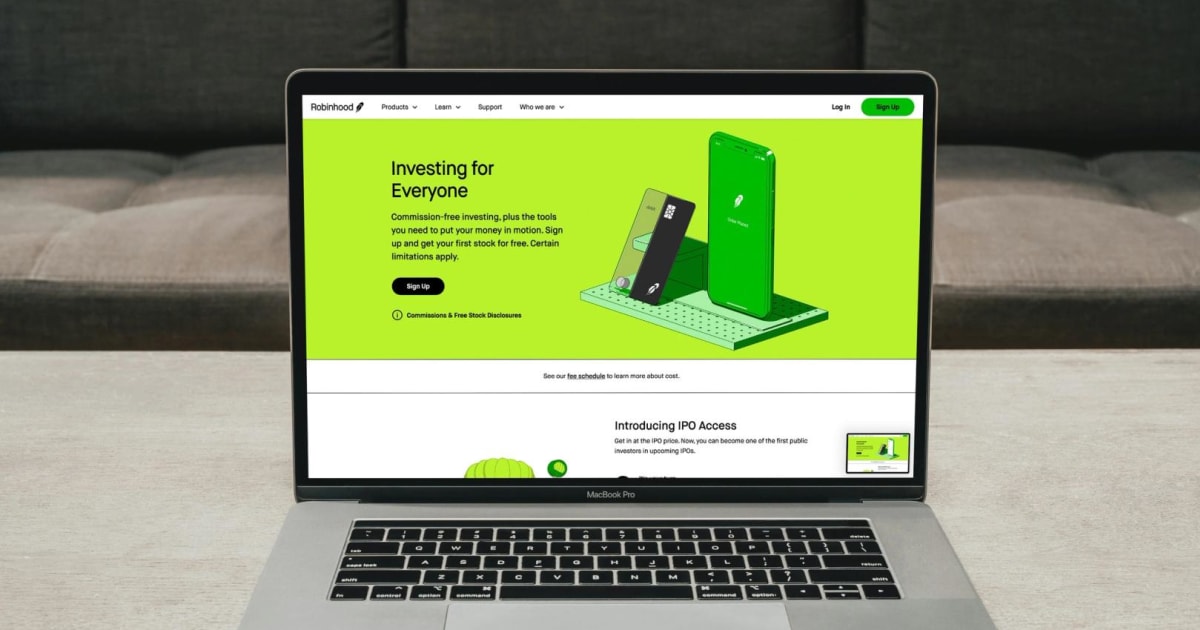
Robinhood's latest innovation – an AI-driven automated trading platform – is set to redefine retail investing, placing advanced algorithms directly into user hands, albeit with user-borne risk. This move, though US-centric, offers a critical lens through which to examine the burgeoning Indian fintech landscape. Our deep dive uncovers the potential ripple effects on NSE/BSE stocks, identifies key winners and losers, and provides an actionable playbook for savvy Indian investors navigating this transformative trend.
Robinhood's AI Leap: A Global Harbinger for Indian Fintech and NSE Stocks?
The financial world recently buzzed with news of Robinhood's foray into AI-powered automated trading, a development that, while originating in the U.S., carries profound implications for the global financial ecosystem, particularly in emerging markets like India. This isn't just another product launch; it signifies a definitive acceleration in the democratization of sophisticated trading technologies, pushing algorithmic strategies from institutional desks directly into the hands of retail investors. At WelthWest Research Desk, we view this as a critical inflection point, demanding a thorough examination of its potential ripple effects across the Indian stock market, its burgeoning fintech sector, and the evolving landscape for both investors and financial service providers.
Historically, automated trading, characterized by algorithms executing trades based on predefined rules, has been the domain of institutional players. High-frequency trading firms and hedge funds leveraged colossal computing power and proprietary models to gain an edge. Robinhood's move, however, makes this technology accessible to the everyday investor, albeit with an explicit caveat: the user bears the inherent risks. This shift isn't merely about convenience; it's about altering the very fabric of how retail money interacts with markets, potentially amplifying both returns and losses. The immediate impact on Indian markets may seem distant, yet the underlying technological and behavioral trends are undeniably global. Indian fintech platforms and brokerages are constantly observing international innovations, and it's only a matter of time before similar AI-driven offerings begin to emerge, reshaping trading volumes, demanding new skill sets, and presenting both immense opportunities and significant challenges.
How Will AI-Powered Trading Reshape India's Brokerage Landscape?
The introduction of accessible AI trading tools could fundamentally alter the competitive dynamics within India's brokerage sector. Traditional full-service brokers, reliant on human advisory and bespoke research, might find their value proposition challenged. Discount brokers, already competing on cost, could leverage AI to offer enhanced services without significant human capital expenditure, potentially widening their market share. The 'zero-brokerage' model, popularized by platforms like Zerodha, could evolve to 'zero-brokerage plus AI insights,' raising the bar for all participants.
Consider the historical parallel of online trading platforms. When they first emerged in the early 2000s, there was initial skepticism, but within a decade, they became the norm, significantly boosting retail participation and trading volumes. The Nifty 50's average daily turnover, which hovered around INR 5,000 crores in 2005, surged past INR 20,000 crores by 2015, partly fueled by this digital transformation. AI-driven trading could trigger a similar, if not more pronounced, acceleration. The demand for AI/ML talent within Indian financial services is already skyrocketing, with firms like HDFC Bank and ICICI Bank actively recruiting data scientists and machine learning engineers. This trend will only intensify, creating a talent war for specialized skills.
The core challenge for Indian brokerages will be to integrate AI responsibly, ensuring robust risk management frameworks and clear investor education. The Securities and Exchange Board of India (SEBI) has historically been proactive in regulating new market technologies, and it is highly probable that guidelines for AI-driven retail trading will emerge, focusing on transparency, suitability, and investor protection. Early adopters who navigate this regulatory landscape effectively while delivering genuine value will emerge as leaders.
Which Indian Stocks Stand to Gain or Lose from the AI Trading Wave?
The ripple effect of AI-powered automated trading extends beyond just brokerages, touching technology providers and even traditional financial institutions. Here's a breakdown of specific Indian stocks likely to be impacted:
- Zerodha (Unlisted, but significant market influence): As India's largest discount broker, Zerodha has consistently been at the forefront of technological innovation. While unlisted, its influence on the listed brokerage sector is immense. Should it integrate advanced AI tools, its already dominant position could be further cemented, pressuring listed peers. Its reported valuation of over $2 billion underscores its market heft.
- Angel One Ltd. (NSE: ANGELONE): With a market capitalization of approximately INR 27,000 crores and a TTM P/E ratio around 20x, Angel One is a prominent listed discount broker. Their strong focus on digital outreach and a growing client base (over 18 million as of Q4 FY24) positions them well to adopt AI tools. Investing in proprietary AI or partnering with AI tech firms could significantly boost their average daily turnover and client engagement, potentially driving revenue growth beyond the current 30% YoY seen in recent quarters.
- ICICI Securities Ltd. (NSE: ISEC): As a hybrid broker with a strong full-service offering and a growing digital presence, ICICI Securities (market cap ~INR 25,000 crores, P/E ~18x) faces both opportunity and challenge. Embracing AI could enhance their digital platform, retaining tech-savvy clients while augmenting their advisory services. However, a slow adoption could see them lose market share to nimbler discount brokers. Their robust research capabilities could be significantly enhanced by AI-driven insights.
- Tata Consultancy Services Ltd. (NSE: TCS): India's largest IT services firm (market cap ~INR 14.5 lakh crores, P/E ~32x) is a prime beneficiary of increased demand for AI/ML development and integration across the financial sector. As brokerages and fintechs seek to build or enhance their AI capabilities, TCS, with its vast talent pool and deep domain expertise in financial services, stands to secure lucrative contracts for developing, implementing, and maintaining these complex systems. This trend could add incremental revenue streams to its already diversified portfolio.
- Larsen & Toubro Infotech Ltd. (now LTIMindtree Ltd. - NSE: LTIM): Another significant IT services player (market cap ~INR 1.5 lakh crores, P/E ~40x) with a strong focus on financial services and digital transformation. LTIMindtree is actively investing in AI and cloud capabilities. As Indian financial institutions scramble to integrate AI into their offerings, LTIMindtree's specialized services in fintech solutions and digital engineering will be in high demand, offering a growth catalyst beyond traditional IT outsourcing.
- Coforge Ltd. (NSE: COFORGE): A mid-cap IT services firm (market cap ~INR 28,000 crores, P/E ~45x) with a niche focus on banking and financial services. Coforge's agility and specialized expertise make it a strong contender for partnerships with fintechs and smaller brokerages looking to rapidly deploy AI solutions. Its ability to offer bespoke, quick-turnaround solutions could see it capture a significant share of the AI implementation market within the Indian financial sector.
Expert Perspectives: Bulls vs. Bears on AI Trading's Indian Future
The advent of AI in retail trading evokes strong opinions from market veterans. Bulls argue that this is the inevitable evolution of financial markets, democratizing access to sophisticated strategies previously reserved for institutions. They contend that AI, by removing emotional biases, can lead to more disciplined and potentially superior trading outcomes. "The retail investor in India, armed with AI tools, gains a significant edge," argues a prominent Mumbai-based fintech venture capitalist. "It levels the playing field, making markets more efficient and accessible, driving increased participation and ultimately deepening capital markets. We could see retail trading volumes on the NSE surge by 50% over the next three years if adoption rates mirror global trends." This bullish outlook often points to the potential for AI to personalize investment advice and offer hyper-customized portfolios, moving beyond generic mutual fund recommendations.
Conversely, bears raise significant concerns, primarily centered around amplified risk for unsophisticated investors. They highlight the 'user-borne risk' clause as a critical red flag. "Putting complex AI algorithms in the hands of retail investors without robust financial literacy and understanding of underlying models is a recipe for disaster," warns a veteran SEBI official (speaking off the record). "The 'black box' nature of some AI systems means investors might not comprehend why a trade was executed, or the true extent of potential losses during volatile periods." Bears also point to the potential for market manipulation or systemic risks if a large number of retail accounts follow similar AI-driven strategies, creating 'flash crashes' or exacerbating market movements. The last time a technology-driven frenzy gripped the market, during the 2021 meme stock phenomenon, it led to significant retail losses globally, a cautionary tale that bears frequently invoke.
Actionable Investor Playbook: Navigating the AI Trading Revolution
For the discerning Indian investor, the AI trading revolution presents both pitfalls and unparalleled opportunities. Here's a concrete playbook:
- Buy & Hold (Long-term, 3-5 years): Consider accumulating shares in leading Indian IT services companies with strong financial services verticals like TCS (NSE: TCS) and LTIMindtree (NSE: LTIM). These firms are the picks and shovels providers of the AI gold rush, benefiting from increased demand for AI/ML development, integration, and maintenance from brokerages and financial institutions. Look for entry points during market corrections; their long-term growth trajectory is tied to global digital transformation.
- Watch & Accumulate (Medium-term, 1-3 years): Keep a close eye on agile, tech-focused brokerage firms like Angel One (NSE: ANGELONE). Monitor their announcements regarding AI integration, client acquisition rates, and average daily turnover. A clear strategy for deploying AI responsibly and effectively could be a significant re-rating catalyst. Consider accumulating on dips, especially if they demonstrate strong execution on their AI strategy.
- Monitor Closely (Short-term, 6-12 months): Track mid-cap IT services players like Coforge (NSE: COFORGE). Their smaller size allows for quicker adaptation and potential for higher growth if they secure significant AI-related contracts within the fintech space. However, their valuations can be more volatile, warranting a cautious approach.
- Avoid or Exercise Extreme Caution: Traditional financial advisory firms that show no clear strategy for integrating technology or augmenting their services with AI. Their business model could face significant erosion as retail investors gain access to automated solutions. Similarly, any brokerage that fails to adapt quickly to AI-driven trends risks obsolescence.
- Time Horizon: The full impact of AI in retail trading will unfold over several years. A long-term investment horizon (3-5 years) is advisable for capitalizing on the structural shift in demand for AI services. For brokerage plays, a medium-term view (1-3 years) can capture early adoption benefits.
Risk Matrix: Understanding the Perils of AI-Driven Trading
While the promise of AI in trading is compelling, the risks, particularly for retail investors, are substantial and demand careful consideration.
- Significant Retail Investor Losses (Probability: High): The primary risk. Without proper understanding of algorithms, risk parameters, and market dynamics, retail investors could suffer substantial capital erosion. AI models are only as good as their data and programming; they are not infallible and can perform poorly in unprecedented market conditions. The psychological aspect of 'trusting the machine' can lead to complacency and delayed reactions to adverse outcomes.
- Regulatory Scrutiny & Intervention (Probability: Medium-High): As AI trading gains traction, regulatory bodies like SEBI are almost certain to introduce stringent guidelines. These could include mandatory disclosures, suitability tests for AI products, circuit breakers for automated systems, or even restrictions on certain types of AI-driven strategies for retail. Such interventions, while beneficial for long-term market stability, could temporarily dampen growth for AI-powered platforms.
- Systemic Market Instability (Probability: Medium): If a large number of AI-driven retail accounts utilize similar strategies, this could lead to 'herding' behavior, exacerbating market volatility during periods of stress. A collective, automated sell-off could trigger flash crashes, as seen in the past (e.g., the 2010 Flash Crash, though primarily institutional, highlights the potential). This risk increases with wider adoption and interconnectedness of AI systems.
- Cybersecurity Vulnerabilities (Probability: Medium): AI trading platforms, being highly automated and data-intensive, present attractive targets for cyberattacks. Breaches could lead to unauthorized trades, data theft, or system manipulation, eroding investor trust and causing significant financial damage. The complexity of these systems makes them challenging to secure completely.
What to Watch Next: Catalysts and Data Points
The evolution of AI in retail trading will be driven by several key factors:
- SEBI's Stance on AI Trading: Any public statements, discussion papers, or draft regulations from SEBI regarding AI-driven retail trading will be a major catalyst. Specific dates for consultations or new policy announcements should be closely monitored. Clear regulatory frameworks will provide certainty and accelerate adoption.
- Indian Fintech AI Product Launches: Keep an eye on major Indian fintech players and brokerages for announcements of their own AI-powered trading or advisory tools. The feature sets, pricing models, and risk disclosures of these initial offerings will set the tone for the domestic market. Watch for quarterly earnings calls of listed brokers for management commentary on AI investments.
- Global Adoption Rates & Performance: Data from international markets, particularly the U.S., on the adoption rates, trading volumes, and performance (both positive and negative) of AI-driven retail platforms will serve as a bellwether for India. Significant losses or successes abroad will influence both investor sentiment and regulatory approaches domestically.
- AI/ML Talent Acquisition Trends: Monitor hiring trends and salary benchmarks for AI/ML engineers and data scientists within the Indian financial services sector. A sustained surge in demand indicates robust investment and development in this space, signaling future product launches and deeper integration of AI.
- Technology Partnerships: Watch for strategic partnerships between Indian brokerages/fintechs and global AI technology providers. Such collaborations can accelerate the deployment of sophisticated AI capabilities, bypassing lengthy in-house development cycles.
The Robinhood announcement is more than just news; it's a strategic tremor in the foundations of retail finance. For Indian investors, understanding these shifts is not merely academic; it's essential for portfolio resilience and capitalizing on the next wave of market innovation.
Run a free AI Stock Screen
Our algorithmic screener scores any NSE/BSE stock on fundamentals, momentum, and risk — free to try, no card needed.
Try the AI Screener →Have questions about this story?
Ask Welth, our finance-focused AI research assistant, for a deeper breakdown — free trial included.
Chat with Welth AI →Disclaimer: This content is generated by WelthWest Research Desk based on publicly available reports and is for informational purposes only. It does not constitute financial advice, investment recommendations, or an offer to buy or sell securities. Always consult a qualified financial advisor before making investment decisions.