Key Takeaway
The weaponization of Russian refining capacity marks a shift from geopolitical posturing to supply-chain disruption. For Indian investors, this creates a 'scissors effect': margin compression for OMCs and inflationary headwinds for the broader Nifty 50.
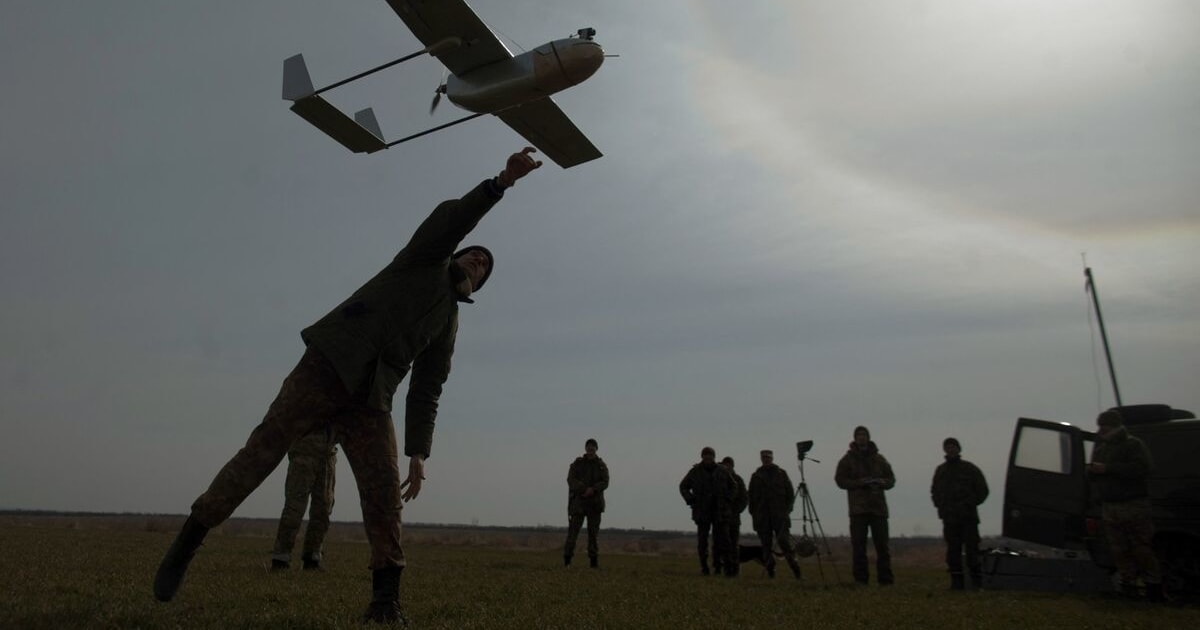
Recent drone strikes on Russian energy infrastructure have sent shockwaves through global commodity markets. We analyze the cascading effects on India’s import-heavy economy, the specific impact on OMCs like BPCL and HPCL, and the strategic opportunities emerging in the upstream oil and defense sectors.
The New Geopolitical Risk Premium: Why Russian Refineries Matter
The recent escalation in drone warfare targeting Russian energy infrastructure is not merely a tactical maneuver in the Russia-Ukraine conflict; it is a structural shift in global energy security. For years, the market treated Russian oil supply as a constant, despite sanctions. The direct targeting of refining capacity—the 'midstream' bottleneck—is a different beast. When refineries are hit, the global market doesn't just lose crude; it loses finished product, which is significantly harder to replace.
Why does this matter now? Because global spare capacity is at a multi-year low. When supply chains tighten, the Brent crude risk premium expands instantly. For India, which imports over 85% of its crude oil requirements, this is a fiscal nightmare. Every $10 increase in the price of a barrel of oil widens the current account deficit (CAD) and exerts downward pressure on the Rupee, creating a classic macroeconomic headwind.
How Will the Surge in Brent Crude Impact Indian Oil Marketing Companies (OMCs)?
The impact on Indian OMCs—BPCL (NSE: BPCL), HPCL (NSE: HPCL), and IOC (NSE: IOC)—is immediate and binary. Historically, OMCs have operated on a 'cushion' where retail fuel prices are kept stable even when international prices spike. When crude prices surge due to geopolitical instability, these companies face a severe margin squeeze. During the 2022 energy crisis, we saw the Nifty Oil & Gas index shed nearly 15% in a single quarter as marketing margins turned negative.
Investors should look at the 'Under-Recovery' metrics. If Brent sustains levels above $90/bbl, the government may be forced to intervene, but the immediate impact is a sharp contraction in EBITDA per liter for these firms. With P/E ratios for BPCL and HPCL hovering in the 6x-9x range, the market is already pricing in a 'mean reversion' in profitability if crude prices remain elevated.
The Upstream Hedge: Why ONGC and OIL are Defensive Plays
While OMCs suffer, upstream producers like ONGC (NSE: ONGC) and Oil India (NSE: OIL) become the primary beneficiaries. These companies realize higher net price realizations on their crude sales. ONGC, with its massive market cap and stable dividend yield, acts as a natural hedge in an inflationary environment. Investors typically rotate out of downstream OMCs into upstream producers during periods of supply-side shock to capture the 'windfall' gain potential.
Sector-Level Breakdown: Winners and Losers
- Aviation (InterGlobe Aviation - NSE: INDIGO): Aviation Turbine Fuel (ATF) accounts for nearly 40% of airline operating costs. A spike in oil prices directly hits the bottom line of Indigo, which has limited ability to pass on costs in a price-sensitive Indian market.
- Specialty Chemicals & Paints (Asian Paints - NSE: ASIANPAINT): Crude oil is a core feedstock for solvent-based paints and chemical derivatives. Margin pressure is inevitable as input costs rise, often leading to a P/E multiple contraction for these high-valuation stocks.
- Global Defense Contractors: As geopolitical tensions rise, defense spending becomes non-negotiable. Companies like Bharat Electronics (NSE: BEL) and Hindustan Aeronautics (NSE: HAL) are seeing increased order books as nations prioritize domestic security and drone-defense capabilities.
Expert Perspective: Bulls vs. Bears
The Bear Case: Bears argue that this is a systemic shock. If Russian refineries stay offline, we could see a 'super-spike' in oil prices, leading to sustained inflation, RBI rate hikes, and a liquidity drain from emerging markets. In this scenario, the Nifty 50 faces a 5-8% correction as foreign institutional investors (FIIs) pull capital out of India.
The Bull Case: Bulls point to the 'Energy Efficiency' narrative. They argue that India’s strategic stockpiles and diversified sourcing (including Russian Urals) protect it from the worst of the volatility. They view the dip in OMC stocks as a potential entry point, betting that the government will implement excise duty cuts to prevent retail inflation, effectively socializing the cost of the crisis.
Actionable Investor Playbook
1. Trim Exposure to OMCs: If you are overweight on BPCL or IOC, consider rebalancing. The risk-to-reward ratio is unfavorable until crude prices stabilize below $80/bbl.
2. Rotate into Upstream: Increase allocations to ONGC. Their cash-flow generation remains robust even when the broader market is rattled by energy inflation.
3. Watch the Rupee: The USD/INR pair is your leading indicator. If the Rupee weakens past 84.00, it is a signal to reduce exposure to import-heavy sectors like Aviation and Specialty Chemicals.
Risk Matrix
| Risk Factor | Probability | Impact |
|---|---|---|
| Sustained Brent Spike (> $100/bbl) | Medium | High |
| Government Fuel Tax Intervention | High | Medium |
| Escalation to Baltic Sea Oil Transit | Low | Critical |
What to Watch Next
Keep a close eye on the upcoming OPEC+ production meeting. Any signal of production increases to offset the Russian supply deficit will be the primary catalyst for a market reversal. Additionally, monitor the RBI Monetary Policy Committee (MPC) minutes; any hawkish shift in tone regarding imported inflation will be a signal to tighten defensive positions in your portfolio.
See ONGC's AI Score
Our algorithmic screener scores ONGC on fundamentals, momentum, and risk — free to try, no card needed.
Try the AI Screener →Have questions about this story?
Ask Welth, our finance-focused AI research assistant, for a deeper breakdown — free trial included.
Chat with Welth AI →Disclaimer: This content is generated by WelthWest Research Desk based on publicly available reports and is for informational purposes only. It does not constitute financial advice, investment recommendations, or an offer to buy or sell securities. Always consult a qualified financial advisor before making investment decisions.
