Key Takeaway
The resolution of Samsung's labor dispute removes a critical 'black swan' risk for global memory pricing. For Indian investors, this stabilizes input costs for domestic electronics manufacturers, signaling a bullish outlook for hardware-centric equities.
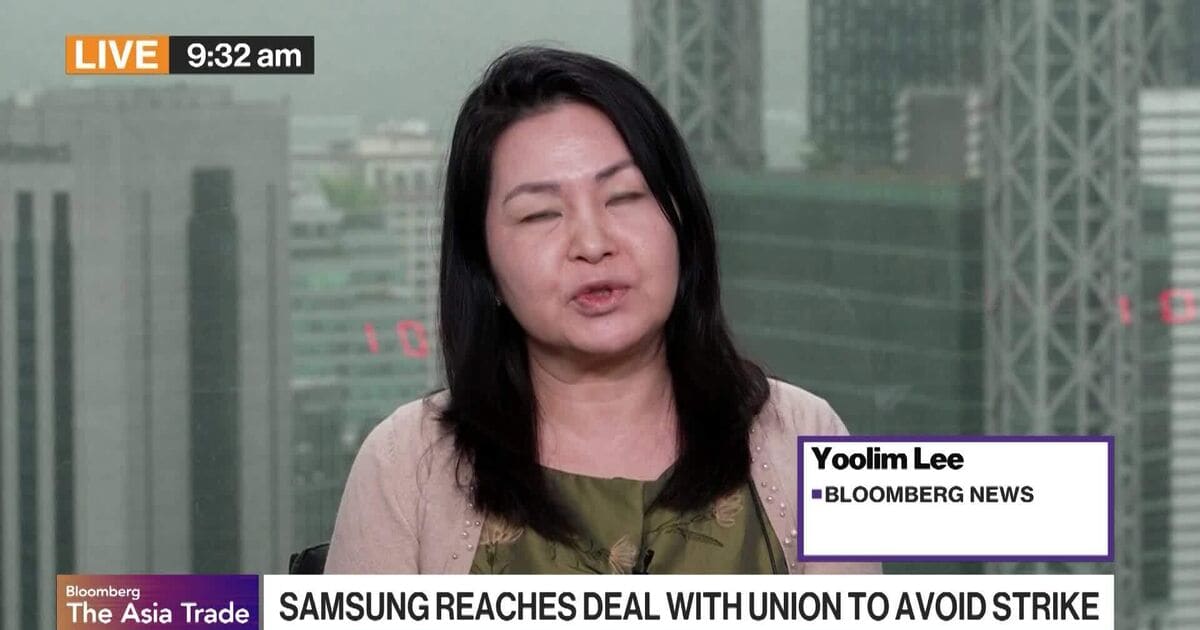
Samsung Electronics has reached a tentative agreement with its union, narrowly avoiding a strike that threatened to paralyze global memory production. This development provides much-needed stability for the semiconductor supply chain. We analyze the ripple effects on Indian manufacturing giants and the broader IT hardware ecosystem.
The Semiconductor Stability Play: Why the Samsung Deal Matters
In an era where the global semiconductor supply chain is as fragile as the silicon wafers it produces, the averted strike at Samsung Electronics is more than just a local labor dispute—it is a macroeconomic stabilizer. As the world’s largest producer of DRAM and a dominant force in NAND flash, Samsung’s operational continuity is a prerequisite for global tech pricing stability. When the world’s largest memory maker sneezes, the global electronics industry catches a cold, and for the Indian market, this translates into immediate volatility in input costs for consumer electronics and IT hardware.
By securing a tentative agreement with the National Samsung Electronics Union (NSEU), the company has effectively averted a supply-side shock that would have undoubtedly triggered price spikes in memory components. For Indian firms operating on thin margins, this is a significant relief, ensuring that the 'Made in India' electronics push remains shielded from external inflationary pressures.
How does the Samsung labor deal affect Indian electronics manufacturing?
The correlation between global semiconductor output and the Indian electronics manufacturing services (EMS) sector is tighter than most retail investors realize. Indian firms like Dixon Technologies and Amber Enterprises rely heavily on imported memory modules and integrated circuits. Any disruption in Samsung’s supply chain acts as a tax on these companies, forcing them to either absorb higher component costs or pass them on to consumers, thereby dampening demand.
Historically, when global supply chains face bottlenecks—similar to the 2022 chip shortage that saw the Nifty IT index correct by over 15% in a single quarter—Indian hardware manufacturers suffer from inventory bloat and margin compression. The resolution of this uncertainty provides a clear runway for these firms to manage their inventory cycles more efficiently, improving their EBITDA margins in the upcoming Q3 and Q4 cycles.
Stock-by-Stock Breakdown: Winners and Navigators
- Dixon Technologies (NSE: DIXON): As a leading EMS player, Dixon benefits directly from price stability in memory components. With a P/E ratio currently hovering near 120x, the market has priced in high growth; supply chain stability is the only way to justify these valuations.
- Amber Enterprises (NSE: AMBER): Amber’s diversification into electronics components makes it highly sensitive to semiconductor pricing. A stable supply environment allows for better operational leverage in their HVAC and electronics segments.
- HCL Technologies (NSE: HCLTECH): While primarily a software giant, HCL’s hardware and engineering services division benefits when the broader hardware ecosystem remains healthy. Reduced component costs keep their clients' R&D budgets intact.
- Tata Electronics: As a nascent but aggressive player in the semiconductor assembly and testing (OSAT) space, Tata’s long-term strategy depends on a predictable global pricing environment for silicon. Reduced volatility helps them benchmark their entry pricing against global peers.
Expert Perspective: The Bull vs. Bear Case
The Bull Argument: Bulls argue that this deal marks the end of a period of labor unrest, allowing Samsung to focus on its high-bandwidth memory (HBM) production—the engine of the current AI boom. For Indian stocks, this means consistent supply, lower inflation risk, and an improved outlook for domestic manufacturing margins.
The Bear Argument: Skeptics, however, point to the 'tentative' nature of the deal. If the union membership rejects the final ratification, the strike threat returns with greater intensity. Furthermore, bears argue that global demand for consumer electronics is cooling, and even with a stable supply, Indian firms may struggle to see topline growth if domestic demand remains sluggish.
Actionable Investor Playbook
For investors looking to capitalize on this development, a cautious but optimistic approach is recommended:
- Accumulate on Dips: Focus on EMS leaders like Dixon Technologies. Use the current price action to build positions if the stock retraces toward its 50-day moving average.
- Monitor Inventory Data: Keep a close watch on the 'inventory turnover ratio' in the upcoming quarterly results of hardware firms. If this ratio improves, it confirms that supply chain stability is translating into better cash flow.
- Time Horizon: This is a medium-term play (6-12 months). Investors should align their entry with the next 2 quarters of earnings, which will reflect the full impact of stable input costs.
Risk Matrix
| Risk Factor | Probability | Impact |
|---|---|---|
| Union Ratification Failure | Medium | High |
| Global Memory Demand Slump | Low | Medium |
| Geopolitical Trade Barriers | Medium | High |
What to Watch Next
The immediate catalyst to watch is the official announcement of the union vote results. Beyond that, investors should track the Global Semiconductor Sales Report published by the Semiconductor Industry Association (SIA). Any sustained increase in global shipments, coupled with the stabilization of memory pricing, will serve as a confirmation that the 'Samsung factor' has been successfully mitigated, paving the way for a potential rerating of Indian electronics manufacturing stocks.
See Dixon Technologies's AI Score
Our algorithmic screener scores Dixon Technologies on fundamentals, momentum, and risk — free to try, no card needed.
Try the AI Screener →Have questions about this story?
Ask Welth, our finance-focused AI research assistant, for a deeper breakdown — free trial included.
Chat with Welth AI →Disclaimer: This content is generated by WelthWest Research Desk based on publicly available reports and is for informational purposes only. It does not constitute financial advice, investment recommendations, or an offer to buy or sell securities. Always consult a qualified financial advisor before making investment decisions.
