Key Takeaway
SEBI's latest regulatory easing for FPIs in Indian government bonds, coupled with RBI's earlier moves, is a powerful magnet for foreign capital. Expect a stronger rupee, lower government borrowing costs, and a potential re-rating for public sector banks as liquidity improves and demand for G-Secs rises.
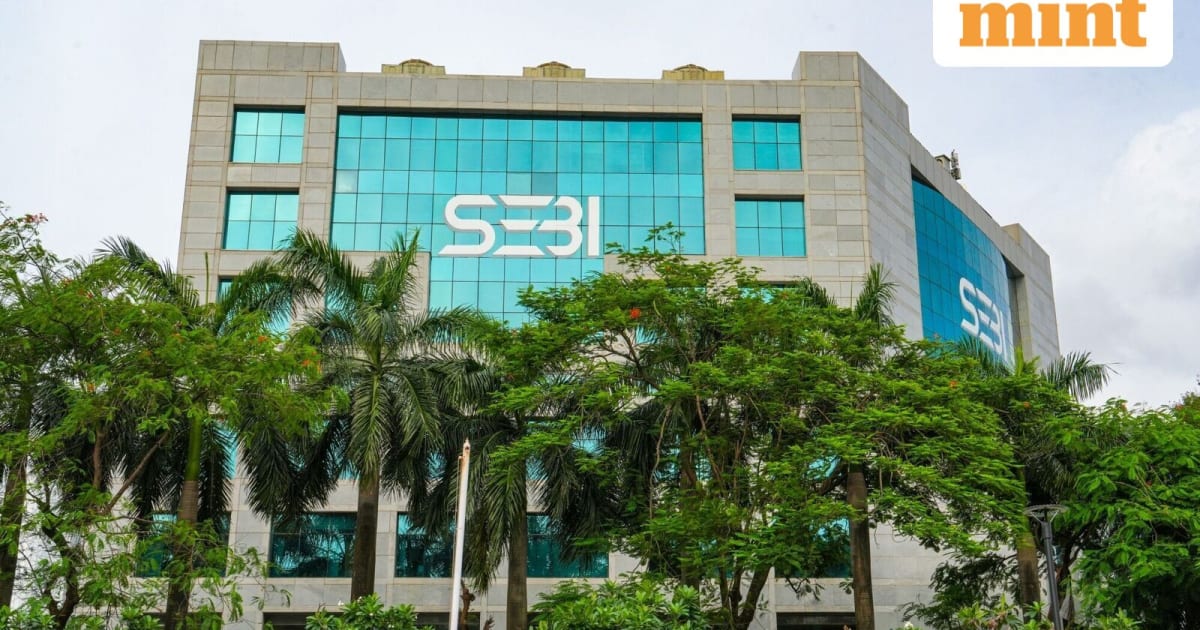
India's financial regulators are strategically aligning to attract a new wave of foreign investment into government securities. SEBI's recent move to simplify compliance for FPIs focused solely on G-Secs, building on the RBI's withdrawal of concentration limits, signals a concerted effort to deepen the bond market. This deep dive by WelthWest Research Desk explores the multi-faceted implications for the Indian Rupee, bond yields, and key banking stocks, offering an actionable playbook for savvy investors.
SEBI's Strategic Move: Unlocking Foreign Capital for India's Bond Market
The Indian financial landscape is undergoing a subtle yet profound transformation, spearheaded by recent regulatory adjustments designed to court global capital. The Securities and Exchange Board of India (SEBI) has announced a significant easing of compliance requirements for Foreign Portfolio Investors (FPIs) who choose to invest exclusively in Indian government bonds (G-Secs). This isn't merely a procedural tweak; it's a strategic pivot, complementing the Reserve Bank of India's (RBI) earlier withdrawal of concentration limits for FPI holdings in G-Secs. Together, these measures form a potent cocktail aimed at injecting unprecedented foreign liquidity into India's sovereign debt market, with far-reaching implications for the Indian Rupee, bond yields, and the broader equity market, particularly banking stocks.
The timing of this regulatory benevolence is crucial. In an era of global economic uncertainty and fluctuating interest rate differentials, India is positioning itself as an attractive destination for yield-seeking international investors. By reducing the bureaucratic friction for G-Sec-only FPIs, SEBI is effectively rolling out a red carpet, signaling a long-term commitment to financial market liberalization. This move is expected to unlock a fresh wave of foreign capital, potentially strengthening the rupee, compressing government borrowing costs, and freeing up domestic capital that can then be channeled into private sector growth, thereby fueling overall economic expansion.
Why Does Easing FPI G-Sec Compliance Matter Now?
The significance of SEBI's decision extends beyond administrative simplification. Historically, FPIs have navigated a complex web of regulations, which often deterred smaller or more specialized funds from entering the Indian G-Sec market. The new streamlined framework creates a distinct, less onerous pathway for funds with a singular focus on sovereign debt. This not only broadens the pool of potential investors but also signals a maturing regulatory environment that is responsive to global best practices.
Consider the context: India's inclusion in global bond indices like the JP Morgan Government Bond Index - Emerging Markets (GBI-EM) is on the horizon, slated for June 2024. While the SEBI move isn't directly tied to this, it certainly enhances India's attractiveness ahead of this significant event. Increased FPI participation, especially in the G-Sec segment, is a prerequisite for a smooth and impactful index inclusion. The combined effect of RBI's removal of concentration limits and SEBI's compliance easing paves the way for a more robust and liquid G-Sec market, a critical factor for attracting sticky, long-term foreign capital rather than hot money.
Deep Market Impact Analysis: A Catalyst for Rupee and Bond Market Dynamics
The immediate and profound impact of these regulatory changes will likely be felt across multiple segments of the Indian financial market. The most direct beneficiary is the Indian government itself. By attracting more FPIs into G-Secs, the demand for sovereign debt will increase, pushing down bond yields. A 10-basis point reduction in the 10-year G-Sec yield can translate into substantial savings on the government's annual interest payments, potentially freeing up billions for public expenditure or deficit reduction. For instance, with India's current central government debt standing at over INR 150 trillion, even a modest 10 bps drop in average borrowing costs could save the exchequer hundreds of crores annually.
The Indian Rupee (INR) is also poised for appreciation. Increased FPI inflows into G-Secs necessitate conversion of foreign currency into INR, thereby strengthening the local currency. While the exact quantum of appreciation is difficult to predict, a sustained inflow could see the INR test stronger levels against the USD, potentially moving towards the 82-82.50 range from its current levels around 83.50. This rupee strengthening would also have a positive impact on import-dependent sectors by reducing their input costs, and could act as a disinflationary force.
Historically, significant FPI inflows have correlated with periods of rupee strength. For example, during the 2017-2018 period, when FPIs poured over $20 billion into Indian debt and equity, the rupee appreciated by over 6% against the USD. While global macro factors are always at play, a clear regulatory tailwind of this magnitude provides a strong fundamental basis for rupee optimism.
How Will Increased FPI Demand Affect Indian Bond Yields and Liquidity?
The bond market, specifically the G-Sec segment, will experience heightened liquidity and demand. This can lead to a compression of yields across the curve, making it cheaper for the government to borrow. For domestic bond investors, this might mean slightly lower returns on new G-Sec purchases, but the overall market depth and stability will improve. The increased foreign participation also diversifies the investor base, reducing the reliance on domestic institutions like banks and insurance companies, which can then allocate more capital to private sector credit.
This 'crowding in' effect is crucial. When banks are less compelled to absorb large quantities of government bonds, they have greater capacity and incentive to lend to corporations and individuals. This improved liquidity and credit availability can stimulate private investment, a key driver for India's long-term economic growth. The bond market's improved depth and liquidity also make it more attractive for further internationalization, creating a virtuous cycle.
Stock-by-Stock Breakdown: Banking Sector poised for Re-rating
The banking sector, particularly public sector banks (PSBs), stands to gain significantly from these developments. Banks are major holders of G-Secs in their investment portfolios. As bond yields compress due to increased FPI demand, the mark-to-market (MTM) gains on their existing G-Sec holdings will improve their profitability and capital ratios. Additionally, with reduced pressure to absorb government debt, banks can re-orient their balance sheets towards higher-yielding advances, boosting net interest margins (NIMs) over the medium term.
- State Bank of India (NSE: SBIN): As India's largest public sector bank, SBI holds a massive G-Sec portfolio. A 10-basis point drop in bond yields could translate into hundreds of crores in MTM gains for SBI, directly impacting its quarterly earnings. With a market capitalization exceeding INR 7.5 trillion and a P/E ratio around 12x, SBI is a prime beneficiary of improving bond market dynamics and enhanced liquidity. Its robust retail and corporate lending franchises will benefit from any 'crowding in' of private credit.
- HDFC Bank (NSE: HDFCBANK): While primarily a private sector lender, HDFC Bank also manages a substantial G-Sec book. The overall improvement in market liquidity and sentiment, coupled with potential rupee strength, benefits HDFC Bank by lowering funding costs and enhancing its ability to raise capital. Its strong liability franchise makes it resilient, and any broader economic tailwinds from reduced government borrowing costs will flow through to its credit growth. With a market cap of over INR 12 trillion and a P/E around 19x, HDFC Bank's quality and stability make it a solid indirect beneficiary.
- ICICI Bank (NSE: ICICIBANK): Similar to HDFC Bank, ICICI Bank, with its strong corporate and retail segments, will benefit from improved market sentiment and liquidity. Reduced government borrowing costs could free up capital for private sector credit, a segment where ICICI Bank has been aggressively expanding. Its asset quality has also seen significant improvements, positioning it well to capitalize on increased lending opportunities. ICICI Bank's market cap is close to INR 8 trillion, trading at a P/E of approximately 16x.
- Axis Bank (NSE: AXISBANK): Another major private sector bank, Axis Bank is in a growth phase, focusing on expanding its retail loan book. A more liquid and stable G-Sec market, coupled with potential rupee appreciation, creates a favorable environment for borrowing and lending. The bank's improving asset quality and digital initiatives will be amplified by the broader positive sentiment in the financial markets. Axis Bank has a market cap of over INR 3.5 trillion and a P/E of about 15x.
Beyond these direct beneficiaries, other financial institutions like NBFCs and even some infrastructure companies could see an indirect positive impact. Lower benchmark borrowing costs mean cheaper funds for these entities, potentially boosting their project viability and profitability. The improved liquidity also translates to a more stable funding environment.
Expert Perspective: Bulls vs. Bears on FPI Inflows
The Bull Case: Proponents of this regulatory easing argue that it's a game-changer for India's financial markets. "This is not just about attracting more FPIs; it's about making India a more predictable and accessible market for global bond investors," states a Mumbai-based fixed income strategist. "The combined effect of RBI's removal of concentration limits and SEBI's compliance easing sends a clear message: India wants deep, liquid, and foreign-participated G-Sec markets. This will support the rupee, lower the fiscal burden, and ultimately drive domestic credit growth." They foresee sustained FPI inflows, particularly as global bond indices include India, leading to a structural re-rating of Indian sovereign debt and, by extension, Indian equities.
The Bear Case: Sceptics, however, caution against over-optimism. While acknowledging the positive intent, they highlight the sensitivity of FPI flows to global macroeconomic conditions. "While the regulatory framework is improving, the actual quantum of inflows will ultimately hinge on global interest rate differentials and India's relative attractiveness," argues a veteran fund manager. "If the US Federal Reserve maintains a hawkish stance for longer, or if global risk aversion spikes, even simplified compliance won't prevent outflows. Furthermore, a sudden influx of foreign capital could create its own challenges, such as managing currency volatility and potential asset bubbles." They also point out that domestic demand for G-Secs, especially from banks, remains strong, and FPI flows might only incrementally impact yields in the near term.
Actionable Investor Playbook: Navigating the New Landscape
For discerning investors, SEBI's latest move presents a compelling opportunity, but strategy is key.
- Buy/Accumulate:
- Public Sector Banks (PSBs): Focus on large-cap PSBs like SBI (NSE: SBIN). These banks have substantial G-Sec portfolios and will benefit directly from yield compression and improved liquidity. Look for entry points on any market corrections.
- Select Private Banks: Quality private banks like ICICI Bank (NSE: ICICIBANK) and Axis Bank (NSE: AXISBANK) will benefit from the 'crowding in' effect, leading to higher credit growth opportunities and improved NIMs over the medium term.
- Rupee-Sensitive Sectors: Companies with significant import dependencies or unhedged foreign currency liabilities may benefit from a stronger rupee, though this effect is often nuanced and requires deeper analysis of individual company financials.
- Watch/Hold:
- Fixed Income ETFs/Mutual Funds: Existing holders of G-Sec focused debt funds might see some capital appreciation due to yield compression. However, new investments should be cautious of potential further yield compression limiting future returns.
- Large-Cap Index Funds: The broader Nifty 50 and Sensex indices will benefit from improved market sentiment and potentially lower funding costs for corporations, but the impact will be diffused.
- Consider Selling/Reducing Exposure:
- No direct 'sell' candidates emerge from this specific development. However, investors holding high-yield, lower-quality corporate bonds might find their relative attractiveness diminished if G-Sec yields fall significantly, prompting a re-evaluation of risk-reward.
Time Horizons: This is primarily a medium to long-term positive catalyst (6-24 months). While immediate market reactions can occur, the full benefits of increased FPI participation in G-Secs, including structural rupee strength and sustained lower borrowing costs, will unfold over several quarters.
Entry Points: For banking stocks, any market corrections or dips offer attractive entry points, especially given their robust earnings growth and improving asset quality. For G-Secs, waiting for clarity on the quantum of FPI inflows and global interest rate trajectory would be prudent before making significant fresh allocations.
Risk Matrix: Navigating Potential Headwinds
While the sentiment surrounding SEBI's move is overwhelmingly bullish, investors must remain cognizant of potential risks that could temper the expected positive outcomes.
- Global Interest Rate Reversal (Probability: Medium): A hawkish pivot by major central banks, particularly the US Federal Reserve, leading to higher global interest rates, could reduce the attractiveness of Indian G-Secs, despite regulatory easing. This could lead to lower-than-expected FPI inflows or even outflows.
- Sudden Reversal in Global Risk Sentiment (Probability: Medium): Geopolitical tensions, a global economic slowdown, or a major financial crisis could trigger a flight to safety, causing FPIs to pull capital from emerging markets, including India.
- Domestic Macroeconomic Instability (Probability: Low-Medium): While India's macroeconomic fundamentals are currently robust, any unexpected domestic challenges such as high inflation, fiscal slippages, or political instability could deter foreign investors, irrespective of simplified compliance.
- Limited Quantum of Inflows (Probability: Low): While the intent is clear, the actual volume of FPI inflows into G-Secs might be less than anticipated if global investors remain cautious or find better opportunities elsewhere. This would dilute the positive impact on yields and the rupee.
What to Watch Next: Catalysts and Data Points
The story of India's bond market internationalization is far from over. Several key events and data releases will provide crucial insights into the effectiveness of SEBI's and RBI's measures:
- FPI Debt Inflow Data (Monthly): Monitor monthly FPI investment data, specifically focusing on debt inflows. A sustained uptick in G-Sec investments will be a strong indicator of success.
- India's Inclusion in JP Morgan GBI-EM Index (June 2024): This will be a major catalyst, as passive funds tracking the index will be mandated to invest in Indian G-Secs, leading to significant inflows. The period leading up to and immediately following this event will be critical.
- RBI Monetary Policy Meetings: Statements from the RBI on liquidity management, foreign exchange interventions, and their outlook on FPI flows will provide guidance.
- Government Borrowing Calendar and Fiscal Deficit Data: The government's borrowing program and its ability to manage the fiscal deficit will influence the supply-demand dynamics in the G-Sec market.
- Global Interest Rate Trajectory: Speeches and decisions from the US Federal Reserve and other major central banks will continue to dictate global risk appetite and capital flows into emerging markets.
WelthWest Research Desk believes that SEBI's latest regulatory amendment is a well-timed and strategically significant move. It underscores India's commitment to integrating its financial markets with the global economy, promising a more vibrant, liquid, and attractive bond market. Investors who understand these underlying shifts and position themselves accordingly stand to gain significantly from India's ongoing financial market evolution.
See SBI's AI Score
Our algorithmic screener scores SBI on fundamentals, momentum, and risk — free to try, no card needed.
Try the AI Screener →Have questions about this story?
Ask Welth, our finance-focused AI research assistant, for a deeper breakdown — free trial included.
Chat with Welth AI →Disclaimer: This content is generated by WelthWest Research Desk based on publicly available reports and is for informational purposes only. It does not constitute financial advice, investment recommendations, or an offer to buy or sell securities. Always consult a qualified financial advisor before making investment decisions.