Key Takeaway
The US SEC's nuanced clarification on crypto custody for RIAs signals a maturing regulatory landscape, indirectly legitimizing digital assets globally. This shift could catalyze a multi-trillion-dollar institutional inflow into crypto, with ripple effects poised to benefit innovative Indian tech and financial service providers poised for the digital asset revolution.
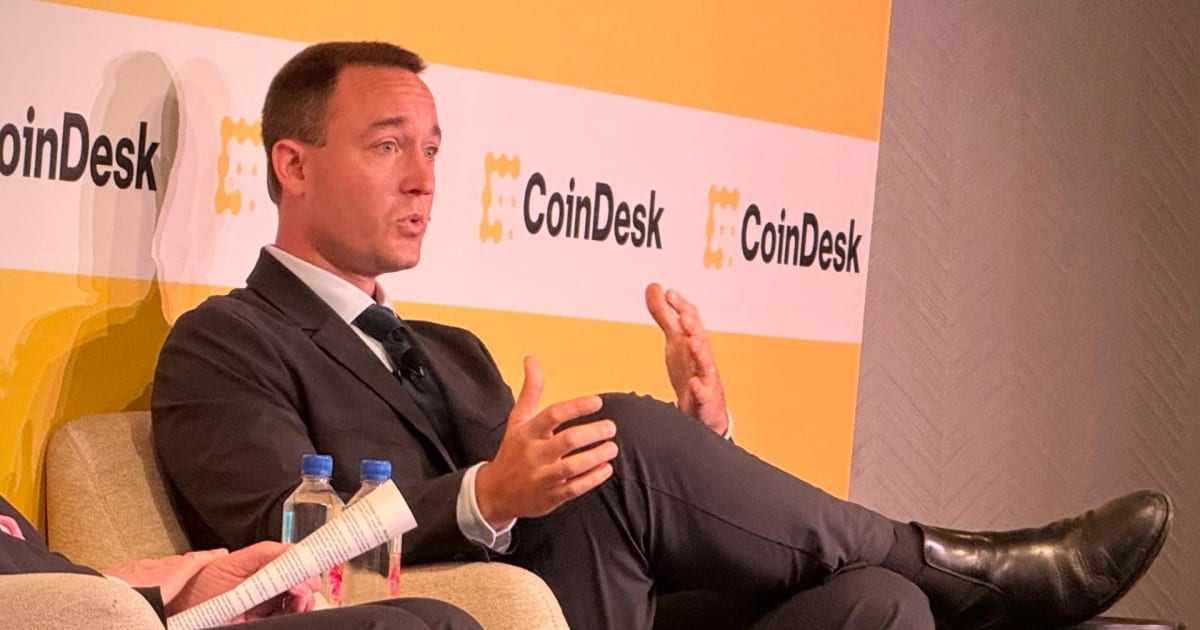
The US SEC's recent statements regarding crypto custody are a subtle but powerful signal to institutional investors. This move, while not directly targeting India, sets a precedent for regulatory acceptance that could significantly accelerate global digital asset adoption. WelthWest Research Desk delves into the indirect impact on Indian stocks, identifying potential winners and losers as the world embraces a new financial paradigm.
SEC Crypto Custody Clarity: India's Trillion-Dollar Digital Asset Opportunity
The global financial landscape is undergoing a seismic shift, driven by the relentless march of digital assets. At the epicenter of this transformation, regulatory bodies are grappling with the complexities of integrating these novel instruments into established frameworks. A pivotal development emerged recently from the United States Securities and Exchange Commission (SEC), whose evolving stance on cryptocurrency custody for institutional investors, particularly Registered Investment Advisors (RIAs), is far more than a technical detail – it's a potential catalyst for a multi-trillion-dollar reallocation of capital. While seemingly distant, this US regulatory nuance holds profound, albeit indirect, implications for the burgeoning Indian financial markets and its innovative tech sector.
WelthWest Research Desk's deep dive reveals that this clarity isn't just about compliance; it's about legitimization. For years, institutional investors, custodians of vast pools of capital, have hesitated on the sidelines of the crypto market, deterred by regulatory ambiguity and the perceived risks associated with holding volatile digital assets. The SEC's measured approach, particularly its emphasis on qualified custodianship, is beginning to dismantle these barriers, paving the way for a more secure and regulated environment. This shift matters immensely now because it addresses a fundamental hurdle – trust and security – that has prevented mainstream financial institutions from fully engaging with cryptocurrencies. The ripple effect, though indirect for India, is undeniable: increased global institutional participation lends credibility, attracts capital, and accelerates technological adoption, all factors that will eventually shape India's own digital asset trajectory.
How Will US Crypto Custody Rules Impact Indian Stock Market & Tech?
The direct correlation between US SEC rulings and specific Indian listed companies might appear tenuous at first glance. However, a closer examination reveals a compelling narrative of indirect influence and long-term opportunity. India's burgeoning digital economy, coupled with a tech-savvy population and a government increasingly exploring blockchain applications, positions it uniquely to benefit from a globally legitimizing crypto environment.
Historically, significant global financial shifts, even those originating far from Indian shores, have eventually impacted investor sentiment and capital flows within India. Consider the dot-com bubble of the late 1990s: while US tech stocks soared and crashed, Indian IT services companies like Infosys and Wipro, initially indirect beneficiaries of global tech spend, ultimately faced both opportunities and challenges as the global tech landscape evolved. Similarly, the 2008 global financial crisis, originating in US subprime mortgages, triggered significant capital outflows from emerging markets, including India, demonstrating the interconnectedness of global finance. This time, the impact is likely to be positive, fostering an environment of innovation rather than crisis.
The global cryptocurrency market, currently valued at approximately $2.5 trillion (as of early 2024), is still nascent compared to traditional asset classes. However, institutional capital, estimated to be in the tens of trillions globally, has only just begun to trickle in. As the SEC provides a clearer pathway, this trickle could become a flood. For India, this translates into several potential impacts:
- Increased Legitimacy & Investor Sentiment: A clearer regulatory framework in the US lends global legitimacy to crypto as an asset class. This can positively influence Indian retail and sophisticated investors, potentially leading to increased participation in crypto-related products and services, even if regulated differently in India. This psychological shift is crucial.
- Blockchain Technology Adoption: Indian IT services companies are already at the forefront of blockchain development for enterprise solutions. With increased institutional interest in crypto, demand for robust, secure, and compliant blockchain infrastructure will surge. This includes everything from smart contract development to secure data management and tokenization platforms.
- Fintech Innovation & Partnerships: Indian fintech companies, known for their agility, could explore partnerships with global crypto custody providers or develop their own compliant solutions for the Indian market, anticipating future regulatory clarity from the RBI and SEBI.
- Talent & R&D Investment: As the global crypto ecosystem expands, India's vast pool of skilled tech talent will become even more valuable. Increased R&D investment in blockchain and digital asset security within India is a likely outcome.
While direct impact on Indian financial markets is indirect, increased clarity and institutional participation in the US could lend legitimacy to the global crypto market, potentially influencing investor sentiment and regulatory approaches in India over the long term. It could also indirectly affect Indian tech companies exploring blockchain solutions or crypto-related services.
Which Indian Stocks Stand to Gain from Global Crypto Adoption?
Identifying direct beneficiaries in the Indian stock market requires looking beyond pure-play crypto firms, which are currently limited, and focusing on companies with significant exposure to technology, financial services infrastructure, and digital transformation capabilities. Here are 4-6 specific NSE/BSE stocks that WelthWest identifies as potential long-term beneficiaries:
- Infosys Ltd. (NSE: INFY): As a global IT services giant with a market capitalization exceeding ₹6.5 trillion, Infosys has been actively investing in blockchain technology and digital transformation services. Their enterprise blockchain solutions, ranging from supply chain management to financial services, will see increased demand as global institutions seek compliant and secure digital asset infrastructure. Their expertise in cybersecurity, data analytics, and cloud services positions them to support the complex needs of crypto custody and related applications. Infosys's P/E ratio of around 28-30x reflects its growth potential in emerging tech.
- Tata Consultancy Services Ltd. (NSE: TCS): Another IT powerhouse, TCS (market cap ~₹14 trillion), is a leader in banking, financial services, and insurance (BFSI) solutions. As traditional financial institutions globally begin to engage with crypto, they will rely on established partners like TCS for integration, compliance, and secure system development. TCS's strong presence in digital transformation projects for global banks makes it a prime candidate to benefit from increased blockchain and digital asset infrastructure spending. Their steady revenue growth and robust client base position them well.
- Larsen & Toubro Infotech Ltd. (NSE: LTIM): LTI, with its focused expertise in financial services and digital solutions, is another strong contender. With a market cap around ₹1.5 trillion, LTI has a track record of delivering innovative solutions for global clients. As the demand for bespoke blockchain solutions, secure data management for digital assets, and regulatory tech (RegTech) for crypto custody grows, LTI's specialized offerings will become increasingly valuable. Their agility compared to larger peers could give them an edge in niche but high-growth areas.
- Wipro Ltd. (NSE: WIPRO): Wipro, with a market cap around ₹2.5 trillion, has also been making strategic investments in emerging technologies, including blockchain. Their consulting arm can guide financial institutions through the complexities of digital asset integration, while their technology services can build and maintain the necessary infrastructure. As more companies explore tokenization of real-world assets, Wipro's capabilities in enterprise blockchain and digital security will be critical.
- HDFC Bank Ltd. (NSE: HDFCBANK): While not a direct tech play, HDFC Bank (market cap ~₹12 trillion) represents the forward-thinking segment of Indian financial institutions. Although direct crypto custody for Indian banks is currently restricted, global legitimization of crypto could accelerate regulatory discussions in India. HDFC Bank, with its strong digital infrastructure and innovation focus, is well-positioned to be an early adopter or partner if Indian regulations evolve to allow traditional banks to offer compliant digital asset services. Their robust balance sheet and customer trust would be significant advantages in a regulated crypto environment.
- Persistent Systems Ltd. (NSE: PERSISTENT): A mid-cap IT services firm (market cap ~₹600 billion) with a strong focus on product engineering and digital transformation. Persistent Systems has a track record of working with fintechs and has expertise in blockchain development. As global crypto infrastructure matures, there will be demand for specialized engineering services to build new products and platforms. Persistent's niche focus and strong engineering capabilities position it to capture a share of this growing market.
- Buy/Accumulate: Consider accumulating shares of the identified IT services giants (Infosys, TCS, LTIM, Wipro, Persistent Systems) on dips. These companies are not pure-play crypto bets but are crucial enablers of the digital economy infrastructure that will underpin institutional crypto adoption. Their robust balance sheets, global client base, and continuous investment in emerging technologies make them resilient long-term plays. Entry points could be around their 200-day moving averages or during broader market corrections. The time horizon here is 3-5 years, allowing sufficient time for the global institutional crypto narrative to mature and translate into increased enterprise spending.
- Watch Closely: Keep a close watch on innovative Indian fintech companies and any future announcements from the RBI or SEBI regarding crypto regulations. While direct investment in Indian crypto exchanges or platforms is limited for listed entities, any regulatory easing could open up significant opportunities. Also, monitor HDFC Bank for any strategic announcements or partnerships related to digital assets, as they could be a bellwether for traditional financial institutions in India.
- Avoid/Reduce: Be cautious with highly speculative, unlisted crypto projects or platforms that lack robust regulatory oversight. The global trend is towards regulated, compliant solutions. While these might offer high returns, the risks are commensurately higher, particularly in a still-evolving regulatory environment. Also, consider reducing exposure to traditional financial institutions that show little to no initiative in exploring digital asset opportunities, as they risk being left behind in the long run.
- Regulatory Uncertainty in India (Probability: High): The most significant risk remains the unpredictable regulatory landscape within India. While global clarity helps, the Indian government and central bank have expressed reservations about private cryptocurrencies. Overly restrictive regulations could stifle innovation and prevent Indian companies from fully capitalizing on global trends.
- Slower-than-Anticipated Institutional Adoption (Probability: Medium): While the SEC is clarifying, the actual pace of institutional capital deployment into crypto could be slower than anticipated. Bureaucracy, legacy systems, and risk aversion within large institutions could delay widespread adoption, impacting the demand for related tech services.
- New Global Regulations & Geopolitical Risks (Probability: Medium): Future regulations, potentially introducing new taxes, restrictions, or even outright bans in other major jurisdictions, could create headwinds. Geopolitical tensions or cyberattacks on major crypto infrastructure could also erode confidence, even in regulated environments.
- Technological Obsolescence & Security Breaches (Probability: Low-Medium): The rapid pace of technological change in blockchain means current solutions could become obsolete. Furthermore, despite robust custody solutions, the threat of sophisticated security breaches or hacks remains, potentially leading to significant financial losses and reputational damage.
- Further SEC Guidance & Enforcement Actions: Any new statements, enforcement actions, or specific rules from the SEC regarding digital assets will be critical. Watch for clarity on token classification (security vs. commodity) and specific rules for DeFi.
- Global Regulatory Harmonization Efforts: Keep an eye on international bodies like the Financial Stability Board (FSB) and G20 for efforts to standardize crypto regulations. Harmonization would significantly de-risk global institutional participation.
- Indian Government & RBI Stance: Any official announcements, whitepapers, or legislative actions from the Indian government or the Reserve Bank of India (RBI) regarding cryptocurrencies, CBDCs (Central Bank Digital Currencies), or blockchain technology. This is arguably the most impactful domestic catalyst.
- Major Financial Institutions' Crypto Offerings: Watch for announcements from major global banks (e.g., JPMorgan, Goldman Sachs) about new crypto custody services, trading desks, or tokenized asset offerings. These moves signal genuine institutional adoption.
- Growth in Enterprise Blockchain Adoption Rates: Quarterly earnings calls and industry reports from IT services companies will provide insights into the adoption rate of enterprise blockchain solutions and digital transformation projects related to financial services. Look for specific mentions of digital asset infrastructure.
- Development of Indian CBDC (e-Rupee): The progress and adoption of India's digital rupee could also indirectly influence the broader regulatory approach to digital assets and the underlying blockchain infrastructure.
Sector peers for these IT services companies include Tech Mahindra (NSE: TECHM) and Mphasis (NSE: MPHASIS), both of whom are also actively exploring blockchain and digital transformation initiatives and could see similar long-term benefits.
Bulls vs. Bears: The Contradictory Views on Crypto's Institutional Future
The institutional embrace of crypto is not without its detractors, leading to a fascinating divergence of expert opinion. Bulls argue that the SEC's evolving stance is the 'missing link' that will unlock trillions in institutional capital. They point to the maturation of the crypto market, the development of robust infrastructure, and the increasing demand from clients for exposure to digital assets. A bullish perspective emphasizes the inevitable 'financialization' of everything, with blockchain technology enabling fractional ownership, enhanced liquidity, and transparent settlement for a vast array of assets, from real estate to intellectual property. This view posits that the current regulatory clarity is merely the first domino, leading to a cascade of institutional product offerings – spot ETFs, derivatives, lending protocols – all requiring secure, compliant custody. The bears, however, remain skeptical. They highlight the persistent regulatory fragmentation globally, the inherent volatility of cryptocurrencies, and the potential for systemic risks that are still poorly understood. A bearish argument would emphasize that while the SEC is clarifying custody, it's not endorsing all crypto assets, and the threat of future restrictive regulations, particularly in other major economies like India, remains significant. They might also argue that the 'institutional demand' is overstated, or that the fees associated with compliant custody will erode potential returns, making crypto less attractive than traditional alternatives. Furthermore, bears would point to the environmental concerns surrounding proof-of-work cryptocurrencies and the potential for a 'crypto winter' to return, dampening enthusiasm even among institutions. The key difference lies in the perceived speed and extent of institutional integration – bulls see an accelerating train, bears see a slow, cautious crawl fraught with potential derailments.
Investor Playbook: Navigating the Digital Asset Frontier
For the discerning Indian investor, navigating this evolving landscape requires a strategic, long-term approach. The indirect nature of the impact necessitates looking beyond immediate price movements and focusing on foundational shifts.
This playbook is designed for investors seeking exposure to the 'picks and shovels' of the digital asset gold rush rather than directly mining for gold. The growth will be incremental but sustainable, driven by enterprise demand for secure, scalable, and compliant blockchain solutions.
Risk Matrix: Potential Headwinds for India's Digital Asset Future
Despite the bullish sentiment, several risks could dampen the anticipated impact on Indian markets:
What to Watch Next: Catalysts for the Digital Asset Evolution
Investors should closely monitor several key catalysts and data releases that will shape this narrative:
The journey towards full institutional integration of digital assets is complex and multi-faceted. The SEC's recent clarity is a significant step, but it is just one piece of a much larger, evolving puzzle. For Indian investors, understanding these global shifts and their indirect domestic impact is paramount for long-term portfolio positioning in the digital age.
See NA (No direct Indian listed companies solely focused on crypto custody with significant market impact currently)'s AI Score
Our algorithmic screener scores NA (No direct Indian listed companies solely focused on crypto custody with significant market impact currently) on fundamentals, momentum, and risk — free to try, no card needed.
Try the AI Screener →Have questions about this story?
Ask Welth, our finance-focused AI research assistant, for a deeper breakdown — free trial included.
Chat with Welth AI →Disclaimer: This content is generated by WelthWest Research Desk based on publicly available reports and is for informational purposes only. It does not constitute financial advice, investment recommendations, or an offer to buy or sell securities. Always consult a qualified financial advisor before making investment decisions.