Key Takeaway
The denial of bail in Singapore for an alleged international insider trading kingpin signals an aggressive, coordinated global enforcement push. Indian market participants, particularly those with offshore trading links, must brace for heightened regulatory scrutiny and potential compliance cost increases.
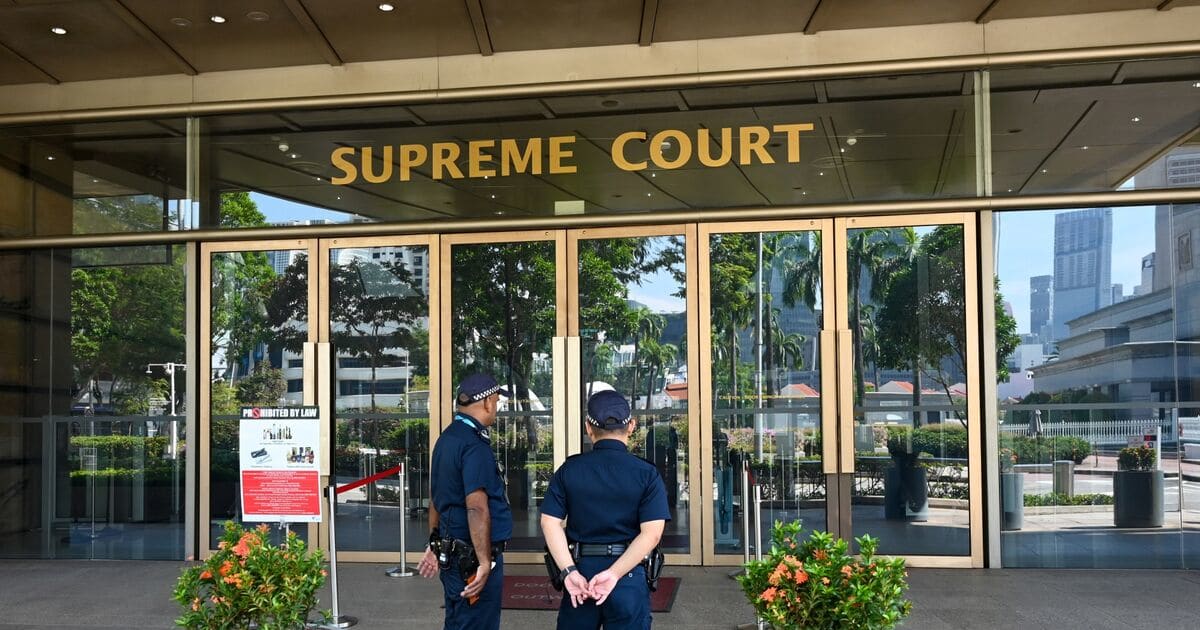
A pivotal moment in the global fight against financial crime has arrived as Singaporean authorities denied bail to an alleged leader of a vast international insider trading network. This development underscores the increasing efficacy of cross-border cooperation between agencies like the US DOJ and their Singaporean counterparts, sending ripples through global markets and demanding a re-evaluation of compliance strategies for Indian listed entities with international operations.
Singapore Bail Denial: Global Insider Trading Crackdown Hits Indian Markets
The Singapore High Court's decision to deny bail to an alleged architect of a sophisticated international insider trading ring represents a significant escalation in the global war on financial crime. This ruling, stemming from a case with deep connections to US market regulators, is far more than a regional legal development; it is a clarion call to vigilance for financial institutions and investors worldwide, particularly those operating within or with ties to the burgeoning Indian stock market.
For the Indian investment landscape, this event serves as a potent reminder of the interconnectedness of global financial integrity and the increasingly long reach of regulatory bodies like the US Department of Justice (DOJ). As cross-border trading desks and offshore investment vehicles become more prevalent, the risk of being caught in the net of international enforcement actions grows, necessitating a robust reassessment of due diligence and compliance frameworks.
Why This Singapore Bail Denial Matters Now
The immediate catalyst is the denial of bail to an individual accused of orchestrating a complex network designed to exploit non-public information across multiple jurisdictions. The US DOJ, working in tandem with Singaporean authorities, has been meticulously building a case that allegedly involves a wide array of illicit trading activities. This judicial decision solidifies the commitment of both nations to prosecute such offenses vigorously, indicating that geographical boundaries are no longer a sanctuary for financial criminals.
The implications are multifaceted. Firstly, it highlights the maturing capabilities and willingness of international regulatory bodies to collaborate, pooling resources and intelligence to dismantle sophisticated criminal enterprises. The days of operating with impunity across borders are rapidly receding. Secondly, it signals a period of heightened enforcement, where even alleged leaders face stringent pre-trial detention, suggesting a high degree of confidence in the evidence presented by prosecutors. This can embolden further investigations into linked entities and individuals, potentially broadening the scope of the current probe.
The timing is particularly relevant given the increasing participation of Indian investors and companies in global markets. As Indian capital markets mature and attract international capital, the potential for cross-contamination with illicit activities also rises. This case underscores the need for Indian entities to ensure their international trading desks and any associated offshore entities maintain impeccable compliance standards, lest they become collateral damage in a global crackdown.
Deep Market Impact Analysis: Connecting to the Indian Stock Market
The direct impact on the Indian stock market is likely to be nuanced, leaning towards a neutral sentiment but with significant underlying implications for regulatory compliance and risk management. The immediate effect might not manifest as a broad market sell-off, but rather as a recalibration of risk perception for certain segments of the market.
Regulatory Compliance Firms and Legal Tech Providers: The Unseen Winners
In the wake of such high-profile enforcement actions, the demand for robust regulatory compliance solutions is set to surge. Firms specializing in anti-money laundering (AML), know-your-customer (KYC) protocols, trade surveillance, and forensic accounting will see increased business. Legal technology providers offering AI-powered tools for identifying suspicious trading patterns and managing compliance documentation will also benefit. Companies operating in this space, such as Euronet Worldwide (NASDAQ: EEFT), a global provider of payment and transaction processing solutions that increasingly supports compliance functions, or specialized Indian fintechs focusing on regulatory tech, can anticipate a tailwind. While not directly listed on Indian exchanges in the context of this specific case's direct impact, their services are critical for Indian financial institutions.
Unregulated Trading Hubs and Offshore Hedge Funds: The Clear Losers
Conversely, unregulated or loosely regulated trading hubs, particularly those that have historically served as conduits for cross-border capital flows with less stringent oversight, face considerable headwinds. Offshore hedge funds that have relied on opaque structures or weak compliance frameworks to operate are now in the crosshairs. This crackdown signals a global move towards greater transparency and accountability. For Indian investors who might have exposure to such entities, the risk of capital loss due to regulatory intervention or asset freezing increases significantly.
Historical Parallels and Nifty's Resilience
While direct historical parallels for this specific type of cross-border insider trading ring are rare, the impact of broader global regulatory shifts on Indian markets can be observed. For instance, in late 2022, increased global focus on cryptocurrency regulation and potential money laundering activities led to cautious sentiment in related digital asset segments, though the broader Nifty 50 index remained relatively resilient. Similarly, past crackdowns on accounting fraud within global corporations have sometimes led to temporary dips in stocks with significant international exposure, but typically, the Indian market has demonstrated its ability to compartmentalize such events, provided they do not signal systemic weakness within India itself.
The current situation is distinct because it targets the integrity of trading itself, not just corporate reporting. This could have a more direct, albeit selective, impact on entities involved in international trading, brokerage, or those with complex offshore financial structures. The overall impact on the Nifty 50 is likely to be low to moderate, but the sectoral implications could be more pronounced.
Stock-by-Stock Breakdown: Potential Impacts on Indian Exchanges
While no specific Indian-listed stocks have been directly implicated in the alleged Singaporean insider trading ring at this juncture, the underlying risks and increased regulatory focus can indirectly affect certain companies and their peers. The impact is more about potential future investigations and increased compliance costs rather than direct involvement.
- ICICI Bank (NSE: ICICIBANK): As one of India's largest private sector banks with significant international operations and a global presence, ICICI Bank, along with peers like HDFC Bank (NSE: HDFCBANK) and Axis Bank (NSE: AXISBANK), could face heightened scrutiny on their trade finance and cross-border transaction monitoring. While their compliance frameworks are generally robust, any perceived weakness in overseeing international capital flows could lead to increased due diligence demands from regulators. The market capitalization of ICICI Bank stands at approximately ₹6.8 trillion, with a P/E ratio around 22. A sustained increase in compliance costs could marginally impact profitability, though its strong balance sheet and diversified revenue streams provide a buffer.
- Motilal Oswal Financial Services (NSE: MOTILALOFS): This integrated financial services company, involved in brokerage, investment banking, and wealth management, has a growing international presence and handles a significant volume of trades. Increased global regulatory enforcement could prompt a closer examination of its offshore brokerage arms and the compliance protocols in place for international clients. A P/E of around 30 and a market cap of approximately ₹350 billion suggest that operational efficiency and compliance are key to maintaining investor confidence.
- Reliance Industries (NSE: RELIANCE): While not directly involved in financial trading, Reliance Industries' vast global footprint and complex financial dealings, including its significant investments and capital raising activities across various international markets, mean it operates in an environment where global financial integrity is paramount. Any systemic increase in regulatory oversight or compliance requirements in international financial centers could indirectly influence the cost and complexity of its global operations. With a market cap exceeding ₹18 trillion and a P/E around 28, the company's scale means even minor increases in compliance overheads are magnified.
- Infosys (NSE: INFY): As a leading IT services provider, Infosys and its peers like TCS (NSE: TCS) and Wipro (NSE: WIPRO) are crucial in providing the technological backbone for financial institutions. Increased demand for advanced trade surveillance, AML software, and cybersecurity solutions for financial clients will likely boost their IT services segment. Infosys, with a market cap of around ₹5.5 trillion and a P/E of 25, could see increased revenue from its financial services and digital transformation offerings as banks and financial firms invest more in compliance technology.
- Aarti Industries (NSE: AARTIIND): This specialty chemicals company, with a market cap of around ₹70 billion and a P/E of 45, might seem distant. However, its international customer base and supply chain necessitate robust financial controls. In an environment of heightened global financial scrutiny, even companies in manufacturing sectors can face indirect pressure to demonstrate strong financial governance and transparency in their international dealings to maintain investor trust and secure financing.
It's crucial to reiterate that the impact on these stocks is primarily one of increased compliance vigilance and potential indirect operational adjustments, rather than direct culpability in the alleged insider trading scheme.
Expert Perspective: Bears vs. Bulls on the Singapore Case
The prevailing sentiment among market observers can be broadly categorized into optimistic and cautious viewpoints, each with its own rationale regarding the long-term implications of this Singapore bail denial.
Bullish Argument: Enhanced Market Integrity and StabilityBulls argue that aggressive enforcement actions, even those originating offshore, ultimately strengthen global financial markets. By deterring insider trading and financial crime, these crackdowns enhance market integrity, attract more legitimate capital, and reduce systemic risk. For India, this means a more stable and trustworthy environment for its own market participants engaging internationally. The increased focus on compliance also drives innovation in regulatory technology, benefiting companies that provide these solutions. Furthermore, a cleaner global financial ecosystem can lead to more predictable capital flows into emerging markets like India.
Bearish Argument: Increased Compliance Costs and Operational HurdlesBears, on the other hand, emphasize the potential for increased compliance costs and operational friction. As regulatory bodies collaborate and enforcement becomes more stringent, financial institutions, including those in India with international dealings, will face higher expenses related to legal counsel, compliance software, and personnel. This can reduce profit margins, particularly for smaller firms or those operating on thinner margins. Moreover, the fear of being inadvertently caught in broad investigations could lead to risk aversion, potentially stifling innovation and cross-border investment. The complexity of navigating diverse international regulations can become a significant barrier, slowing down business expansion.
A contrarian view might suggest that while the immediate focus is on alleged insider trading, this could be a precursor to broader investigations into market manipulation or capital flight, potentially impacting emerging market currencies or debt instruments if significant illicit flows are uncovered.
Actionable Investor Playbook: Navigating the New Regulatory Landscape
For the discerning investor, this development calls for a strategic reassessment rather than panic. The focus should be on identifying companies with robust compliance frameworks and those poised to benefit from the evolving regulatory environment.
- What to Buy: Look for companies in the Regulatory Technology (RegTech) and Forensic Audit sectors. These firms provide essential services that will see increased demand. Consider IT services companies with strong financial sector practices that offer advanced surveillance and compliance solutions. For example, companies like Tata Consultancy Services (NSE: TCS) or Wipro (NSE: WIPRO), with their extensive offerings in cybersecurity and financial analytics, could see sustained demand from financial institutions upgrading their systems.
- What to Watch/Monitor Closely: Keep a close eye on Indian banks and financial services companies with significant international operations. While direct impact is unlikely, any news of increased regulatory inquiries or fines related to cross-border transactions should be a red flag. Monitor the compliance spending of major Indian financial institutions; a significant uptick could signal future profitability pressures but also technological advancements. Stocks like ICICI Bank and HDFC Bank should be monitored for any subtle shifts in analyst sentiment related to compliance risk.
- What to Sell/Avoid: Entities with a history of weak governance, opaque offshore structures, or those heavily reliant on unregulated trading hubs should be viewed with extreme caution. Investors should consider reducing exposure to any direct or indirect investments in offshore funds or entities that lack transparent compliance reporting, especially if their operations are not fully disclosed or audited.
- Entry Points & Time Horizons: For RegTech and IT services providers, the current environment presents a favourable long-term opportunity. Entry points could be any significant market correction that allows for accumulation of quality stocks at a discount, with a time horizon of 3-5 years. For the broader market, the impact is likely to be sector-specific and short-to-medium term, dependent on the breadth of any subsequent investigations.
The key is to differentiate between the operational risks of companies directly involved in illicit activities and the increased compliance burdens faced by legitimate global players. The former should be avoided, while the latter might present buying opportunities in service providers or resilient large-cap entities.
Risk Matrix: Assessing Future Scenarios
Understanding the potential risks associated with this evolving global enforcement landscape is crucial for strategic decision-making.
- Risk 1: Broadening Investigations into Linked Brokerage Accounts. Probability: Medium. The nature of insider trading rings is often hierarchical and interconnected. As authorities delve deeper, they may uncover more linked accounts and individuals, potentially impacting a wider array of financial intermediaries globally, including those with Indian connections.
- Risk 2: Increased Compliance Costs for International Operations. Probability: High. Even for legitimate businesses, the intensified regulatory environment will translate into higher spending on compliance personnel, technology, and legal counsel. This could affect profit margins for Indian companies with significant overseas trading desks or capital markets activities.
- Risk 3: Reputational Damage to Companies with Offshore Exposure. Probability: Low to Medium. While not directly implicated, companies with complex offshore financial structures or those that have previously faced minor compliance issues could face increased scrutiny and reputational challenges from investors and regulators, purely due to association or perceived risk.
- Risk 4: Capital Flight from Emerging Markets Due to Perceived Risk. Probability: Low. While this specific case is unlikely to trigger a broad capital flight from India, a series of such high-profile global enforcement actions could contribute to a general increase in perceived risk for emerging markets, potentially affecting foreign direct investment and portfolio inflows in the long term.
What to Watch Next: Upcoming Catalysts
The narrative surrounding this international insider trading case will continue to unfold, with several key catalysts that investors should monitor:
- Further Arrests or Indictments: Any additional arrests or indictments by US or Singaporean authorities will indicate the ongoing momentum of the investigation and the potential breadth of the network.
- US DOJ Filings and Statements: Official statements or court filings from the US Department of Justice will provide deeper insights into the evidence collected and the scope of their ongoing investigations into cross-border financial crimes.
- Regulatory Announcements from MAS (Monetary Authority of Singapore): Any pronouncements or policy shifts from Singapore's central bank and financial regulator, the MAS, regarding enhanced oversight of financial institutions or trading activities will be significant.
- Quarterly Earnings Reports of Financial Services Companies: Pay close attention to the commentary in the quarterly earnings reports of major Indian banks and financial services firms regarding their compliance expenditures, international operations, and any changes in risk management strategies. This will provide a tangible measure of the impact.
- Developments in Related Legal Proceedings: Keep an eye on the progress of the legal proceedings against the alleged ringleader and any co-conspirators, as these will shape the ultimate outcome and set precedents for future enforcement actions.
The denial of bail in Singapore is a clear signal of global regulatory resolve. For the Indian market, it represents an opportune moment to reinforce robust compliance, enhance transparency, and strategically position for a future where cross-border financial integrity is paramount.
Run a free AI Stock Screen
Our algorithmic screener scores any NSE/BSE stock on fundamentals, momentum, and risk — free to try, no card needed.
Try the AI Screener →Have questions about this story?
Ask Welth, our finance-focused AI research assistant, for a deeper breakdown — free trial included.
Chat with Welth AI →Disclaimer: This content is generated by WelthWest Research Desk based on publicly available reports and is for informational purposes only. It does not constitute financial advice, investment recommendations, or an offer to buy or sell securities. Always consult a qualified financial advisor before making investment decisions.