Key Takeaway
Iran's new maritime permit mandates transform the Strait of Hormuz from a transit corridor into a geopolitical bottleneck. For Indian investors, this signals a shift toward defensive assets and a potential margin squeeze for crude-derivative heavy sectors.
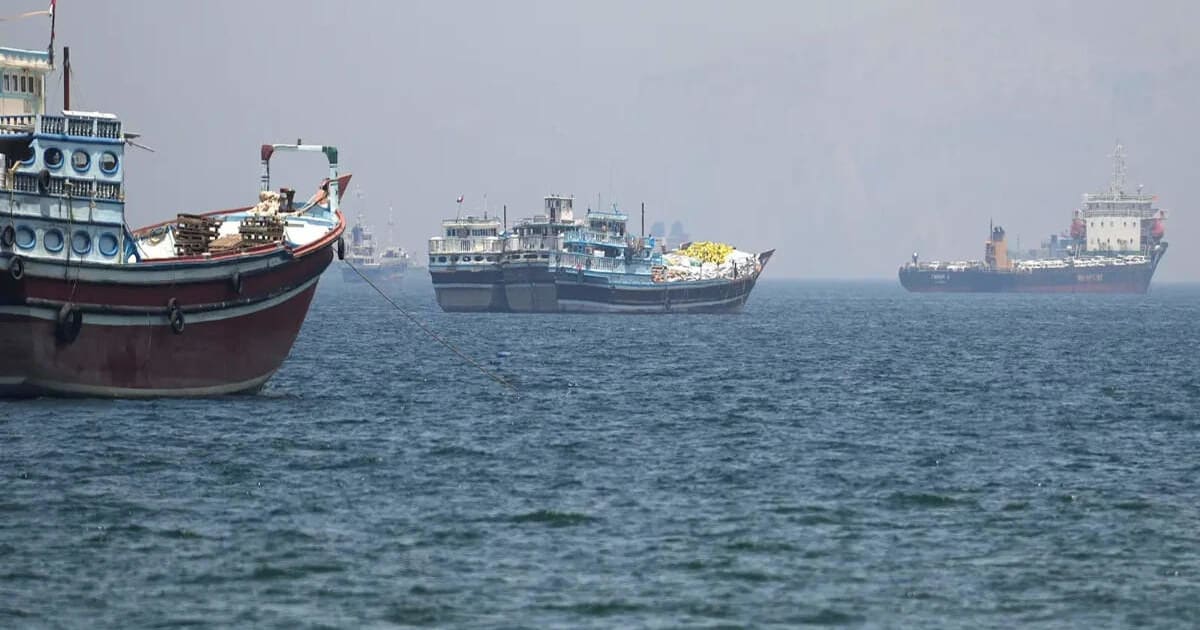
Geopolitical volatility in the Strait of Hormuz is creating a ripple effect across Indian markets. This report dissects the financial implications for OMCs, aviation, and defense, providing a strategic blueprint for navigating potential energy-driven inflation and supply chain disruptions.
The Strait of Hormuz: A Global Energy Chokepoint Under Pressure
The Strait of Hormuz, a narrow waterway responsible for approximately 20-30% of global oil consumption, has entered a period of heightened uncertainty. Iran's recent implementation of 'sovereign' transit mandates, requiring prior permits for vessels, represents a structural shift in maritime logistics. For India, which imports over 85% of its crude oil requirements, this is not merely a diplomatic friction point—it is a direct threat to the current account deficit (CAD) and domestic inflationary stability.
Historically, when transit costs in the Middle East spike, the Nifty 50 experiences a 'risk-off' sentiment, often leading to a 3-5% correction in energy-sensitive sectors within a single trading week. The current environment is complicated by the fact that global oil inventories remain tight, leaving little room for supply chain friction without immediate price discovery at the pump.
How will the Strait of Hormuz crisis impact Indian crude oil imports?
The primary transmission mechanism for this crisis is the 'Risk Premium' baked into Brent Crude prices. Every 10% increase in crude oil prices typically adds approximately 40-50 basis points to India’s inflation numbers and exerts downward pressure on the INR. For India’s Oil Marketing Companies (OMCs), the inability to fully pass on these costs to consumers—due to political sensitivity regarding fuel prices—results in significant margin erosion.
The Sectoral Domino Effect
The market impact is binary: upstream entities benefit from the price surge, while downstream and derivative-dependent sectors face a liquidity crunch. We are observing a divergence in valuation multiples, where firms with high operational leverage to crude derivatives are seeing their P/E ratios compress in anticipation of weaker quarterly earnings.
Stock-by-Stock Breakdown: Winners and Losers
- ONGC (NSE: ONGC): As the primary upstream player, ONGC benefits from higher realizations per barrel. With a market cap exceeding ₹3.5 lakh crore, it remains a defensive hedge against energy inflation.
- Bharat Petroleum (NSE: BPCL): Facing a dual threat of high input costs and retail price caps, BPCL is currently a 'sell' or 'avoid' for short-term traders until clarity emerges on government subsidy support.
- InterGlobe Aviation (NSE: INDIGO): Aviation Turbine Fuel (ATF) accounts for nearly 40% of Indigo's operating expenses. A sustained spike in crude will directly impact bottom-line profitability, potentially dragging the stock lower by 7-10% in a bear-case scenario.
- Bharat Electronics (NSE: BEL): Regional instability acts as a catalyst for increased defense spending. BEL, with its robust order book, remains a structural winner as India prioritizes maritime security and regional surveillance capabilities.
Expert Perspective: The Bull vs. Bear Debate
The current volatility is a test of India's strategic reserves and diplomatic agility. Bulls argue that India’s diversified import sources provide a buffer, while bears point to the inevitable 'freight cost inflation' that will permeate through the logistics and chemical sectors.
Actionable Investor Playbook
Investors should adopt a 'Barbell Strategy' during this period of uncertainty:
- Defensive Allocation: Increase exposure to gold-focused instruments (Sovereign Gold Bonds or Gold ETFs) as a hedge against geopolitical tail risk.
- Profit Booking: Reduce exposure to paint and tyre manufacturers (e.g., Asian Paints, MRF) where crude derivatives constitute a significant portion of the cost of goods sold (COGS).
- Selective Entry: Watch for dips in upstream energy stocks (OIL, ONGC) to capitalize on potential crude price spikes, maintaining a 6-12 month investment horizon.
Risk Matrix
| Risk Factor | Probability | Impact |
|---|---|---|
| Complete Closure of Strait | Low | Catastrophic |
| Sustained Freight Inflation | High | Moderate |
| INR Depreciation | Medium | High |
What to Watch Next
The next 30 days are critical. Watch for the upcoming OPEC+ production meeting and any official communications from the Ministry of Petroleum regarding the Strategic Petroleum Reserve (SPR) utilization. Additionally, monitor the weekly Brent Crude spot prices; a breach of the $90/barrel threshold will likely trigger a broader sell-off in Nifty FMCG and Aviation indices.
See ONGC's AI Score
Our algorithmic screener scores ONGC on fundamentals, momentum, and risk — free to try, no card needed.
Try the AI Screener →Have questions about this story?
Ask Welth, our finance-focused AI research assistant, for a deeper breakdown — free trial included.
Chat with Welth AI →Disclaimer: This content is generated by WelthWest Research Desk based on publicly available reports and is for informational purposes only. It does not constitute financial advice, investment recommendations, or an offer to buy or sell securities. Always consult a qualified financial advisor before making investment decisions.
