Key Takeaway
The Strait of Hormuz is the world’s most critical energy artery. A prolonged disruption risks a structural shift in India’s current account deficit and mandates a defensive rotation from consumption-heavy sectors toward energy producers and defense contractors.
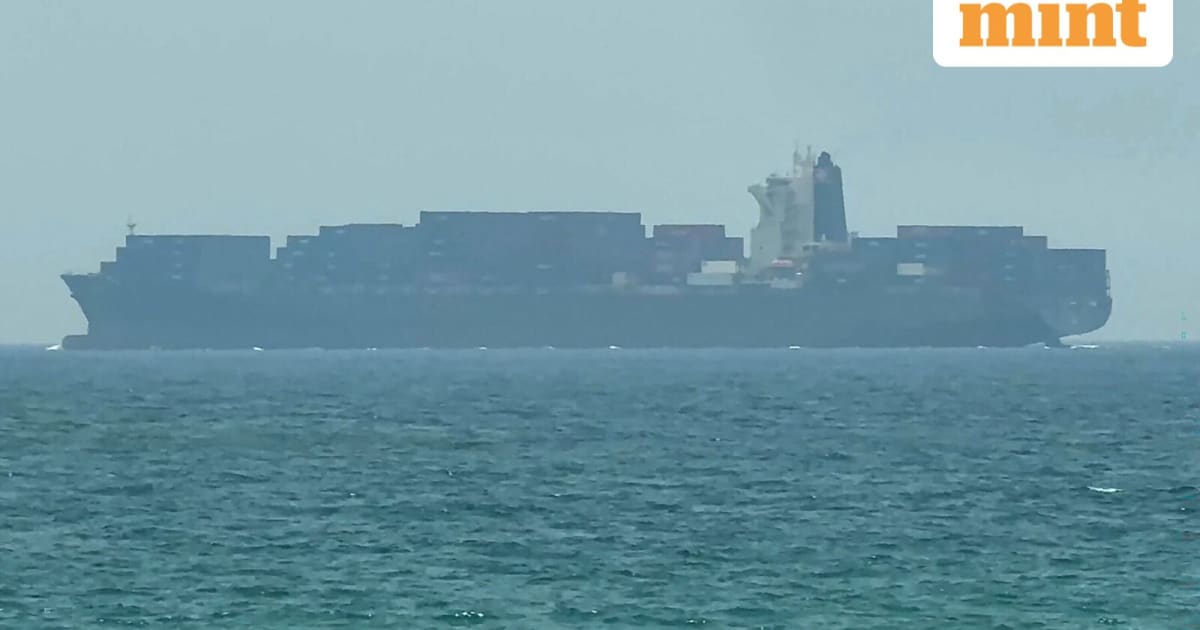
Rising military tensions in the Strait of Hormuz have triggered global energy supply concerns. We break down the cascading impact on India’s import bill, inflation, and specific stock performance across the energy and aviation sectors to help you navigate this volatility.
The Geopolitical Chokepoint: Why the Strait of Hormuz Matters
The Strait of Hormuz is not merely a maritime passage; it is the jugular vein of the global economy. With over 20 million barrels of oil passing through daily—roughly 20% of global consumption—any kinetic escalation in this 21-mile wide corridor translates instantly into a global supply shock. For India, which imports over 85% of its crude requirements, the mathematics of the Strait are unforgiving. A $10 rise in crude oil prices typically widens India’s Current Account Deficit (CAD) by approximately 0.4% to 0.5% of GDP, creating an immediate drag on the Rupee and compelling the RBI to reconsider its monetary easing trajectory.
How Does the Hormuz Conflict Impact the Indian Stock Market?
Historical parallels suggest that energy-driven volatility is a precursor to a wider market de-rating. During the 2022 energy price spike, the Nifty 50 experienced a sharp drawdown as foreign institutional investors (FIIs) fled emerging markets in favor of safe-haven assets. When the risk premium on oil rises, the Indian market faces a dual-pronged attack: imported inflation and capital outflows. Investors must understand that this is not just an oil story; it is a macro-reset that touches everything from logistics costs to the pricing power of consumer goods manufacturers.
The Divergence: Winners vs. Losers
The market is currently bifurcating into two distinct camps. Energy producers are seeing a margin expansion, while downstream users—specifically those reliant on crude derivatives—are facing a contraction in operating margins. The following breakdown outlines the sector-level impact:
- Energy Producers: Companies with upstream capabilities are the primary beneficiaries of higher real-time pricing.
- Aviation & Logistics: With Aviation Turbine Fuel (ATF) accounting for 40-50% of operating costs, airlines are the most vulnerable to supply-side shocks.
- Manufacturing: Paint and tyre manufacturers, which rely heavily on petrochemical derivatives, face significant margin erosion as input costs rise faster than the ability to pass them to the consumer.
Stock-by-Stock Breakdown: Navigating the Volatility
1. ONGC (Oil and Natural Gas Corporation): As India’s largest upstream player, ONGC is the primary hedge. With a market cap exceeding ₹3.5 lakh crore, the company benefits directly from higher crude realizations. Its P/E ratio, often trading at a discount to global peers, may see a re-rating as investors seek safety in energy cash flows.
2. Bharat Electronics (BEL) & HAL: In times of geopolitical uncertainty, the 'Defence Premium' takes hold. As tensions rise in the Middle East, India’s strategic focus on indigenous defense capabilities intensifies. BEL remains a core holding for its order book visibility and its role as a proxy for national security spending.
3. InterGlobe Aviation (IndiGo): The most direct loser in this scenario. Higher crude prices destroy the yield-per-seat metric. Investors should watch for margin compression in the upcoming quarterly results, as the company faces the dual challenge of high fuel costs and a competitive pricing environment.
4. HPCL/BPCL: These Oil Marketing Companies (OMCs) are caught in the crossfire. While they benefit from inventory gains, the inability to pass on price hikes during an election cycle or periods of high inflation often leads to under-recoveries, negatively impacting their bottom lines.
Expert Perspective: Bull vs. Bear
The Bear Case: Analysts favoring a bearish outlook argue that a sustained blockade will force the RBI to maintain higher interest rates for longer, killing the credit cycle. They point to the 2022 inflationary spike as a blueprint for a potential recessionary environment in emerging markets.
The Bull Case: Contrarians argue that Indian corporate balance sheets are at their strongest in a decade. They contend that the shift in global supply chains toward India provides a structural buffer that did not exist during previous oil shocks, potentially limiting the downside for domestic-oriented sectors.
Actionable Investor Playbook
Investors should adopt a 'Barbell Strategy' during this period of uncertainty:
- Defensive Allocation: Increase exposure to upstream energy stocks like ONGC and OIL. These act as natural hedges against rising fuel prices.
- Strategic Defence: Maintain or increase positions in high-conviction defense stocks (HAL, BEL) which benefit from long-term geopolitical tailwinds.
- Trim Exposure: Reduce weightings in aviation and logistics companies that lack the pricing power to offset fuel cost inflation.
- Cash Position: Increase cash reserves by 10-15% to capitalize on potential 'panic-selling' dips in high-quality mid-cap stocks.
Risk Matrix
| Risk Factor | Probability | Impact |
|---|---|---|
| Sustained Blockade of Hormuz | Moderate | High |
| Global Recessionary Trigger | Low-Moderate | High |
| Persistent Rupee Depreciation | High | Moderate |
What to Watch Next
Investors must keep a close watch on the Brent Crude spot price; a breach of the $95/barrel mark will likely trigger a systematic exit from Indian equities. Additionally, monitor the RBI’s MPC meeting minutes for hints on how the central bank plans to balance inflation targeting with growth. Finally, keep an eye on FII net flows data; if outflows become consistent over a 14-day window, it signals a deeper institutional shift that should prompt a defensive portfolio rebalance.
See ONGC's AI Score
Our algorithmic screener scores ONGC on fundamentals, momentum, and risk — free to try, no card needed.
Try the AI Screener →Have questions about this story?
Ask Welth, our finance-focused AI research assistant, for a deeper breakdown — free trial included.
Chat with Welth AI →Disclaimer: This content is generated by WelthWest Research Desk based on publicly available reports and is for informational purposes only. It does not constitute financial advice, investment recommendations, or an offer to buy or sell securities. Always consult a qualified financial advisor before making investment decisions.
