Key Takeaway
The Strait of Hormuz conflict serves as a double-edged sword: a catalyst for energy sector outperformance and a major headwind for the broader Indian consumer economy via imported inflation.
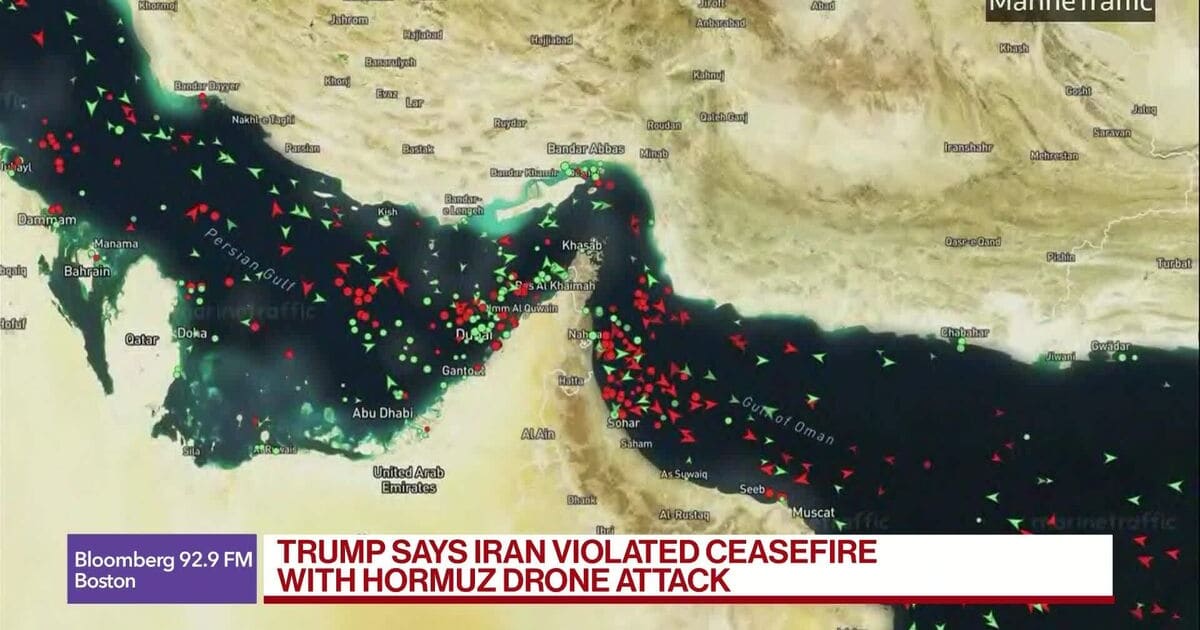
Geopolitical friction in the Strait of Hormuz is sending shockwaves through global energy markets. With India importing over 80% of its crude, this analysis decodes the cascading effects on the Nifty, potential currency volatility, and the specific sectors poised for disruption.
The Hormuz Chokepoint: Why This Geopolitical Spark Ignites Inflationary Fires
The Strait of Hormuz is not merely a geographic coordinate; it is the jugular vein of the global economy. With approximately 20-30% of the world’s daily petroleum consumption transiting through this narrow passage, any kinetic activity—such as the recent drone attacks—acts as an immediate supply shock. For the Indian markets, the transmission mechanism is direct: higher crude oil prices exacerbate the Current Account Deficit (CAD), weaken the Rupee (INR), and force the Reserve Bank of India (RBI) into a 'higher-for-longer' interest rate posture.
How Will the Hormuz Crisis Impact Indian Oil Marketing Companies (OMCs)?
Indian OMCs like Bharat Petroleum (BPCL) and Hindustan Petroleum (HPCL) operate on thin margins that are highly sensitive to the Indian Basket of crude. When international prices spike, these firms face a 'triple-whammy': increased inventory costs, political pressure to shield consumers from pump-price hikes, and margin compression. Historically, during the 2022 energy crisis, the Nifty Oil & Gas index saw volatility spikes exceeding 15% as investors priced in the inability of these firms to pass on costs to the end-user.
Sectoral Deep Dive: Winners and Losers
The market reaction to geopolitical instability is rarely uniform. We categorize the impact into three distinct clusters:
- The Beneficiaries (Upstream Energy & Defence): Firms with domestic production assets are shielded from import cost inflation. ONGC (NSE: ONGC), with a market cap exceeding ₹3.5 lakh crore, remains a primary beneficiary as realizations on crude oil rise in tandem with global benchmarks. Similarly, defence stocks like Bharat Electronics (BEL) and HAL are seeing renewed buying as regional instability necessitates higher domestic defence spending.
- The Margin-Compressed (Aviation & Chemicals): For InterGlobe Aviation (IndiGo), fuel accounts for nearly 40% of operational expenditure. A sustained $10/barrel increase in crude can decimate quarterly PAT (Profit After Tax) by double-digit percentages.
- The Derivative-Dependent (Paints & Auto): Asian Paints (NSE: ASIANPAINT) relies heavily on crude-derived monomers and solvents. Rising input costs, combined with a potential consumption slowdown, creates a bearish outlook for the sector.
Stock-by-Stock Breakdown: Navigating the Volatility
1. ONGC (NSE: ONGC)
As the primary upstream player, ONGC benefits from higher net realizations. With a P/E ratio currently hovering around 8x-9x, it provides a defensive hedge against energy-driven inflation. Investors should watch for the 'windfall tax' adjustments, which the government historically tweaks when crude prices exceed $75/barrel.
2. InterGlobe Aviation (NSE: INDIGO)
IndiGo is the most liquid proxy for aviation sector stress. Despite a strong moat in market share, the stock is highly sensitive to Brent crude. A sustained move above $90/barrel typically leads to a 5-8% drawdown in the stock price as analysts adjust their EBITDAR margins downward.
3. Bharat Electronics (NSE: BEL)
Defence remains a strategic long-term play. With an order book exceeding ₹75,000 crore, BEL is insulated from the immediate volatility of crude prices. Increased regional tensions act as a fundamental tailwind for consistent order inflows.
4. Asian Paints (NSE: ASIANPAINT)
A classic 'high-quality' stock currently facing a margin squeeze. With crude as a major raw material component, the company’s operating margins are currently under pressure. Investors should look for entry points only after the crude price stabilizes.
Expert Perspective: Contrarian vs. Consensus
The consensus view among institutional analysts is that the Strait of Hormuz crisis will lead to a 'risk-off' environment, favoring gold and defensive stocks. However, a contrarian perspective suggests that the Indian domestic economy is now more resilient than in 2014 or 2019. If the RBI maintains liquidity despite external shocks, the 'India Growth Story' might decouple from global energy volatility, potentially creating a 'buy the dip' scenario for domestic-focused manufacturing stocks.
Actionable Investor Playbook
- Reduce Beta: Trim exposure to high-beta, crude-sensitive sectors like Aviation and Paints.
- Increase Defensive Allocation: Shift capital toward Upstream Energy (ONGC, OIL) and Defence (BEL) to hedge against supply-chain disruptions.
- Monitor the Rupee: If USD/INR crosses the 84.50 threshold, expect further FII outflows, which will hit large-cap banking stocks disproportionately.
- Watch Gold: Increase allocation to Gold ETFs (e.g., Nippon India ETF Gold BeES) as a hedge against geopolitical tail risk.
Risk Matrix: Probability Assessment
| Risk | Impact | Probability |
|---|---|---|
| Sustained Oil Price >$100/bbl | High | Moderate |
| RBI Interest Rate Hike | High | Low |
| Supply Chain Bottleneck | Medium | High |
| INR Depreciation >3% | High | Moderate |
What to Watch Next
Investors should track the US EIA Weekly Petroleum Status Report and the RBI Monetary Policy Committee (MPC) minutes. Any signal of a shift in the inflation-targeting mandate will be the definitive catalyst for the next 500-point move in the Nifty 50. Keep a close eye on the 10-year G-Sec yields; a spike here would signal that the bond market is pricing in long-term inflationary risks, necessitating a defensive shift in equity portfolios.
See ONGC's AI Score
Our algorithmic screener scores ONGC on fundamentals, momentum, and risk — free to try, no card needed.
Try the AI Screener →Have questions about this story?
Ask Welth, our finance-focused AI research assistant, for a deeper breakdown — free trial included.
Chat with Welth AI →Disclaimer: This content is generated by WelthWest Research Desk based on publicly available reports and is for informational purposes only. It does not constitute financial advice, investment recommendations, or an offer to buy or sell securities. Always consult a qualified financial advisor before making investment decisions.