Key Takeaway
The imposition of a 20% transit levy on the Strait of Hormuz transforms a geopolitical standoff into a structural inflationary shock for India. Investors must rotate from consumption-heavy sectors to upstream energy and defense to hedge against a weakening Rupee and stalled RBI rate cuts.
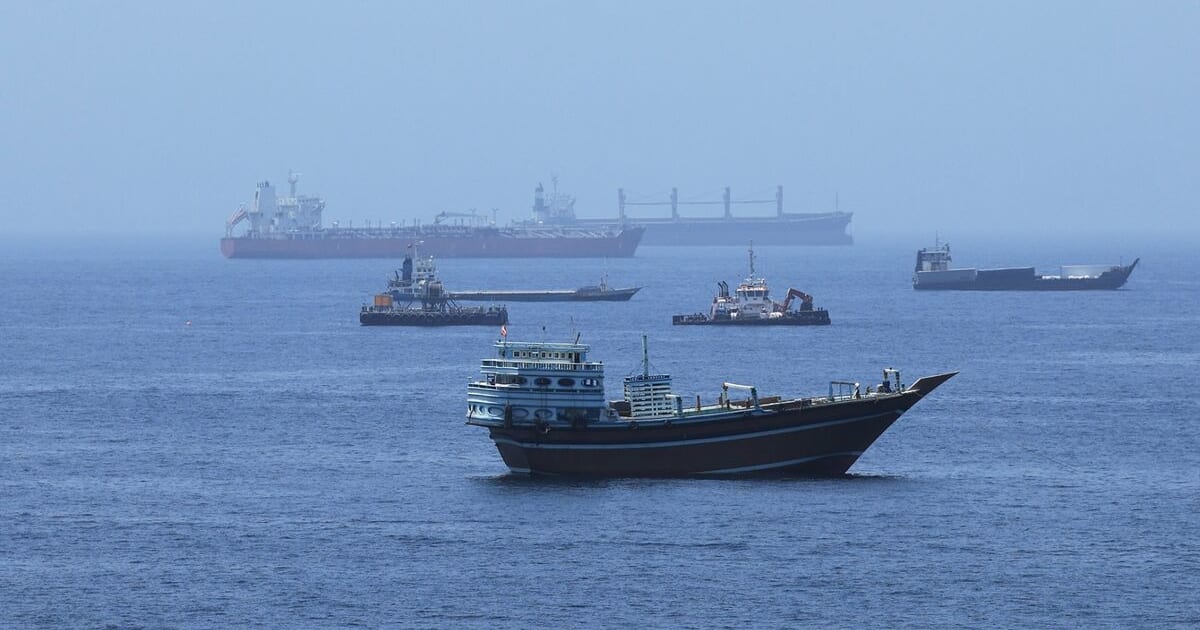
As the Strait of Hormuz faces a 20% transit tax and blockade, global crude markets are bracing for a supply-side crunch. For India, the world's third-largest oil importer, this escalation threatens the current account deficit, forces a revaluation of OMCs, and creates a significant divergence between upstream energy producers and downstream consumers.
The Hormuz Bottleneck: A Structural Shift for Global Energy
The Strait of Hormuz is not merely a maritime passage; it is the jugular vein of the global economy. With nearly 20% of the world’s petroleum liquids passing through this 21-mile-wide chokepoint daily, the US-imposed 20% transit levy combined with an Iranian blockade represents a 'black swan' event that fundamentally alters the cost of production for every major economy. For India, which imports over 85% of its crude oil requirements, this is not just a geopolitical headline—it is a fiscal emergency.
When oil prices spike, the Indian Rupee (INR) traditionally bears the brunt. History provides a stark warning: during the 2022 energy crisis, the Nifty 50 experienced a sharp 8% correction over three months as the cost of imported energy ballooned, widening the Current Account Deficit (CAD) and forcing the RBI into a hawkish stance. We are now looking at a potential repeat, but with the added complexity of a global supply-side tax.
How will the Hormuz transit tax impact RBI interest rate decisions?
The primary transmission mechanism of this crisis into the Indian equity market is through the inflation-interest rate nexus. Higher crude prices act as a direct tax on the Indian consumer and the manufacturing sector. As the Wholesale Price Index (WPI) and Consumer Price Index (CPI) track upward, the Reserve Bank of India (RBI) finds its room for maneuver severely constrained.
While the market was pricing in a pivot toward rate cuts by Q3 2025, a sustained $10-$15 per barrel premium on crude—driven by the Hormuz levy—will likely force the Monetary Policy Committee (MPC) to maintain higher-for-longer rates. This is toxic for high-beta sectors like banking and real estate, which have been the primary drivers of the recent Nifty rally.
Sectoral Winners and Losers: Navigating the Volatility
Upstream Energy: The Defensive Hedge
Upstream companies like ONGC (BSE: 500312) and OIL (BSE: 533106) are the primary beneficiaries of this supply shock. As crude prices rise, their realization per barrel increases significantly. With ONGC currently trading at a P/E of roughly 7-8x, the market has not fully priced in the earnings upgrade resulting from a sustained $90+ Brent environment. These stocks serve as a natural hedge against the broader market's energy-induced weakness.
The Downstream Trap: OMCs and Airlines
Conversely, Oil Marketing Companies (OMCs) like IOCL (BSE: 530965), BPCL (BSE: 500547), and HPCL (BSE: 500104) face a margin squeeze. If the government mandates price freezes to contain retail inflation ahead of elections or economic sensitive periods, these firms will absorb the cost, leading to significant inventory losses and compressed marketing margins. Similarly, InterGlobe Aviation (IndiGo) (NSE: INDIGO) faces a dual headwind: higher Aviation Turbine Fuel (ATF) costs and a weakening Rupee, which increases dollar-denominated maintenance costs.
Stock-by-Stock Deep Dive
- Reliance Industries (RIL): As a massive integrated player, RIL is a paradox. Its O2C (Oil-to-Chemicals) business faces margin pressure, but its upstream gas assets and inventory gains provide a buffer. With a market cap exceeding ₹19 lakh crore, it remains a defensive play for institutional investors.
- Asian Paints: As a petrochemical derivative-heavy firm, Asian Paints is highly sensitive to crude prices. Rising costs in raw material inputs (monomers and polymers) will lead to margin erosion, making it a 'sell' or 'avoid' in this high-oil-price regime.
- Defense Sector: Companies like Bharat Electronics (BEL) and Hindustan Aeronautics (HAL) are likely to see increased interest. Geopolitical instability in the Gulf historically correlates with increased defense spending by sovereign nations, including India, to secure maritime trade routes.
The Contrarian View: Bulls vs. Bears
Bulls argue that India’s strategic petroleum reserves and diversified sourcing (specifically the shift toward discounted Russian crude) will insulate the economy from the worst of the Hormuz tax. They point to the fiscal prudence of the current administration as a buffer. Bears, however, highlight that even with discounted crude, the 'Hormuz Premium' creates a global floor for energy prices, meaning no nation can fully escape the inflationary impact. They argue that the Nifty’s current valuations—at 22x forward earnings—are far too rich to absorb an energy-led earnings downgrade.
Investor Playbook: Strategic Asset Allocation
- Reduce Exposure: Trim holdings in auto and paint sectors where raw material costs are highly correlated with oil prices.
- Increase Defensive Energy: Shift capital toward upstream producers (ONGC/OIL) that benefit from higher realization.
- Monitor the Rupee: If USD/INR crosses the 85.00 mark, increase exposure to IT exporters as a currency hedge.
- Time Horizon: This is not a 'buy the dip' scenario. Expect high volatility for at least 2-3 quarters as the global logistics chain adjusts to the new tax reality.
Risk Matrix
| Risk Factor | Impact | Probability |
|---|---|---|
| Full-scale Gulf War | Catastrophic | Moderate |
| Sustained $100+ Brent | High | High |
| RBI Rate Hike | High | Low |
What to Watch Next
Investors should track the upcoming US Energy Information Administration (EIA) inventory reports and any statements from the OPEC+ cartel regarding production quotas. Any sign of a 'compensatory' supply increase from Saudi Arabia or the UAE will be the first signal that the market is attempting to stabilize. Keep a close watch on the RBI MPC meeting minutes for shifts in rhetoric regarding imported inflation.
See ONGC's AI Score
Our algorithmic screener scores ONGC on fundamentals, momentum, and risk — free to try, no card needed.
Try the AI Screener →Have questions about this story?
Ask Welth, our finance-focused AI research assistant, for a deeper breakdown — free trial included.
Chat with Welth AI →Disclaimer: This content is generated by WelthWest Research Desk based on publicly available reports and is for informational purposes only. It does not constitute financial advice, investment recommendations, or an offer to buy or sell securities. Always consult a qualified financial advisor before making investment decisions.
