Key Takeaway
The Strait of Hormuz conflict creates a 'stagflationary' risk for India. Investors should hedge with upstream energy and defense while trimming exposure to oil-dependent discretionary sectors.
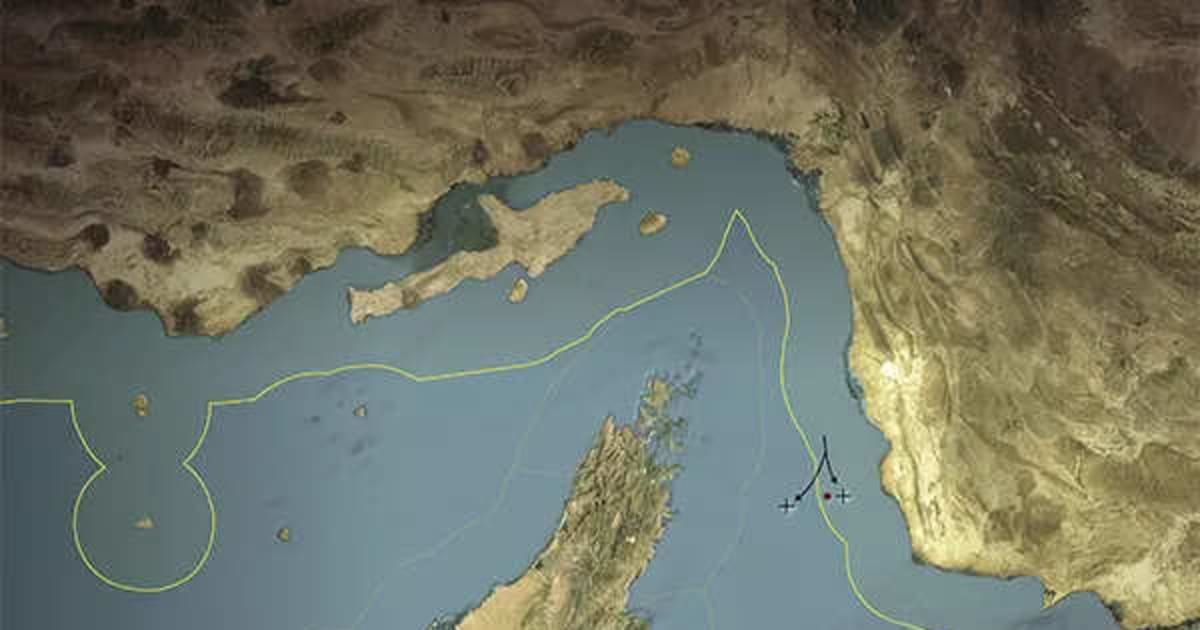
As geopolitical instability flares in the Strait of Hormuz, global crude prices face upward pressure. This analysis explores the ripple effects on India’s fiscal deficit, RBI monetary policy, and the specific NSE stocks poised for volatility.
The Hormuz Chokepoint: A Ticking Time Bomb for Global Energy
The Strait of Hormuz is not merely a geographic waterway; it is the jugular vein of the global economy. With over 20% of the world’s petroleum liquids passing through this narrow passage daily, any kinetic military activity—such as the recent downing of drones—acts as an immediate supply-side shock. For India, which imports over 85% of its crude oil requirements, the math is unforgiving: every $10 rise in the price of Brent crude adds approximately 0.5% to the Current Account Deficit (CAD) and significantly hampers GDP growth.
How will the Strait of Hormuz conflict impact Indian stock market volatility?
History serves as a grim teacher. During the 2022 energy crisis, the Nifty 50 experienced a sharp drawdown as inflationary pressures forced the RBI into a cycle of aggressive rate hikes. When the 'risk premium' on oil rises, the Indian Rupee (INR) typically weakens against the USD, leading to a double-whammy of imported inflation and foreign institutional investor (FII) outflows. Current market data suggests that a sustained $95/barrel price point could compress corporate margins across the Nifty 50 by 150-200 basis points in the upcoming quarter.
The Sectoral Winners: Defensive and Upstream Strength
In a high-volatility environment, capital flows toward entities that benefit from higher commodity realizations or government-mandated security spending:
- ONGC (NSE: ONGC) & OIL (NSE: OIL): As upstream producers, these companies see their net realizations increase as crude prices climb. With ONGC trading at a P/E of roughly 7x-8x, it remains a value play against the broader market index.
- HAL (NSE: HAL) & BEL (NSE: BEL): Geopolitical friction necessitates increased defense spending. Both HAL and BEL possess robust order books (exceeding ₹80,000 Cr and ₹70,000 Cr respectively) and are beneficiaries of the 'Atmanirbhar Bharat' policy, providing a hedge against macroeconomic instability.
The Sectoral Losers: Margin Compression and Demand Destruction
Conversely, downstream and consumer-facing sectors face a structural headwind:
- OMCs (BPCL, HPCL, IOCL): While these firms benefit from inventory gains, they are often pressured by the government to absorb price hikes to control inflation, leading to suppressed marketing margins.
- Aviation (IndiGo): Jet fuel (ATF) accounts for 40% of an airline’s operating cost. A sustained rise in crude prices will lead to immediate earnings downgrades for carriers like IndiGo, which cannot always pass costs to price-sensitive Indian consumers.
- Paint & Tyre Manufacturers: These industries are direct consumers of petrochemical derivatives. Rising crude prices directly inflate their COGS (Cost of Goods Sold), threatening their 12-15% EBITDA margin profiles.
Expert Perspective: The Bull vs. Bear Case
The Bull Case: Proponents argue that India’s diversified energy basket and strategic petroleum reserves (SPR) provide a sufficient buffer. They suggest that the RBI, having maintained a 'withdrawal of accommodation' stance, is well-equipped to manage imported inflation without needing excessive rate hikes.
The Bear Case: Skeptics point to the fiscal deficit. If crude remains above $90 for more than two quarters, the government may be forced to cut excise duties, sacrificing tax revenue to protect consumers, which would jeopardize the fiscal consolidation roadmap.
Actionable Investor Playbook
Investors must pivot from a 'growth-at-any-cost' mindset to a 'margin-resilience' strategy. Strategy: Increase exposure to upstream energy producers on dips. Reduce exposure to consumer discretionary stocks where raw material costs constitute >30% of total expenditure. Watch for the 200-day Moving Average (DMA) on Nifty; a sustained break below this level amidst rising oil prices is a signal for defensive rotation.
Risk Matrix: Assessing the Impact of Protracted Conflict
| Risk | Probability | Impact |
|---|---|---|
| Sustained $100+ Brent Crude | Moderate | High |
| INR Depreciation below 84.5/USD | High | Medium |
| RBI Rate Hike (25bps) | Moderate | High |
| Global Supply Chain Bottleneck | Low | Critical |
What to Watch Next
Keep a close eye on the upcoming RBI Monetary Policy Committee (MPC) meetings and the US EIA weekly crude inventory reports. Any divergence between anticipated supply and actual inventory levels will be the primary catalyst for the next 5-10% move in the Nifty energy index. Furthermore, watch for the government’s stance on windfall taxes—a potential move to tax upstream profits could neutralize the gains for ONGC shareholders.
See ONGC's AI Score
Our algorithmic screener scores ONGC on fundamentals, momentum, and risk — free to try, no card needed.
Try the AI Screener →Have questions about this story?
Ask Welth, our finance-focused AI research assistant, for a deeper breakdown — free trial included.
Chat with Welth AI →Disclaimer: This content is generated by WelthWest Research Desk based on publicly available reports and is for informational purposes only. It does not constitute financial advice, investment recommendations, or an offer to buy or sell securities. Always consult a qualified financial advisor before making investment decisions.
