Key Takeaway
The easing of tensions in the Strait of Hormuz signals a structural shift in crude supply chains, promising margin expansion for Indian OMCs and aviation firms while curbing inflationary pressures for the broader economy.
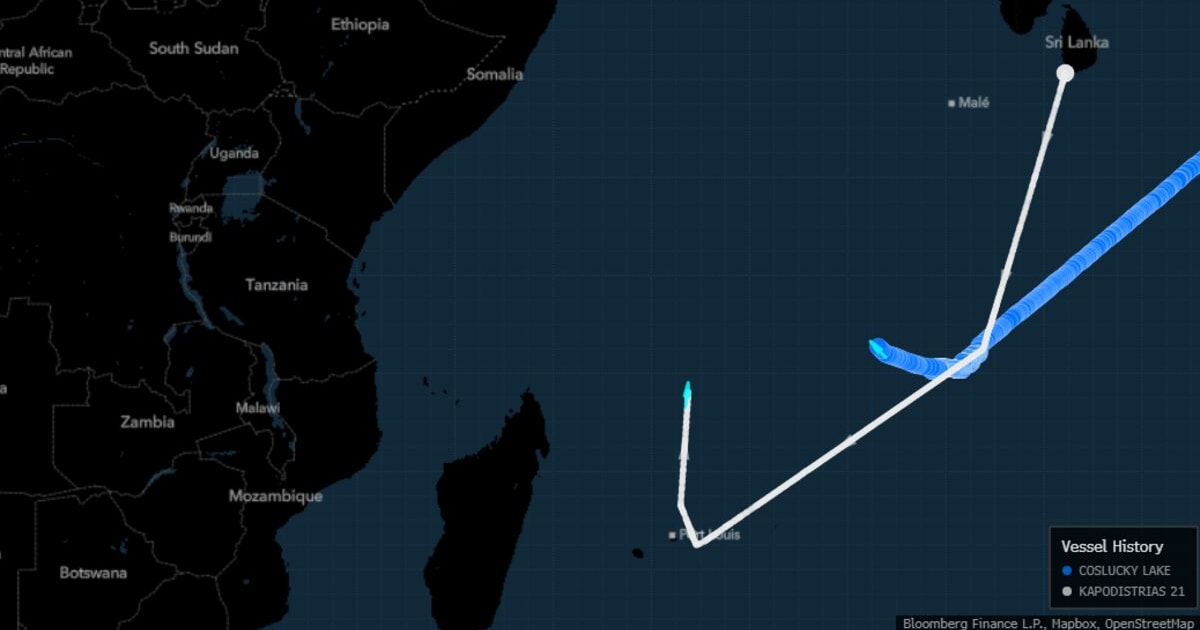
Global oil tankers are repositioning, signaling a potential cooling of geopolitical friction at the Strait of Hormuz. This shift carries profound implications for India's energy-heavy current account, offering a tailwind for domestic oil refiners and logistics players while challenging the premium valuation of safe-haven assets.
The Great Repositioning: Why the Strait of Hormuz Matters Now
The global energy landscape is undergoing a silent, tactical recalibration. Recent maritime data indicates a significant increase in tanker traffic directed toward the Strait of Hormuz, the world’s most critical oil chokepoint. Through which nearly 20% of global petroleum consumption flows, this waterway serves as the jugular vein of the global economy. For India, the world’s third-largest oil importer, any sign of stability here is not merely a geopolitical footnote—it is a macroeconomic catalyst.
The current U-turn of tankers signifies an anticipation of de-escalation. Historically, when supply-side premiums in the Middle East evaporate, the immediate effect is a narrowing of the 'war risk' spread embedded in Brent crude pricing. For India, this translates to lower import bills, a potential stabilization of the Current Account Deficit (CAD), and increased fiscal space for the government to manage fuel subsidies.
How Will the Hormuz Normalization Impact Indian Oil Marketing Companies?
Indian Oil Marketing Companies (OMCs) operate on a delicate balance of under-recoveries and government-mandated price caps. When crude prices spike due to regional instability, OMCs often bear the brunt, as they cannot fully pass on costs to the retail consumer. The normalization of the Strait of Hormuz serves as a direct margin-expansion narrative for companies like IOCL and BPCL.
When crude prices softened during the 2022 de-escalation attempts, OMCs saw a sharp recovery in their Gross Refining Margins (GRMs). If the current trend persists, we expect a re-rating of these stocks as market participants price in higher profitability per barrel. With IOCL currently trading at a P/E of approximately 5.5x and BPCL at 7.2x, the margin expansion potential is not fully captured by current valuations.
Sector-Level Deep Dive: Who Wins and Who Loses?
The Winners: OMCs, Aviation, and Logistics
The aviation sector, which is notoriously sensitive to Aviation Turbine Fuel (ATF) costs, stands to be the most significant beneficiary. For InterGlobe Aviation (IndiGo), fuel accounts for nearly 40% of operational expenses. A sustained 5-10% drop in crude prices could result in a massive bottom-line expansion, allowing for more aggressive capacity expansion and improved operating margins.
Similarly, logistics and shipping firms like Great Eastern Shipping will see a stabilization in demand patterns. While historically high freight rates have padded balance sheets, a more predictable, open trade route allows for more efficient fleet utilization and lower insurance risk premiums.
The Losers: Upstream Producers and Safe-Haven Assets
Conversely, upstream producers like ONGC and Oil India face headwinds. These companies benefit when prices are elevated; as the 'geopolitical premium' vanishes, their per-barrel realizations inevitably contract. Furthermore, gold—often held as a hedge against energy-driven inflation—may see reduced institutional demand as the 'fear factor' in the energy markets subsides.
Strategic Stock Breakdown
- IOCL (Indian Oil Corp): The primary beneficiary of normalized refining margins. Look for institutional accumulation if crude holds below $75/barrel.
- BPCL (Bharat Petroleum): High operating leverage makes this a 'beta' play on energy price normalization.
- HPCL (Hindustan Petroleum): Expected to see significant improvement in debt-to-equity ratios as cash flows from refining operations stabilize.
- InterGlobe Aviation (IndiGo): The ultimate 'proxy' for lower fuel costs. Watch for margin expansion in the upcoming quarterly results.
- Great Eastern Shipping: While volume might stabilize, the reduction in war-risk premiums will lower insurance costs, improving net margins.
Expert Perspective: Bull vs. Bear
The Bull Argument: The normalization of the Strait of Hormuz is the 'Goldilocks' scenario for India. It lowers inflation, boosts corporate earnings in the energy-downstream space, and provides the RBI with more flexibility on interest rates.
The Bear Argument: Geopolitical stability in the Middle East is historically fragile. Bears argue that the current tanker movement is a speculative adjustment rather than a structural change. They caution that any sudden escalation could result in a 'snap-back' effect, where oil prices spike higher than they would have without the temporary lull, as market participants scramble to hedge against sudden supply disruptions.
The Investor Playbook: Actionable Steps
Investors should adopt a 'staged entry' approach. Given the high volatility inherent in energy stocks, avoid going 'all-in' on a single sentiment shift. Instead, monitor the Brent Crude 50-day Moving Average; a sustained break below this level provides a strong technical signal to increase exposure to OMCs and Aviation.
Time Horizon: This is a 6-to-18-month trade. Focus on companies with strong balance sheets that can withstand short-term, localized shocks while benefiting from the long-term trend of lower input costs.
Risk Matrix
| Risk Factor | Probability | Impact |
|---|---|---|
| Sudden Geopolitical Escalation | Medium | High |
| OPEC+ Production Cuts | High | Medium |
| Global Economic Slowdown | Medium | High |
What to Watch Next
Keep a close eye on the upcoming OPEC+ ministerial meetings and any formal announcements regarding maritime security patrols in the Persian Gulf. Additionally, monthly India Trade Balance data will be the definitive indicator of whether lower oil prices are successfully shrinking the current account deficit as predicted. If the trade deficit narrows consistently over the next two quarters, expect a broader rally in Nifty-50 stocks sensitive to domestic consumption.
See IOCL's AI Score
Our algorithmic screener scores IOCL on fundamentals, momentum, and risk — free to try, no card needed.
Try the AI Screener →Have questions about this story?
Ask Welth, our finance-focused AI research assistant, for a deeper breakdown — free trial included.
Chat with Welth AI →Disclaimer: This content is generated by WelthWest Research Desk based on publicly available reports and is for informational purposes only. It does not constitute financial advice, investment recommendations, or an offer to buy or sell securities. Always consult a qualified financial advisor before making investment decisions.
