Key Takeaway
Geopolitical tensions in the Strait of Hormuz are injecting a significant risk premium into global crude oil prices, directly threatening India's macroeconomic stability and creating a stark divergence in fortunes for Indian energy and consumption-linked stocks. Investors must navigate this volatility with a strategic, sector-specific approach.
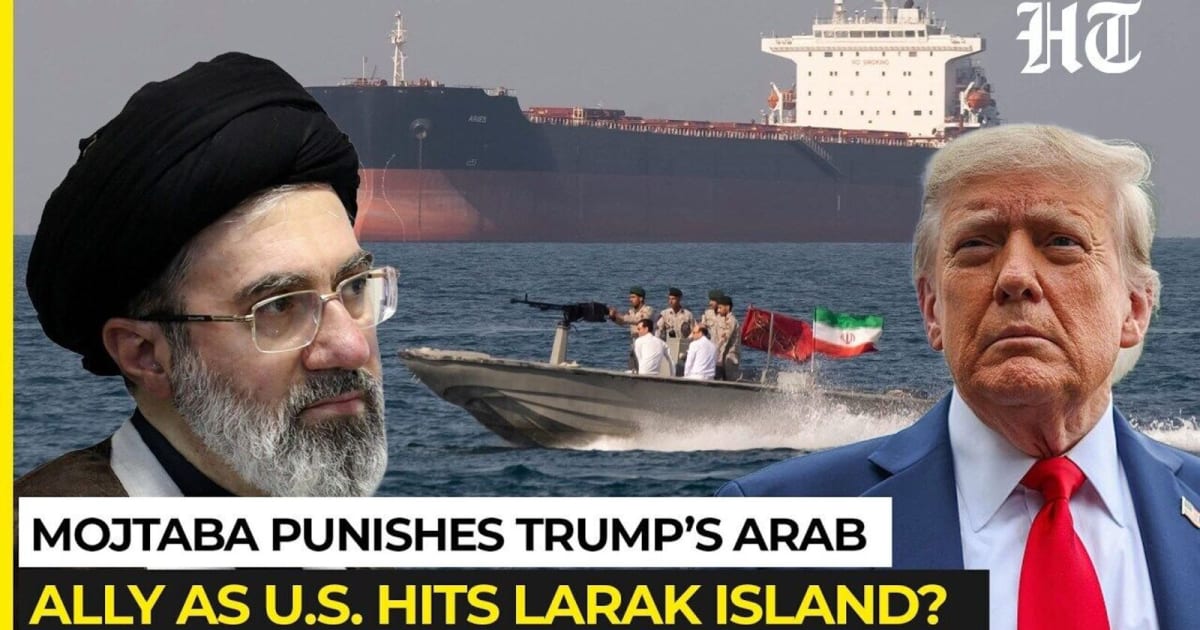
Recent attacks on oil supertankers in the critical Strait of Hormuz, amidst escalating US-Iran hostilities, have sent shockwaves through global energy markets. For India, a major oil importer, this event carries profound implications for inflation, the current account deficit, and the profitability of key sectors. Our deep dive reveals the winners, losers, and an actionable investment playbook for Indian equities.
Strait of Hormuz Oil Attacks: India's Economic Shockwave & Stock Impact
The global energy landscape is once again gripped by uncertainty, following a series of audacious attacks on oil supertankers in the Strait of Hormuz. These incidents, occurring amidst heightened US-Iran hostilities, are not merely isolated maritime events; they represent a significant geopolitical tremor with far-reaching economic consequences, particularly for a major oil importer like India. The Strait of Hormuz, a narrow waterway connecting the Persian Gulf with the open ocean, serves as the world's most vital oil transit chokepoint. Approximately 20% of global petroleum liquids consumption, or about 21 million barrels per day, passes through this strait. Any disruption here, perceived or real, immediately translates into a substantial risk premium on crude oil prices, impacting everything from national treasuries to household budgets.
For India, the stakes are exceptionally high. As the world's third-largest oil consumer and a nation importing over 85% of its crude oil requirements, the price of Brent crude is a direct determinant of its economic health. Every $10 per barrel increase in crude oil prices typically exacerbates India's current account deficit by an estimated $12-15 billion and elevates inflation by approximately 0.3-0.4 percentage points. With the Indian economy already navigating global headwinds, these attacks introduce a fresh layer of complexity, demanding a meticulous re-evaluation of investment strategies across various sectors on the National Stock Exchange (NSE) and Bombay Stock Exchange (BSE).
What Happened in the Strait of Hormuz and Why Does it Matter Now for India?
In a rapid succession of events, multiple oil supertankers were reportedly targeted by unknown projectiles while transiting the Strait of Hormuz. While the precise perpetrators remain unconfirmed, the attacks are widely perceived as an escalation of the ongoing friction between the United States and Iran. This geopolitical backdrop is critical because the Strait has historically been a flashpoint for regional tensions. Unlike previous price spikes driven by demand-supply imbalances, the current surge is fundamentally a 'geopolitical risk premium' – an added cost reflecting the market's fear of supply disruption, rather than an actual physical shortage (yet). This distinction is crucial for investors, as such premiums can be volatile, reacting sharply to diplomatic overtures or further escalations.
For India, this matters now more than ever. The Reserve Bank of India (RBI) has been meticulously managing inflation, and higher crude prices threaten to unravel these efforts, potentially forcing a more hawkish monetary policy stance. Furthermore, a widening current account deficit (CAD) puts pressure on the Indian Rupee, making imports more expensive and potentially deterring foreign institutional investment (FII). The ripple effect extends to corporate India, with varying degrees of impact across the value chain, from upstream oil producers celebrating higher realizations to downstream consumers grappling with increased costs.
Deep Market Impact Analysis: Connecting Hormuz to Indian Equities
The immediate aftermath of the Strait of Hormuz incidents has been a sharp uptick in global crude oil benchmarks. Brent crude, for instance, surged past the $85 per barrel mark, a level not seen consistently in months, reflecting the market's anxiety. This surge, if sustained, will have a multi-faceted impact on the Indian stock market. Historically, periods of elevated crude oil prices have often coincided with increased volatility in the Nifty 50 index. During the 2022 crude price rally following the Russia-Ukraine conflict, for example, the Nifty 50 experienced significant corrections, particularly in sectors heavily reliant on fuel inputs. The current scenario, while distinct in its geopolitical drivers, shares the underlying characteristic of cost-push inflation.
Who Wins and Who Loses from Higher Crude Prices in India?
The impact of escalating crude prices on Indian equities is highly bifurcated:
- Winners: Oil Exploration & Production (E&P) and Upstream Companies: These companies directly benefit from higher crude oil prices as their realizations per barrel increase. Their profitability is directly correlated with global oil benchmarks.
- Losers: Oil Marketing Companies (OMCs): Companies like Indian Oil Corporation (IOC), Bharat Petroleum Corporation (BPCL), and Hindustan Petroleum Corporation (HPCL) face a challenging environment. While they can pass on some price increases to consumers, political compulsions often restrict full pass-through, leading to margin compression, especially on petrol and diesel.
- Losers: Airlines and Logistics & Shipping: Fuel is a major operating cost for airlines (e.g., IndiGo, SpiceJet) and shipping companies. Higher Aviation Turbine Fuel (ATF) and bunker fuel prices directly erode profitability. Additionally, increased insurance premiums for shipping through volatile regions further compound costs for logistics players.
- Losers: Auto Sector: Higher fuel prices can dampen consumer demand for vehicles, especially in the entry-level segments, as running costs increase. Companies like Maruti Suzuki India and Mahindra & Mahindra could see demand contraction.
- Indirect Winners: Defence Sector: While not directly linked to oil prices, heightened geopolitical tensions globally and regionally often lead to increased defence spending and procurement, indirectly benefiting Indian defence contractors.
Stock-by-Stock Breakdown: Navigating the Volatility
Let's delve into specific Indian equities poised to be significantly impacted by the Strait of Hormuz developments:
1. Oil and Natural Gas Corporation (ONGC) (NSE: ONGC, BSE: 500312): As India's largest crude oil and natural gas producer, ONGC stands to be a primary beneficiary. A 10% increase in crude oil prices can boost ONGC's standalone net profit by an estimated 15-20%, assuming no significant change in subsidy sharing mechanisms. With a market capitalization exceeding ₹2.5 trillion and a P/E ratio often below industry averages, its upstream operations are highly sensitive to crude price movements. Investors often view ONGC as a hedge against rising oil prices. Its peer, Oil India (NSE: OIL, BSE: 533106), also benefits similarly from increased realizations.
2. Reliance Industries Ltd (NSE: RELIANCE, BSE: 500325): Reliance, with its vast refining and petrochemical operations (part of its 'Oil to Chemicals' or O2C segment), presents a more nuanced picture. While higher crude prices increase feedstock costs, a widening crack spread (the difference between crude oil price and refined product prices) can benefit its refining margins. However, its significant exposure to consumer-facing businesses (Jio, Retail) means overall demand slowdown from higher inflation could be a headwind. The net impact depends on the interplay of refining margins versus domestic demand dynamics. Its diversified portfolio offers some insulation compared to pure-play upstream or downstream players.
3. Indian Oil Corporation (IOC) (NSE: IOC, BSE: 532522), Bharat Petroleum Corporation (BPCL) (NSE: BPCL, BSE: 533106), Hindustan Petroleum Corporation (HPCL) (NSE: HPCL, BSE: 500104): These state-owned Oil Marketing Companies (OMCs) are on the losing end. Despite strong marketing infrastructure and refining capabilities, their profitability is often constrained by government intervention in fuel pricing. When crude prices surge, OMCs absorb a portion of the increase to keep domestic fuel prices stable, leading to inventory losses and margin erosion. For example, during previous spikes, these companies have reported significant quarterly losses. Their P/E ratios tend to compress in such environments due to earnings uncertainty.
4. InterGlobe Aviation (Indigo) (NSE: INDIGO, BSE: 532538) & SpiceJet (NSE: SPICEJET, BSE: 500285): As the largest airline operators in India, both Indigo and SpiceJet are highly vulnerable. Fuel costs typically constitute 35-45% of an airline's operating expenses. A sustained 10% rise in ATF prices can shave off 5-7% from their operating margins. While airlines attempt to pass on costs through fare hikes, this can impact passenger demand, creating a delicate balancing act. The sector's sensitivity to crude prices means these stocks often face selling pressure during geopolitical flare-ups.
5. Maruti Suzuki India (NSE: MARUTI, BSE: 532500) & Mahindra & Mahindra (NSE: M&M, BSE: 500520): India's leading automobile manufacturers are indirectly affected. Higher fuel prices reduce disposable income and increase the cost of vehicle ownership, potentially deferring purchase decisions for new cars and SUVs. This impact is usually more pronounced in the entry-level and mid-segment vehicles. While M&M benefits from its tractor segment's resilience and recent strong SUV demand, a broad economic slowdown driven by inflation could temper growth.
Expert Perspective: Bulls vs. Bears on the Hormuz Impact
The current situation in the Strait of Hormuz elicits diverse views among market experts. Bulls might argue that the market has historically overreacted to such geopolitical events, with crude price spikes often proving temporary unless there's an actual, sustained supply disruption. They would point to the robust global oil inventories and the potential for increased production from non-OPEC+ sources to mitigate any long-term shortage. Furthermore, bulls might highlight India's strategic petroleum reserves and efforts towards diversifying its oil import basket as buffers. They may also contend that the Indian economy's underlying resilience and growth trajectory will absorb the shock, with the RBI having tools to manage inflation.
Conversely, Bears emphasize the fragility of the global supply chain and the 'thin ice' of current geopolitical stability. They would contend that even a perceived threat, let alone actual attacks, can keep the risk premium elevated for an extended period. Bears might also highlight the potential for retaliatory actions, leading to a wider conflict that could cripple oil transit. For India, they would underscore the compounding effect of higher crude on an already stressed fiscal position, potentially leading to increased government borrowing, higher interest rates, and a depreciating rupee – a vicious cycle that could dampen corporate earnings across the board beyond just the directly impacted sectors. The lack of clarity on the perpetrators and motives adds to the bearish sentiment, as it suggests an unpredictable escalation path.
Actionable Investor Playbook: Navigating the Oil Shock
Given the high impact and bearish sentiment surrounding the Strait of Hormuz events, investors need a tactical approach:
1. Buy on Dips (Selective): For upstream E&P companies like ONGC and Oil India, any short-term dips driven by broader market sentiment or profit-booking could be an entry point. These stocks act as a natural hedge against rising crude prices. Consider a time horizon of 6-12 months, anticipating sustained geopolitical risk premium. Entry points could be around their 50-day moving averages if they correct from recent highs.
2. Avoid/Reduce Exposure: OMCs (IOC, BPCL, HPCL) and airlines (Indigo, SpiceJet) are likely to face significant headwinds. Investors should consider reducing exposure or avoiding fresh investments until there is clarity on crude price stability or government intervention to support OMCs. The time horizon for recovery in these sectors could be long, potentially beyond 12-18 months if crude prices remain elevated.
3. Watch & Re-evaluate: Auto stocks (Maruti Suzuki, M&M) and diversified conglomerates like Reliance Industries fall into a 'watch' category. Monitor demand trends, inventory levels, and government policy responses to inflation. Reliance's O2C segment will be key to watch for crack spread movements. Entry points here would depend on broader economic indicators and consumer sentiment, rather than immediate crude price reactions.
4. Consider Defence Stocks: While an indirect play, heightened geopolitical risks often translate into increased defence budgets. Stocks in the defence manufacturing sector could see tailwinds, though their correlation with crude prices is less direct. This could be a longer-term thematic play.
Risk Matrix: Assessing the Downside Potential
The current situation carries several significant risks for investors:
- Escalation of US-Iran Conflict (Probability: Medium-High): This is the paramount risk. A direct military confrontation or increased proxy attacks could lead to a complete closure or severe disruption of the Strait of Hormuz, causing crude prices to skyrocket (potentially over $100-120/barrel). This would severely impact India's economic stability, leading to runaway inflation, a drastically wider CAD, and a sharp depreciation of the Rupee, triggering broad market corrections.
- Sustained High Crude Prices (Probability: High): Even without a full-blown conflict, a prolonged period of elevated geopolitical risk premium could keep crude prices high for months. This would lead to sustained pressure on OMCs, airlines, and consumer discretionary spending, impacting Q3 and Q4 FY24 earnings across these sectors.
- Global Economic Slowdown (Probability: Medium): Higher crude prices act as a tax on global growth. If major economies like the US and Europe slow down significantly due to energy costs, it would impact India's exports and overall economic momentum, creating a double whammy for Indian equities.
- Government Intervention in Fuel Pricing (Probability: Medium): In an election year or period of high inflation, the Indian government might intervene to cap fuel prices, further squeezing OMCs. This risk is always present when crude prices rise rapidly, creating regulatory uncertainty for downstream players.
What to Watch Next: Catalysts and Data Points
Investors should closely monitor the following developments to gauge the evolving situation:
- Diplomatic Engagements: Any statements or negotiations between the US, Iran, and other regional powers will be critical. De-escalatory rhetoric could quickly reduce the geopolitical risk premium.
- Crude Oil Inventory Reports: Weekly data from the EIA (US Energy Information Administration) and OPEC+ production figures will indicate the actual supply-demand balance and whether the market is truly tight or merely reacting to fear.
- Shipping and Insurance Premiums: Watch for changes in maritime insurance rates for vessels transiting the Strait of Hormuz. A significant increase signals heightened risk perception by the shipping industry.
- India's Macroeconomic Data: Upcoming releases of India's CPI (inflation) and trade deficit figures will provide crucial insights into the real-world impact of higher crude prices on the Indian economy.
- OMC Earnings Calls: Listen closely to the management commentary from IOC, BPCL, and HPCL during their quarterly earnings calls for insights into margin pressures and potential government support.
The Strait of Hormuz attacks serve as a stark reminder of the interconnectedness of global geopolitics and financial markets. For Indian investors, understanding these dynamics is not just academic; it's essential for protecting capital and identifying opportunistic plays in a volatile environment.
See ONGC's AI Score
Our algorithmic screener scores ONGC on fundamentals, momentum, and risk — free to try, no card needed.
Try the AI Screener →Have questions about this story?
Ask Welth, our finance-focused AI research assistant, for a deeper breakdown — free trial included.
Chat with Welth AI →Disclaimer: This content is generated by WelthWest Research Desk based on publicly available reports and is for informational purposes only. It does not constitute financial advice, investment recommendations, or an offer to buy or sell securities. Always consult a qualified financial advisor before making investment decisions.
