Key Takeaway
A US-Iran de-escalation acts as a massive tailwind for India’s macro stability. By slashing the crude import bill, this deal unlocks a multi-sector rally in OMCs and consumer-facing industries while capping upside for safe-haven assets.
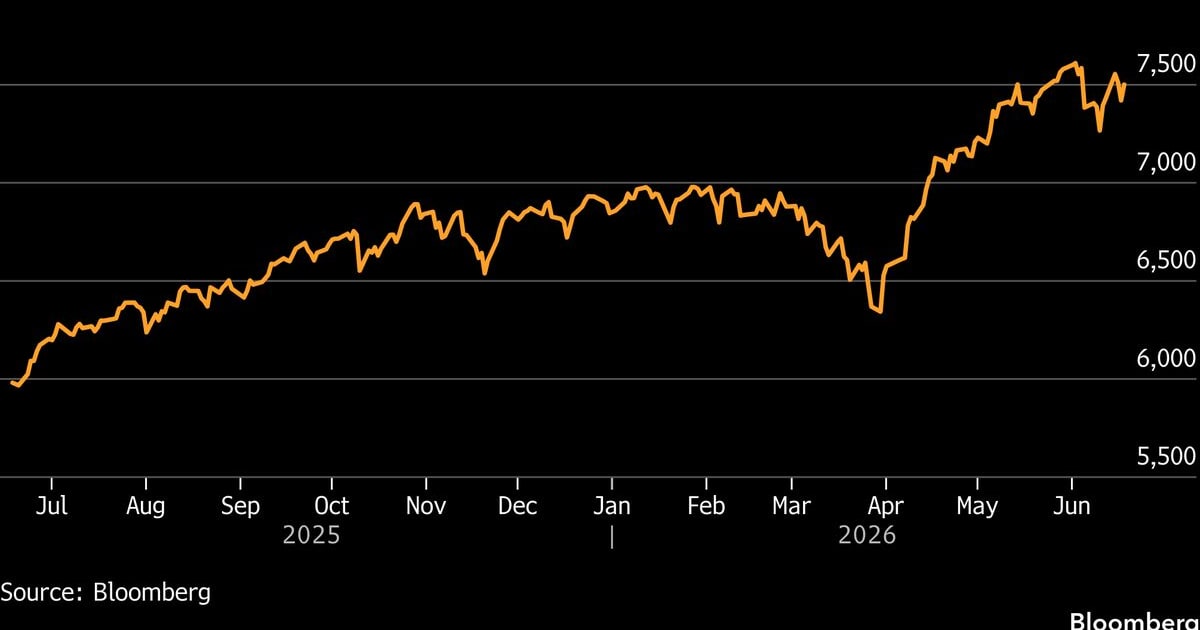
The potential thawing of US-Iran relations at the Strait of Hormuz promises to stabilize global energy markets. For Indian investors, this represents a structural shift that could lower inflation, support the Rupee, and trigger a significant re-rating of oil-sensitive sectors.
The Strait of Hormuz: Why This Geopolitical Shift Matters to Your Portfolio
The Strait of Hormuz is more than a waterway; it is the jugular vein of the global economy. With approximately 20-30% of the world’s total oil consumption passing through this narrow passage daily, any signal of de-escalation between the US and Iran carries profound implications for the Indian equity market. As a net importer of crude oil—sourcing over 85% of its requirements from abroad—India’s current account deficit (CAD) and fiscal health are intrinsically linked to the volatility of this region.
Historically, when tensions in the Middle East flare, Brent crude prices spike, leading to a 'double whammy' for India: a weakening Rupee and imported inflation. Conversely, a sustained peace deal would likely recalibrate oil prices downward, providing the Reserve Bank of India (RBI) with the policy room necessary to manage interest rates more effectively. For the informed investor, this isn't just about geopolitics; it’s about the fundamental repricing of risk across the Nifty 50.
How will a US-Iran peace deal impact Indian oil marketing stocks?
Oil Marketing Companies (OMCs) are the primary beneficiaries of a cooling oil market. Unlike upstream players who profit from high realization prices, OMCs operate on marketing margins that are squeezed when crude prices remain elevated for prolonged periods. When oil prices soften due to increased supply clarity from Iran, the under-recoveries of OMCs like IOCL and BPCL shrink, leading to a direct expansion in their EBITDA margins.
Looking back at the 2022 energy crisis, when Brent crude breached $120 per barrel, Indian OMCs saw their P/E ratios compress significantly as market sentiment turned bearish on their margin sustainability. A return to stability in the Strait of Hormuz could reverse this trend, allowing OMCs to improve their return on equity (RoE) profiles, which currently hover in the 12-15% range for industry leaders.
Sector-Level Breakdown: Winners and Losers
The market impact of a peace deal is bifurcated. While the energy-intensive sectors gain, the traditional 'safe-haven' assets and upstream energy producers face headwinds.
The Winners:
- Aviation (IndiGo): Jet fuel (ATF) accounts for nearly 40% of an airline's operating cost. Lower crude prices provide an immediate boost to bottom-line profitability.
- Paint & Tyre Manufacturers: Both sectors rely on crude-derived petrochemicals as raw materials. A sustained dip in oil prices acts as a margin expansion catalyst.
- Consumer Discretionary: Lower inflation translates to higher disposable income for the Indian middle class, fueling demand for consumer goods.
The Losers:
- Upstream Energy (ONGC, Oil India): These companies benefit from high crude realizations. A peace-induced price drop directly impacts their top-line revenue and net profit growth.
- Gold: As a traditional hedge against geopolitical uncertainty, gold prices often retreat when regional stability is restored, potentially hurting domestic gold-linked financial instruments.
Stock-by-Stock Analysis: Where the Smart Money is Moving
"The market is currently pricing in a high-risk premium for the Strait of Hormuz. A resolution would trigger a rapid unwinding of this premium, favoring stocks that have been beaten down by high input costs." — WelthWest Research Desk
1. IOCL (Indian Oil Corporation): With a market cap of over ₹2.2 lakh crore, IOCL is the proxy for Indian fuel demand. A drop in crude prices allows for better inventory valuation and margin stability. Watch for: Gross Refining Margins (GRM) improving as crude supply stabilizes.
2. BPCL (Bharat Petroleum): Historically more sensitive to marketing margins than its peers. A peace deal could see a significant re-rating, moving the stock closer to its historical P/B of 2.0x.
3. InterGlobe Aviation (IndiGo): With over 60% market share in India, IndiGo is the primary play on reduced fuel costs. Investors should monitor the spread between Brent crude and ATF prices.
4. ONGC (Oil & Natural Gas Corp): The contrarian view. While earnings may dip, ONGC’s massive dividend yield (often 5-7%) provides a defensive floor. Investors should look to trim exposure if the price drop exceeds 15% from current highs.
The Expert Perspective: Bull vs. Bear Case
The Bull Case: Bulls argue that the geopolitical risk premium in crude is currently inflated by $10-$15 per barrel. A peace deal would trigger a 'mean reversion' in oil prices, acting as a massive tax cut for the Indian economy and driving a Nifty surge toward new highs.
The Bear Case: Skeptics point to the fragility of Middle Eastern diplomacy. They argue that any breakdown in negotiations or a failure to implement the deal could lead to a 'bull whip' effect, where oil prices spike higher than pre-deal levels, catching investors off guard.
Actionable Investor Playbook
Investors should adopt a 'barbell' strategy. Increase exposure to high-beta, oil-sensitive stocks (Aviation and Paints) while maintaining a core holding in OMCs for potential dividend upside. Avoid over-leveraging in upstream energy stocks until the price floor of Brent crude is established post-deal.
Risk Matrix: Navigating the Uncertainty
| Risk Factor | Probability | Impact |
|---|---|---|
| Deal Collapse | Medium | High |
| Supply Chain Disruption | Low | Very High |
| Inflationary Persistence | Medium | Moderate |
What to Watch Next
Keep a close eye on the upcoming OPEC+ meetings and any official communiqués regarding the lifting of sanctions on Iranian crude exports. These are the primary catalysts that will dictate the speed and intensity of the market reaction. Additionally, watch the RBI’s next monetary policy statement for any hints that the cooling oil prices have influenced their inflation outlook.
See IOCL's AI Score
Our algorithmic screener scores IOCL on fundamentals, momentum, and risk — free to try, no card needed.
Try the AI Screener →Have questions about this story?
Ask Welth, our finance-focused AI research assistant, for a deeper breakdown — free trial included.
Chat with Welth AI →Disclaimer: This content is generated by WelthWest Research Desk based on publicly available reports and is for informational purposes only. It does not constitute financial advice, investment recommendations, or an offer to buy or sell securities. Always consult a qualified financial advisor before making investment decisions.
