Key Takeaway
The reopening of the Strait of Hormuz effectively removes the 'geopolitical risk premium' from crude oil, setting the stage for a structural margin expansion across India’s consumption-heavy sectors and a potential pivot in RBI rate policy.
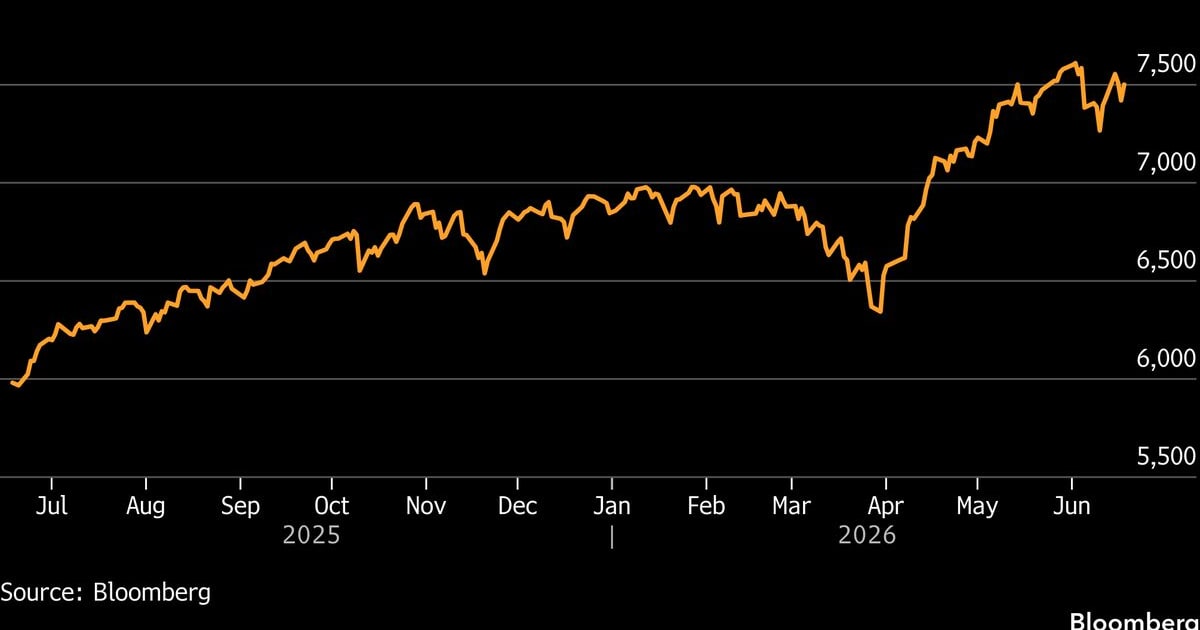
With the Strait of Hormuz stabilized, global oil prices are set to cool, offering a massive tailwind for the Indian economy. From OMCs to FMCG, we analyze the winners, losers, and the critical risks that could derail this market rally.
The Geopolitical Pivot: Why Hormuz Matters for Your Portfolio
For the past decade, the Strait of Hormuz has functioned as the world’s most volatile economic choke point. Through this narrow 21-mile passage, nearly 20% of global petroleum liquids flow daily. The recent US-Iran peace accord is not merely a diplomatic milestone; it is a fundamental recalibration of the global energy risk premium. By eliminating the 'fear premium'—which historically adds $5 to $12 per barrel to Brent Crude—the deal provides immediate relief to India’s import-heavy macroeconomic framework.
For a nation that imports over 85% of its crude requirements, a sustained drop in oil prices acts as a massive fiscal stimulus. When oil prices fell sharply in Q3 2022, the Nifty 50 saw a 7% rally within six weeks, driven by margin expansion in downstream sectors. We are currently observing a similar setup, where the reduction in landed costs of crude will directly bolster the current account deficit and provide the Reserve Bank of India (RBI) the headroom to pivot from a restrictive interest rate regime to a neutral or dovish stance.
How will lower oil prices affect the RBI and bank stocks?
The correlation between oil prices and the Indian Rupee (INR) is inverse and highly elastic. A stable INR, buoyed by a narrowing trade deficit, reduces imported inflation. As headline CPI cools, the RBI’s Monetary Policy Committee (MPC) will likely shift focus from inflation containment to growth stimulation. This is a net positive for banking stocks (HDFC Bank, ICICI Bank), as lower interest rates typically spur credit demand and improve the net interest margins (NIMs) of private lenders as asset quality stabilizes.
Sectoral Deep Dive: Identifying the Winners and Losers
The market is currently mispricing the speed at which margin expansion will hit the bottom lines of Indian firms. We categorize the impact into three distinct tiers.
1. The Margin Expansion Beneficiaries (OMCs & Aviation)
Oil Marketing Companies (IOCL, BPCL, HPCL): These firms have historically struggled with 'under-recoveries' when global oil spikes. With crude prices stabilizing, their Gross Refining Margins (GRMs) are set to normalize at higher levels. IOCL (Market Cap: ~₹2.4 Trillion), with its massive refining capacity, is the primary beneficiary of reduced crude procurement costs.
Aviation (InterGlobe Aviation/IndiGo): Jet fuel (ATF) accounts for 35-40% of an airline's operating expenses. For IndiGo, a 10% reduction in ATF prices can translate to a 300-500 basis point expansion in EBITDAR margins. With a P/E ratio currently hovering near historical averages, the market has yet to fully price in the structural shift in fuel costs.
2. The Input-Cost Sensitive Segment (Paint & Tyre)
Asian Paints: As a crude-derivative intensive business, Asian Paints sees direct margin relief when the price of monomers and solvents drops. MRF, similarly, benefits from lower synthetic rubber and carbon black prices. Both companies are likely to see significant EPS upgrades as analyst models begin to reflect lower COGS (Cost of Goods Sold).
3. The Structural Losers (Upstream Oil)
ONGC: The primary loser in this scenario is the upstream producer. ONGC’s realizations are pegged to global crude prices. A decline in Brent translates directly to lower net realizations, compressing their EBITDA margins. While dividend yields remain attractive, the valuation multiples are likely to contract in the near term.
Stock-by-Stock Breakdown
- IOCL (NSE: IOC): The state-owned refining giant. Why: Direct beneficiary of lower crude inventory costs. Outlook: Bullish.
- InterGlobe Aviation (NSE: INDIGO): The dominant market leader. Why: Massive operating leverage as ATF prices decline. Outlook: Highly Bullish.
- Asian Paints (NSE: ASIANPAINT): Why: Lower raw material costs for chemical-based pigments. Outlook: Positive, watch for demand recovery.
- ONGC (NSE: ONGC): Why: Realization headwinds. Outlook: Neutral/Bearish; use as a hedge against energy volatility.
Expert Perspective: The Bull vs. Bear Debate
The current market sentiment is overwhelmingly bullish, but savvy investors must account for the 'Fragility Risk.'
The Bull Argument: Bulls argue that the Hormuz reopening is a structural shift that will lead to a 'Goldilocks' environment for India—moderate inflation, lower rates, and robust domestic consumption. They point to the 2022 recovery, suggesting that the Nifty could test all-time highs as FIIs (Foreign Institutional Investors) return to emerging markets.
The Bear Argument: Bears caution that the peace deal is fragile. Any escalation in regional proxy conflicts could lead to an immediate 'spike-back' in oil prices. Furthermore, if the global economy slows down, lower oil prices might signal 'demand destruction' rather than just a supply-side stabilization, which would be a negative indicator for corporate earnings.
Actionable Investor Playbook
- Buy the Dip in Aviation: Accumulate IndiGo on any volatility. Focus on a 12-18 month horizon as fuel savings hit the P&L.
- Rotation Strategy: Trim positions in Oil & Gas upstream stocks (ONGC/Oil India) and rotate into downstream OMCs (BPCL) and consumption-led sectors like FMCG.
- Watch the RBI: Monitor the next MPC meeting minutes. If the tone shifts from 'hawkish' to 'neutral,' increase exposure to interest-rate-sensitive stocks like HDFC Bank and major NBFCs.
Risk Matrix
- Diplomatic Breakdown (Probability: High): The deal faces intense internal political opposition in both the US and Iran. A collapse would trigger an immediate 15-20% spike in oil prices.
- OPEC+ Production Cuts (Probability: Medium): OPEC may counter the lower prices by slashing output to support their fiscal budgets, neutralizing the gains from the Hormuz reopening.
- INR Volatility (Probability: Low): If the US Fed maintains 'higher for longer' interest rates, the INR might remain weak despite lower oil prices, negating the expected trade balance benefits.
What to Watch Next
Investors should closely monitor the Brent Crude futures curve. A flattening of the curve indicates market confidence in the long-term stability of the Strait. Additionally, keep an eye on the US EIA weekly inventory reports and the RBI’s upcoming inflation commentary, as these will serve as the primary catalysts for institutional fund flows in the coming quarter.
See IOCL's AI Score
Our algorithmic screener scores IOCL on fundamentals, momentum, and risk — free to try, no card needed.
Try the AI Screener →Have questions about this story?
Ask Welth, our finance-focused AI research assistant, for a deeper breakdown — free trial included.
Chat with Welth AI →Disclaimer: This content is generated by WelthWest Research Desk based on publicly available reports and is for informational purposes only. It does not constitute financial advice, investment recommendations, or an offer to buy or sell securities. Always consult a qualified financial advisor before making investment decisions.
