Key Takeaway
The normalization of the Strait of Hormuz is a structural tailwind for India’s current account deficit. Investors should pivot toward energy-intensive sectors like aviation and OMCs while hedging against upstream producers.
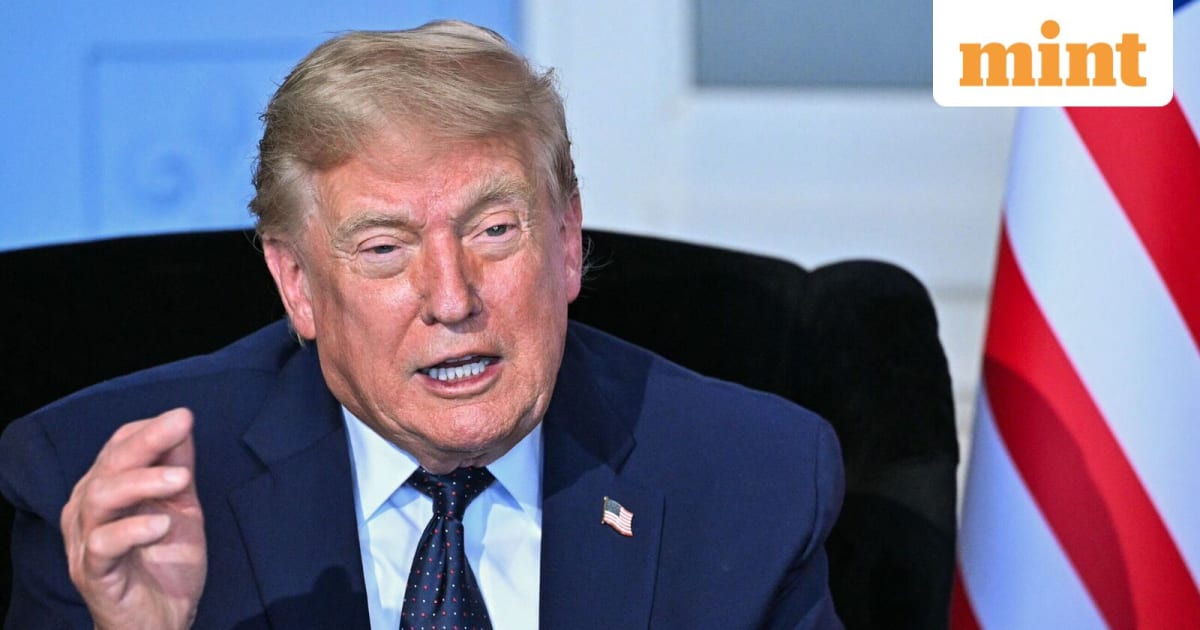
The US-Iran interim peace deal marks a pivotal shift in global energy security, effectively removing the geopolitical risk premium on crude oil. For India, a structural net importer, this translates into lower inflation, improved margins for refiners, and a potential boost to GDP growth. We break down the winners and losers in the Indian equity market.
The Geopolitical Pivot: What the Strait of Hormuz Reopening Means for India
For months, the global energy markets have been held hostage by the volatility surrounding the Strait of Hormuz—the world’s most critical oil chokepoint. With the US and Iran reaching an interim peace deal, the immediate reopening of this shipping lane represents more than just a diplomatic breakthrough; it is a macroeconomic catalyst for the Indian economy.
India imports over 85% of its crude oil requirements, making it uniquely sensitive to the 'geopolitical risk premium' that has inflated prices throughout the last fiscal year. By securing the flow of nearly 20 million barrels per day through the Strait, global supply chains are stabilizing, and the downward pressure on crude prices is already visible in Brent futures. For the Indian investor, this is the beginning of a sector rotation toward high-beta, energy-dependent stocks.
How will the drop in oil prices impact the Indian stock market?
History provides a clear roadmap. When oil prices moderated during previous supply chain normalization periods—most notably in early 2022—the Nifty 50 saw a distinct expansion in P/E multiples for the FMCG and Aviation sectors. The logic is linear: lower crude prices lead to lower logistics costs, higher disposable income for consumers, and improved operating margins for manufacturing-heavy sectors.
The current account deficit (CAD), a persistent thorn in the side of the RBI, is projected to narrow by 40-60 basis points if oil prices sustain these lower levels. This provides the Monetary Policy Committee (MPC) with the 'inflationary headroom' needed to potentially pivot toward a more dovish stance, benefiting interest-rate-sensitive stocks in the banking and NBFC sectors.
Sectoral Deep Dive: Winners and Losers
The market is currently mispricing the duration of this energy deflation. While the Street is focused on the short-term news cycle, the structural benefit to Indian refiners and downstream consumers is significant.
The Winners: OMCs and Downstream Manufacturers
- Oil Marketing Companies (BPCL, HPCL, IOCL): These companies stand to benefit from a dual-tailwind: lower inventory costs and higher marketing margins. As oil prices stabilize, the government’s reliance on these companies to absorb losses decreases, allowing for more transparent pricing models.
- Aviation (InterGlobe Aviation/IndiGo): Jet fuel (ATF) accounts for roughly 40% of an airline's operating cost. A sustained 10% drop in crude prices can lead to a 3-5% expansion in EBITDAR margins for IndiGo, making it the primary beneficiary of this geopolitical thaw.
- Paints & Tires (Asian Paints, Berger Paints, MRF): Crude oil derivatives (like titanium dioxide for paints and synthetic rubber for tires) represent a massive portion of raw material costs. Lower oil prices will lead to a rapid expansion in gross margins for these players.
The Losers: Upstream Exploration and Safe Havens
The inverse is true for ONGC and Oil India. These companies operate on a 'net realization' basis; as global oil prices fall, their revenue per barrel declines. Additionally, gold prices, which have been acting as a safe-haven hedge against the Iran conflict, are likely to face selling pressure as risk-on sentiment returns to global indices.
Stock-by-Stock Analysis: The Investor Playbook
1. BPCL (NSE: BPCL)
With a market cap of ~₹1.3 lakh crore, BPCL is our top pick in the OMCs. Historically, BPCL has shown the highest beta to crude price corrections. If oil sustains below $75/barrel, look for a re-rating in their marketing margins.
2. InterGlobe Aviation (NSE: INDIGO)
IndiGo’s dominant market share allows it to retain margin gains rather than passing them all to the consumer. With a P/E currently trading at a premium, the earnings growth from lower fuel costs justifies the valuation.
3. Asian Paints (NSE: ASIANPAINT)
After a period of margin compression due to input cost inflation, Asian Paints is entering a cycle of margin recovery. Watch for Q3 results to show a significant uptick in EBITDA per liter.
4. ONGC (NSE: ONGC)
While a 'sell' for momentum traders, ONGC remains a dividend play. However, in the current environment, investors should trim exposure to upstream players as the windfall tax regime remains a persistent threat to earnings.
The Contrarian Perspective: Why the Bears are Skeptical
The bear case rests on the 'fragility of the interim.' Geopolitical analysts argue that the reopening of the Strait is a tactical move rather than a strategic resolution. If the deal collapses—a high-probability risk given the historical volatility of Iran-US relations—we could see a 'snap-back' rally in oil prices, potentially more violent than the initial decline. Investors should maintain a stop-loss strategy for all energy-dependent long positions.
Risk Matrix
| Risk Factor | Probability | Impact |
|---|---|---|
| Deal Collapse/Violation | Medium | High (Sharp Oil Spike) |
| OPEC+ Production Cuts | Low | Medium (Price Floor) |
| Currency Volatility (INR/USD) | Medium | Medium (Import Costs) |
What to Watch Next
Keep a close watch on the upcoming RBI Monetary Policy Committee meeting—any mention of the 'imported inflation' cooling will be the signal for a broader market rally. Additionally, monitor the weekly EIA crude inventory data from the US; if inventories build faster than expected, it confirms the stabilization of the supply chain through the Strait of Hormuz, providing the fundamental backing for further gains in paint and aviation stocks.
See BPCL's AI Score
Our algorithmic screener scores BPCL on fundamentals, momentum, and risk — free to try, no card needed.
Try the AI Screener →Have questions about this story?
Ask Welth, our finance-focused AI research assistant, for a deeper breakdown — free trial included.
Chat with Welth AI →Disclaimer: This content is generated by WelthWest Research Desk based on publicly available reports and is for informational purposes only. It does not constitute financial advice, investment recommendations, or an offer to buy or sell securities. Always consult a qualified financial advisor before making investment decisions.
