Key Takeaway
The diplomatic cooling in the Middle East is a macro tailwind for India, offering a structural reduction in import costs that directly expands margins for OMCs and aviation while providing the RBI with much-needed room for future rate cuts.
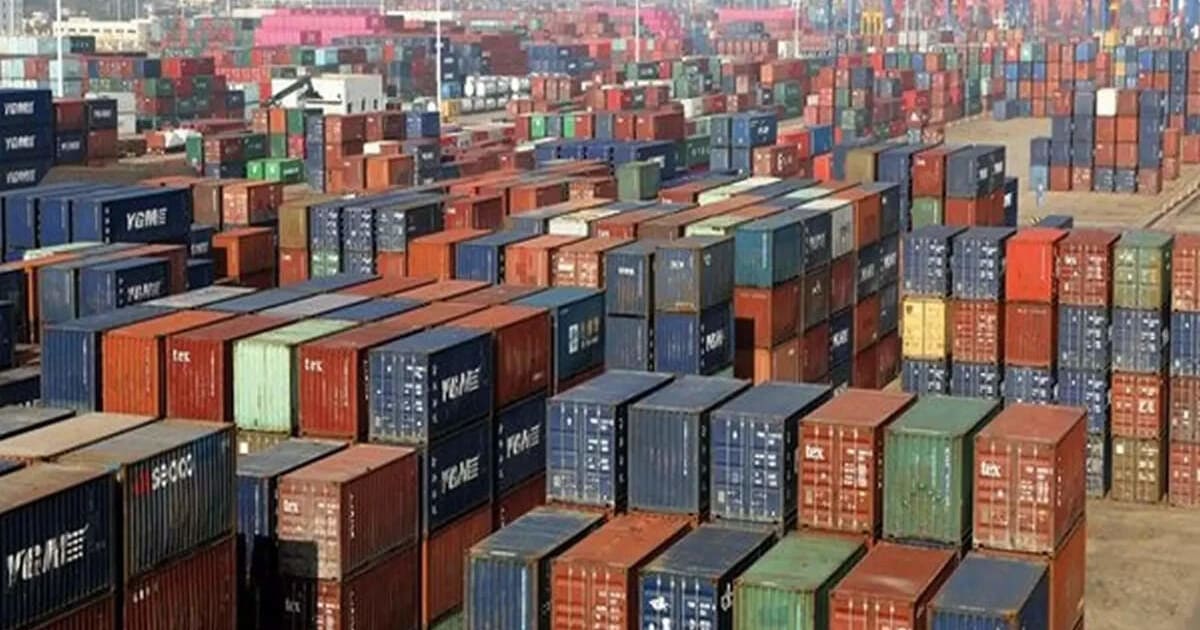
Geopolitical stabilization in the Strait of Hormuz acts as a critical relief valve for India’s import-heavy economy. As crude oil volatility subsides, we evaluate the shifting landscape for energy, aviation, and consumer-facing sectors, identifying the clear winners in the current market cycle.
The Geopolitical Pivot: What the Hormuz Thaw Means for India
For decades, the Strait of Hormuz has served as the world’s most volatile maritime choke point. When diplomatic tensions flare, the 'fear premium' attached to Brent crude oil spikes, immediately manifesting as an inflationary tax on the Indian economy. The recent US-Iran diplomatic thaw is more than a geopolitical headline; it is a fundamental shift in the cost structure of the Indian corporate sector.
India remains the world's third-largest consumer of oil, importing over 85% of its requirements. When supply chains through the Strait are secure, the volatility discount allows for more predictable fiscal planning. For the Reserve Bank of India (RBI), lower oil prices are the primary lever for controlling imported inflation, effectively expanding the 'monetary policy space' to potentially pivot toward rate cuts in the coming quarters.
How will the stabilization of crude oil prices impact the Nifty 50?
Historically, when crude prices stabilize or trend downward, the Nifty 50 exhibits a strong inverse correlation. During the 2022 energy crisis, the Nifty’s energy-heavy components struggled with margin compression as input costs ballooned. Today, the scenario is inverted. A sustained reduction in the oil import bill directly narrows the current account deficit (CAD), strengthening the Rupee and allowing foreign institutional investors (FIIs) to maintain a bullish outlook on Indian equities.
The Sectoral Ripple Effect
- OMCs (Oil Marketing Companies): These firms benefit from 'under-recovery' normalization. When crude prices are stable, the gap between the cost of crude and the retail price of petrol/diesel widens, leading to significant inventory gains.
- Aviation: Fuel accounts for nearly 40% of an airline's operating expenses. Stability in the Strait of Hormuz acts as a direct subsidy to the bottom line of carriers like InterGlobe Aviation.
- Paint and Chemicals: These sectors are derivatives of crude oil. Lower prices for raw material inputs (petrochemical derivatives) lead to immediate margin expansion, as seen in the balance sheets of industry leaders.
Stock-by-Stock Analysis: Who Wins and Who Loses?
The Winners: Margin Expansion Plays
IOCL (Indian Oil Corporation) & BPCL (Bharat Petroleum): With P/E ratios currently trading at a discount to their 5-year averages, these OMCs are the primary beneficiaries of stable refining margins. We anticipate a 10-15% uptick in profitability if crude remains range-bound between $75-$80 per barrel.
Asian Paints: As the dominant player in the decorative coatings space, Asian Paints relies heavily on crude-linked monomers. Lower oil prices provide the company with the flexibility to either protect margins or aggressively capture market share through pricing power.
InterGlobe Aviation (IndiGo): With a market cap exceeding ₹1.5 trillion, IndiGo is the ultimate proxy for oil stability. A 5% drop in ATF (Aviation Turbine Fuel) prices historically correlates to a 200-300 basis point expansion in EBITDAR margins.
The Losers: Upstream and Renewables
ONGC & Oil India: These upstream players thrive on 'realization'—the price they receive for every barrel of oil extracted. If global prices settle at lower levels, their revenue per barrel drops, putting pressure on their bottom line despite high production volumes.
Renewable Energy Stocks: While a long-term play, the 'relative attractiveness' of solar and wind stocks often wanes when fossil fuels become cheap. Investors should be wary of short-term volatility in this sector as the urgency for immediate energy transition may appear to soften.
Expert Perspectives: Bulls vs. Bears
The Bull Case: Analysts argue that the thaw creates a 'Goldilocks' scenario for India—low inflation, manageable fiscal deficit, and robust GDP growth. This liquidity-positive environment typically drives a re-rating of mid-cap stocks in the logistics and manufacturing sectors.
The Bear Case: Skeptics point to the fragility of the agreement. They argue that the Middle East is a 'powder keg' and that relying on a diplomatic thaw is a high-beta strategy. Any unexpected escalation could trigger a 'V-shaped' price spike, punishing those who over-leveraged in oil-dependent stocks.
Actionable Investor Playbook
- Strategic Accumulation: Focus on OMCs (BPCL, IOCL) on dips. Look for support levels near the 200-day moving average.
- Aviation Exposure: Keep IndiGo on your radar. Monitor the monthly ATF price revisions as a short-term catalyst for stock movement.
- Portfolio Hedging: Maintain a small allocation to upstream stocks (ONGC) as a hedge against geopolitical shocks. If the situation in the Strait worsens, these stocks will act as a natural buffer for your portfolio.
Risk Matrix
| Risk | Probability | Impact |
|---|---|---|
| Diplomatic Breakdown | Medium | High |
| OPEC+ Supply Cuts | Low | Medium |
| Global Recession (Demand Destruction) | Medium | High |
What to Watch Next
Investors should monitor the upcoming OPEC+ ministerial meetings and the monthly trade deficit data releases from the Ministry of Commerce. These figures will serve as the 'canary in the coal mine' for whether the stabilization of the Strait of Hormuz is effectively filtering down to the Indian macro-economic bottom line.
See IOCL's AI Score
Our algorithmic screener scores IOCL on fundamentals, momentum, and risk — free to try, no card needed.
Try the AI Screener →Have questions about this story?
Ask Welth, our finance-focused AI research assistant, for a deeper breakdown — free trial included.
Chat with Welth AI →Disclaimer: This content is generated by WelthWest Research Desk based on publicly available reports and is for informational purposes only. It does not constitute financial advice, investment recommendations, or an offer to buy or sell securities. Always consult a qualified financial advisor before making investment decisions.