Key Takeaway
Qatar’s shift toward a negotiated transit toll system removes a major 'tail-risk' of sudden supply blockades. For Indian investors, this stabilization favors downstream OMCs over upstream producers.
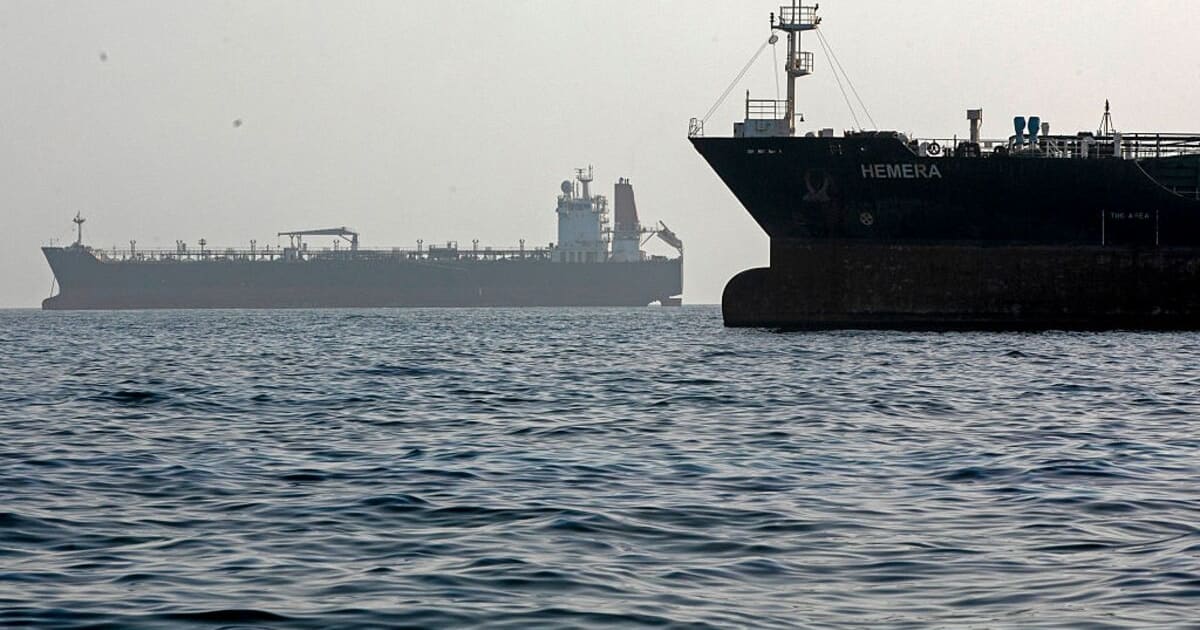
Qatar’s signaling of a potential compromise on Strait of Hormuz transit fees marks a critical shift in Middle Eastern maritime diplomacy. As a top importer of Persian Gulf energy, India’s energy security and inflation outlook now hinge on how these 'temporary' tolls are structured. We break down the winners, losers, and the actionable investment strategy for the Indian energy sector.
The Strait of Hormuz: A Geopolitical Bottleneck for India’s Energy
The Strait of Hormuz is not merely a maritime corridor; it is the jugular vein of the global economy. Approximately 21 million barrels of oil—nearly 20% of global consumption—and a significant portion of the world’s Liquefied Natural Gas (LNG) transit through this 21-mile-wide chokepoint daily. For India, which sources over 60% of its crude oil and a vast majority of its LNG imports from the Middle East, any volatility here is not just a headline—it is an inflationary threat to the domestic economy.
Recent signals from Doha regarding a potential compromise on 'temporary' transit tolls represent a strategic pivot. By moving from a stance of confrontation to one of negotiation, Qatar is attempting to de-escalate tensions that have long kept energy markets on edge. For the Indian investor, this is a transition from a 'high-volatility' regime to a 'managed-cost' regime, significantly altering the risk-reward profile of domestic energy equities.
How will the Strait of Hormuz toll compromise affect Indian energy stocks?
The immediate market reaction to geopolitical de-escalation is typically a compression in the 'geopolitical risk premium' embedded in crude prices. When the threat of a blockade recedes, oil prices often soften, providing a dual benefit to India: reduced import bills and lower retail inflation. However, the introduction of transit tolls creates a new structural cost. The market must now price in this 'toll-tax' against the benefit of guaranteed supply.
Historically, when tensions spiked in 2022, the Nifty Energy index experienced a sharp divergence between upstream and downstream players. We anticipate a similar, though less violent, repricing. Downstream Oil Marketing Companies (OMCs) stand to gain from reduced supply-chain uncertainty, while upstream producers may face margin pressure as global crude benchmarks (Brent/WTI) adjust to lower risk premiums.
Stock-by-Stock Breakdown: Winners and Losers
- Indian Oil Corporation (IOCL): As the nation’s largest refiner, IOCL benefits from stable crude procurement. A reduction in shipping volatility allows for better inventory management and margin forecasting. With a P/E ratio currently hovering near 5.5x, the stock remains a value play that rewards stability.
- Bharat Petroleum Corporation (BPCL): BPCL’s marketing margins are highly sensitive to crude price fluctuations. A stable transit environment allows for more predictable retail pricing, reducing the need for government intervention during supply crunches.
- Reliance Industries (RIL): With its massive Jamnagar refining complex, RIL is the most exposed to global refining margins (GRMs). While the toll might introduce a minor operational cost, the removal of blockade risk is a net positive for their complex, integrated value chain.
- Indraprastha Gas (IGL): As a City Gas Distributor, IGL relies on consistent LNG supplies. The stabilization of transit routes is a massive tailwind for their volume growth, as it ensures the availability of gas at a predictable price point for their industrial and CNG consumers.
Expert Perspective: The Bull vs. Bear Case
The Bull Case: Proponents argue that a formal toll system, even if 'temporary,' legitimizes transit rights. It provides a legal framework that prevents arbitrary blockades, effectively 'insuring' the flow of energy. For India, this stability is worth the marginal cost of a toll, as it prevents the catastrophic price spikes seen during previous geopolitical standoffs.
The Bear Case: Skeptics, however, warn of the 'precedent trap.' By accepting a temporary toll, the global community may inadvertently invite a permanent tax on energy transit. If these tolls are passed through to the end consumer, it could result in a permanent shift in India’s cost-of-living index, squeezing the margins of downstream players who cannot fully pass on these costs to inflation-sensitive consumers.
Actionable Investor Playbook
Investors should adopt a 'wait-and-watch' posture regarding the specific toll structure. If the tolls are pegged to a percentage of energy value, the impact will be negligible when oil is cheap but punitive when oil is expensive. Watch for the 200-day moving averages of IOCL and BPCL as entry points. A dip in oil prices (Brent < $75) combined with a favorable toll agreement would be an ideal accumulation zone.
Risk Matrix
| Risk Factor | Probability | Impact |
|---|---|---|
| Failure of Negotiations | Medium | High (Supply Disruption) |
| Toll Escalation | Low | Medium (Margin Compression) |
| Geopolitical Friction | Medium | High (Price Volatility) |
What to Watch Next
The next major catalyst will be the upcoming OPEC+ summit and any secondary statements from the International Maritime Organization (IMO) regarding the legality of these tolls. Watch the Nifty Energy index for a breakout above its current resistance levels; if the market perceives the toll as a 'peace dividend,' expect a rotation from defensive sectors back into high-beta energy stocks.
See IOCL's AI Score
Our algorithmic screener scores IOCL on fundamentals, momentum, and risk — free to try, no card needed.
Try the AI Screener →Have questions about this story?
Ask Welth, our finance-focused AI research assistant, for a deeper breakdown — free trial included.
Chat with Welth AI →Disclaimer: This content is generated by WelthWest Research Desk based on publicly available reports and is for informational purposes only. It does not constitute financial advice, investment recommendations, or an offer to buy or sell securities. Always consult a qualified financial advisor before making investment decisions.