Key Takeaway
Soaring wholesale sugar prices are a critical headwind for India's FMCG sector, directly threatening profit margins and potentially sparking consumer price hikes. Investors should brace for near-term earnings pressure on sugar-intensive packaged food companies and monitor broader inflationary trends.
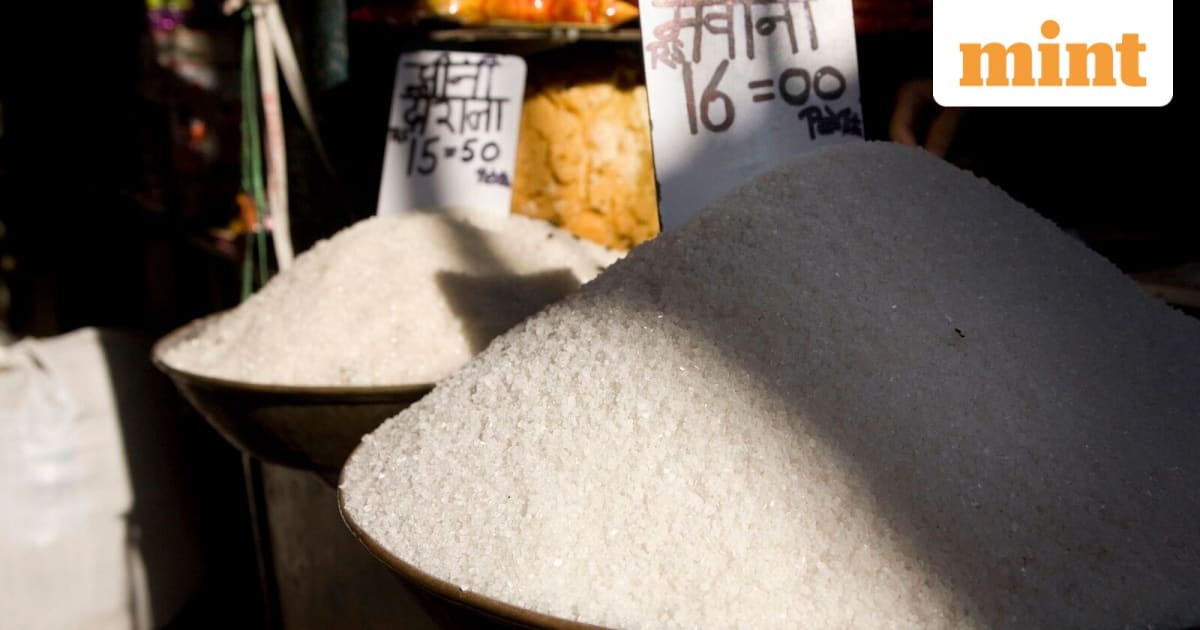
India's FMCG giants face a significant challenge as wholesale sugar prices spike, threatening to erode already tight profit margins. This comprehensive analysis explores the immediate and long-term implications for key Indian stocks like HUL, Nestle India, and Britannia, detailing how this cost pressure could translate into higher consumer prices and potentially dampen the nation's consumption recovery. We provide an actionable investor playbook and risk assessment for navigating this evolving scenario.
Sugar Shockwave: How Surging Wholesale Prices Threaten Indian FMCG Margins & Consumer Spending
The sweet spot for India's Fast-Moving Consumer Goods (FMCG) sector is rapidly turning sour. A sharp and sustained surge in wholesale sugar prices, a critical input for a vast array of packaged food and beverage products, is poised to exert significant pressure on corporate profit margins. This isn't just an isolated cost increase; it's a systemic challenge that could ripple through the entire consumption economy, potentially dampening India's nascent consumption recovery and fueling broader food inflation, a major concern for the Reserve Bank of India (RBI).
For investors, understanding the intricate dynamics of this sugar price surge is paramount. It dictates not only the immediate profitability of industry stalwarts but also the potential for consumer spending shifts and the trajectory of monetary policy. WelthWest Research Desk's deep dive reveals a complex interplay of supply-side constraints, global commodity trends, and domestic demand, all converging to create a challenging environment for one of India's most resilient sectors.
What's Fueling the Sugar Price Spike and Why It Matters Now?
The current upward trajectory in wholesale sugar prices isn't a sudden anomaly but rather the culmination of several factors. Global sugar production forecasts have been revised downwards, primarily due to adverse weather conditions in key producing regions like Brazil and Thailand. Domestically, while India typically maintains a robust sugar surplus, the market sentiment is influenced by global cues and the anticipation of potential export restrictions or changes in ethanol blending policies, which divert sugarcane towards fuel production rather than sugar. This confluence of factors has pushed wholesale sugar rates upwards by approximately 8-12% in recent weeks, with some regional variations seeing even sharper increases.
Why does this matter now, particularly for the Indian stock market? The timing is critical. FMCG companies have already been grappling with elevated input costs across various commodities – from palm oil to packaging materials – for the better part of the last 18-24 months. While some of these pressures had begun to ease, the fresh surge in sugar prices adds another layer of complexity. Sugar constitutes a significant proportion of raw material costs for categories like biscuits, confectionery, beverages, and dairy products. For companies with a higher skew towards these categories, the impact on Gross Margins (GM) and Earnings Before Interest, Taxes, Depreciation, and Amortization (EBITDA) margins will be immediate and pronounced. Unlike some other commodities where substitution is possible, sugar is often an indispensable ingredient, limiting manufacturers' flexibility to mitigate cost increases without product reformulation or price adjustments.
Deep Market Impact Analysis: Connecting Sugar to Indian Equities
The Indian FMCG sector, with a market capitalization exceeding INR 50 lakh crore (approximately $600 billion), is a cornerstone of the Nifty 50 and broader Indian equity indices. Its performance is often seen as a proxy for India's consumption story. A sustained squeeze on FMCG margins due to rising sugar prices could trigger a chain reaction across the market.
Historically, periods of significant input cost inflation have invariably led to margin contraction for FMCG players. For instance, during the commodity supercycle of 2021-2022, when crude oil, palm oil, and packaging material costs soared, many FMCG companies reported 200-400 basis points (bps) year-on-year declines in their Gross Margins. While companies eventually passed on some of these costs to consumers through price hikes, this process is rarely immediate or complete, leading to a lag in profitability. The current sugar price scenario mirrors these past challenges, albeit with a specific commodity focus.
The Nifty FMCG Index (NSE: NIFTYFMCG) has delivered robust returns over the past year, often seen as a defensive play during market volatility. However, sustained margin pressures could challenge this narrative. Analysts at WelthWest Research estimate that for every 10% increase in sugar costs, companies with high sugar exposure could see their EBITDA margins decline by an average of 50-70 basis points, assuming no immediate price pass-through. This translates directly to lower earnings per share (EPS) growth, which could prompt downward revisions in analyst consensus estimates, impacting stock valuations.
Moreover, the ripple effect extends beyond corporate earnings. Should FMCG companies opt for significant price increases to protect margins, it will directly contribute to food inflation. India's consumer price index (CPI) has been a key watch variable for the RBI, which has maintained a hawkish stance on interest rates to tame inflation. A fresh surge in food inflation, partly driven by sugar and other agricultural commodities, could complicate the RBI's efforts, potentially delaying anticipated interest rate cuts and impacting broader economic growth by increasing borrowing costs across sectors.
How Specific Indian FMCG Stocks Are Affected by Sugar Prices
The impact of rising wholesale sugar prices will not be uniform across the FMCG landscape. Companies with a higher proportion of sugar-intensive products in their portfolio will bear the brunt more directly. Here's a breakdown of how specific NSE/BSE listed stocks could be affected:
- Britannia Industries (NSE: BRITANNIA): As a leading biscuit and bakery products manufacturer, Britannia has significant exposure to sugar as a core ingredient. Biscuits, cakes, and rusks are all sugar-intensive. The company's Gross Margins, which stood at approximately 39-40% in recent quarters, could see pressure. While Britannia has a strong brand recall and pricing power, frequent price hikes can lead to demand elasticity, particularly in the mass-market segment. Investors will be closely watching its Q3 and Q4 FY24 results for margin commentary and pricing strategies. Britannia currently trades at a P/E ratio of around 50x, implying high growth expectations which could be challenged by margin compression.
- Nestle India (NSE: NESTLEIND): Known for products like Maggi, KitKat, and Nescafe, Nestle India's confectionery and beverage segments, including its popular dairy products and infant nutrition formulas, are significant consumers of sugar. While its diversified portfolio offers some insulation, the chocolate and beverage categories are particularly vulnerable. Nestle's premium positioning might allow for better price pass-through, but the sheer volume of sugar used across its product lines means any sustained increase will be a material cost headwind. Its robust operating margins, typically in the 23-25% range, could see a slight compression.
- Hindustan Unilever (NSE: HINDUNILVR): As India's largest FMCG company, HUL has a vast portfolio, including foods, beverages, home care, and personal care. Its food and refreshments segment, encompassing brands like Kwality Walls ice cream, Knorr soups, and various beverages, utilizes sugar extensively. While the sheer scale and diversification of HUL (market cap over INR 6 lakh crore) provide a buffer, the impact on its food division's profitability cannot be understated. HUL's ability to manage costs through supply chain efficiencies and judicious price increases will be crucial.
- Dabur India (NSE: DABUR): Dabur, with its focus on Ayurvedic and natural products, has a significant presence in health supplements, fruit juices (Real brand), and honey. Many of these products, particularly the juices and certain Ayurvedic formulations, contain sugar. While its healthcare portfolio might be less sensitive, the beverage segment will face direct pressure. Dabur's emphasis on value-added products could offer some pricing power, but the competitive landscape in juices is fierce.
- Marico (NSE: MARICO): While primarily known for edible oils (Saffola) and hair care (Parachute), Marico also has a presence in foods, including breakfast cereals and healthy snacks, some of which contain sugar. The direct impact might be less compared to pure-play biscuit or confectionery manufacturers, but it highlights the pervasive nature of sugar as an ingredient across various packaged food categories.
- Godrej Consumer Products (NSE: GODREJCP): Although less directly exposed to sugar as a primary input compared to food and beverage companies, Godrej Consumer Products' broader FMCG exposure means it operates within an environment where consumer wallets are under pressure from overall food inflation. A slowdown in discretionary spending due to higher essential food costs could indirectly affect demand for its personal care and home care products.
Expert Perspective: Bulls vs. Bears on FMCG and Sugar Costs
The debate among market experts regarding the long-term impact of rising sugar prices on the FMCG sector is nuanced, reflecting differing views on pricing power, demand elasticity, and the broader economic outlook.
The Bearish Argument: Bears contend that the current sugar price surge is more than a transient blip. They point to structural issues like climate change impacting agricultural yields globally and increasing diversion of sugarcane for ethanol. This suggests a 'new normal' of elevated sugar costs. For them, FMCG companies, particularly those with high sugar exposure, will face sustained margin pressure. They argue that while price hikes are inevitable, they will face consumer resistance, especially in rural and semi-urban markets where affordability is key. This could lead to volume de-growth, further impacting revenue and profitability. They foresee earnings downgrades for several key players and a potential derating of the Nifty FMCG index if the margin compression persists for multiple quarters. The risk of the RBI maintaining a hawkish stance for longer due to food inflation further dampens the outlook.
The Bullish Argument: Bulls, conversely, emphasize the inherent resilience and pricing power of established FMCG brands in India. They argue that while short-term margin pressure is undeniable, these companies have a proven track record of navigating commodity cycles. They expect a gradual pass-through of costs to consumers, possibly through calibrated price increases or 'shrinkflation' (reducing pack sizes while maintaining price points). Furthermore, they highlight the long-term structural growth drivers for Indian consumption – a young population, rising disposable incomes, and increasing urbanization. Any dip in earnings due to input costs is seen as a temporary blip, providing an opportune entry point for long-term investors. They also believe that the government might intervene with policy measures to stabilize domestic sugar prices if inflation becomes a significant concern, mitigating the worst-case scenario.
Actionable Investor Playbook: Navigating the Sugar-Induced Volatility
For investors seeking to navigate the current environment, a strategic and differentiated approach is essential:
- Identify High-Exposure Stocks: Prioritize companies with a significant portion of their revenue from sugar-intensive products (e.g., biscuits, confectionery, beverages). These are likely to experience the most immediate and severe margin pressure. Consider reducing exposure or maintaining a 'hold' stance until clearer visibility emerges on cost pass-through.
- Favor Diversified & Premium Players: Companies with diversified portfolios (like HUL) or those operating in premium segments (like Nestle India's high-value products) might have better resilience and pricing power. Their ability to absorb costs or pass them on without significant demand destruction is higher.
- Focus on Volume Growth & Market Share: While margins are important, companies that can maintain or grow volumes despite price increases demonstrate strong brand equity. Monitor quarterly results not just for margin numbers but also for volume growth trends.
- Watch for Price Action & Technical Levels: For affected stocks, look for support levels. A significant correction of 5-10% from recent highs might present a tactical entry point for long-term investors, assuming the underlying consumption story remains intact and commodity prices eventually stabilize. For instance, if Britannia or Nestle India correct towards their 200-day moving averages, it could be a level to watch.
- Consider Short-Term Hedging: For active traders, short-term put options on highly exposed FMCG stocks could offer a hedge against downside risk, especially ahead of quarterly earnings reports that will reflect the impact of higher input costs.
- Long-Term Horizon: For investors with a multi-year horizon, any temporary dip in FMCG stocks due to commodity inflation could be an accumulation opportunity, provided the company's fundamentals (brand strength, distribution, management quality) remain robust.
Risk Matrix: Assessing the Downside Potential
- Sustained Food Inflation (Probability: High): The primary risk is that the sugar price surge, combined with other agricultural commodity increases, leads to persistent and broad-based food inflation. This could erode household purchasing power, especially for lower-income segments, leading to a slowdown in discretionary spending across the economy. This has a direct bearing on FMCG demand.
- RBI Rate Hikes/Delayed Cuts (Probability: Medium): If food inflation remains elevated and threatens to de-anchor overall inflation expectations, the RBI might be compelled to maintain its hawkish monetary policy stance for longer, or even consider further rate hikes. This would increase borrowing costs for businesses and consumers, negatively impacting economic growth and potentially leading to a market-wide correction.
- Demand Elasticity & Volume De-growth (Probability: Medium): If FMCG companies resort to aggressive price hikes to protect margins, consumers, particularly in the value segment, might trade down to cheaper alternatives or reduce consumption. This could lead to a significant decline in sales volumes, offsetting any gains from higher prices and impacting revenue growth.
- Global Supply Chain Disruptions (Probability: Medium): Any further adverse weather events in key sugar-producing nations or geopolitical tensions impacting trade routes could exacerbate global sugar price volatility, making it even harder for Indian FMCG companies to plan and procure raw materials efficiently.
What to Watch Next: Catalysts and Data Releases
Investors should closely monitor several key indicators and upcoming events to gauge the evolving situation:
- Q3 and Q4 FY24 Earnings Season: The upcoming earnings calls for FMCG companies will be critical. Pay close attention to management commentary on raw material costs, particularly sugar, and their strategies for pricing and cost optimization. Specific guidance on margin outlooks will be pivotal.
- Wholesale Price Index (WPI) and Consumer Price Index (CPI) Data: Monthly releases of these inflation metrics, especially the food inflation component, will indicate the extent to which higher input costs are translating into broader price increases. The RBI's monetary policy decisions are heavily influenced by these numbers.
- Government Policy Announcements: Any statements or policy changes from the Indian government regarding sugar exports, ethanol blending targets, or buffer stock management will directly influence domestic sugar prices and market sentiment.
- Global Sugar Production Forecasts: Updates from international agricultural bodies on global sugar output, particularly from Brazil and Thailand, will provide insights into the future supply-demand balance and potential price movements.
- Monsoon Performance: The health of the upcoming monsoon season in India is crucial for sugarcane cultivation. A weaker monsoon could lead to lower yields, further exacerbating domestic supply concerns.
The current sugar price surge is a potent reminder of the interconnectedness of global commodity markets and their direct impact on corporate profitability and consumer welfare in India. While the FMCG sector has historically demonstrated resilience, the coming quarters will test its ability to navigate this 'sweet' challenge effectively.
See HUL's AI Score
Our algorithmic screener scores HUL on fundamentals, momentum, and risk — free to try, no card needed.
Try the AI Screener →Have questions about this story?
Ask Welth, our finance-focused AI research assistant, for a deeper breakdown — free trial included.
Chat with Welth AI →Disclaimer: This content is generated by WelthWest Research Desk based on publicly available reports and is for informational purposes only. It does not constitute financial advice, investment recommendations, or an offer to buy or sell securities. Always consult a qualified financial advisor before making investment decisions.