Key Takeaway
The EU's regulatory hammer against Temu marks the end of the 'unchecked growth' era for cross-border discount e-commerce. For Indian investors, this creates a structural moat for organized domestic retailers as global scrutiny mandates higher compliance costs and quality standards.
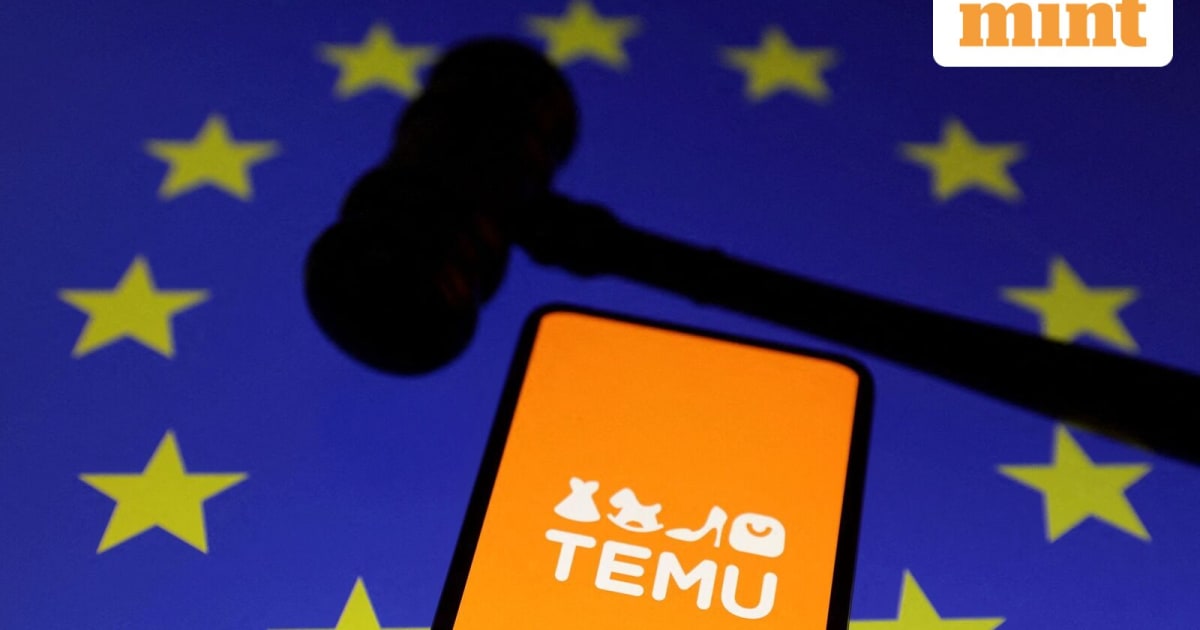
The European Union’s €200 million penalty against Temu under the Digital Services Act is more than a regional fine; it is a global inflection point. As regulators pivot toward strict oversight of low-cost, high-volume imports, the Indian retail sector stands to gain from a shift in consumer preference toward established, compliant domestic players.
The End of 'Fast-Fashion' Arbitrage? Decoding the Temu EU Fine
The European Union has officially imposed a €200 million fine on Temu for failing to comply with the Digital Services Act (DSA). While the headlines focus on the penalty amount, the real story lies in the precedent: the era of 'regulatory dark zones' for hyper-growth, cross-border e-commerce platforms is effectively over. This shift is not merely a European concern; it is a global warning shot that directly impacts the competitive landscape of the Indian retail market.
For years, platforms like Temu leveraged logistics arbitrage and minimal compliance overhead to undercut local manufacturing. By forcing these entities into the regulatory light, the EU is effectively raising their cost of doing business. In India, where the government has already signaled a cautious approach toward rapid-fire delivery and aggressive discounting, this development provides the policy cover needed to protect domestic value chains.
How Does Global Regulatory Scrutiny Reshape the Indian E-commerce Landscape?
The global retail ecosystem is witnessing a transition from 'growth-at-all-costs' to 'compliance-as-a-moat.' When we look at the Indian market, the impact is twofold. First, it forces a re-valuation of the 'quick-commerce' and 'discount-retail' thesis. If international players are forced to spend significantly on data protection, product safety, and supply chain transparency, their price advantage over Indian organized retail—such as DMart or Reliance Retail—will inevitably shrink.
Historical parallels suggest that when regulatory barriers rise, domestic incumbents benefit from the resulting 'flight to quality.' During the 2022 regulatory tightening on digital lending apps, we saw a massive migration of user trust toward regulated banking entities. We anticipate a similar trend in retail: as concerns over product quality and data privacy grow, the Indian consumer will lean further into trusted, brick-and-mortar-backed digital brands.
Stock-by-Stock Breakdown: Who Gains and Who Loses?
1. Avenue Supermarts (DMart - NSE: DMART)
DMart remains the gold standard for organized value retail. With a P/E ratio consistently hovering in the 100x+ range, the market pays a premium for its supply chain efficiency. If global discount platforms face compliance headwinds, DMart’s moat—built on low-cost operations and high inventory turnover—becomes even more impenetrable. Its ability to maintain margins while competitors struggle with regulatory overhead is a major bullish signal.
2. Zomato (Blinkit - NSE: ZOMATO)
As the leader in the quick-commerce space, Zomato’s Blinkit is essentially an urban convenience play. While not directly competing with cross-border fashion, the regulatory scrutiny on 'dark patterns' and consumer protection (a core pillar of the EU fine) will force Blinkit to refine its service models. Investors should watch for increased opex as they preemptively align with tighter Indian consumer protection laws.
3. Trent Ltd (NSE: TRENT)
Trent (the retail arm of the Tata Group) is the primary beneficiary of the 'premium-ization' of Indian retail. As global platforms face scrutiny, Trent’s Zudio and Westside brands are perfectly positioned to capture the mid-market segment. Their robust offline presence serves as a natural hedge against the digital regulatory volatility impacting global peers.
4. Reliance Retail (Unlisted/Reliance Industries - NSE: RELIANCE)
Reliance Retail’s massive scale allows it to absorb compliance costs that would crush smaller players. As the regulatory bar rises, Reliance’s ability to integrate supply chain transparency becomes a competitive weapon, likely forcing further consolidation in the fragmented Indian retail market.
The Expert Perspective: Bull vs. Bear
The Bull Case: Proponents argue that this is a long-overdue correction. Bulls believe that by curbing the predatory pricing of unregulated cross-border imports, the government will effectively subsidize the growth of domestic manufacturing, leading to a massive re-rating of Indian retail stocks over the next 24-36 months.
The Bear Case: Skeptics, however, warn of 'regulatory contagion.' They argue that if India follows the EU’s lead too aggressively, it could lead to retaliatory trade barriers or supply chain bottlenecks that could temporarily increase inflation for low-cost household goods, hitting the bottom lines of retailers who rely on imported components.
Actionable Investor Playbook
- Watch the Margin Expansion: Monitor the next two quarters for margin stability in organized retail. If companies can maintain margins despite rising compliance costs, they are winning.
- Focus on Domestic Sourcing: Shift portfolio allocation toward retailers with high 'Made in India' ratios. These companies are insulated from global trade disruptions.
- Time Horizon: This is a structural, long-term theme (3-5 years). Do not trade the noise; invest in the trend of 'compliant growth.'
Risk Matrix
| Risk Factor | Probability | Impact |
|---|---|---|
| Supply Chain Disruption | Moderate | High |
| Retaliatory Trade Tariffs | Low | Medium |
| Regulatory Overreach (Domestic) | Moderate | High |
What to Watch Next
Investors should track upcoming Ministry of Commerce notifications regarding e-commerce FDI policy. Any move to link platform accountability with import duty structures will be the next major catalyst. Monitor the Nifty Retail Index performance against the broader Nifty 50; a sustained outperformance by retail will indicate that the market has priced in the regulatory tailwinds.
See Zomato (Blinkit)'s AI Score
Our algorithmic screener scores Zomato (Blinkit) on fundamentals, momentum, and risk — free to try, no card needed.
Try the AI Screener →Have questions about this story?
Ask Welth, our finance-focused AI research assistant, for a deeper breakdown — free trial included.
Chat with Welth AI →Disclaimer: This content is generated by WelthWest Research Desk based on publicly available reports and is for informational purposes only. It does not constitute financial advice, investment recommendations, or an offer to buy or sell securities. Always consult a qualified financial advisor before making investment decisions.
