Key Takeaway
The GENIUS Act forces a 'bank-grade' compliance standard on stablecoins, effectively ending the era of anonymous crypto flows. For Indian investors, this catalyzes a flight toward regulated fintech platforms while increasing the compliance moat for established financial infrastructure providers.
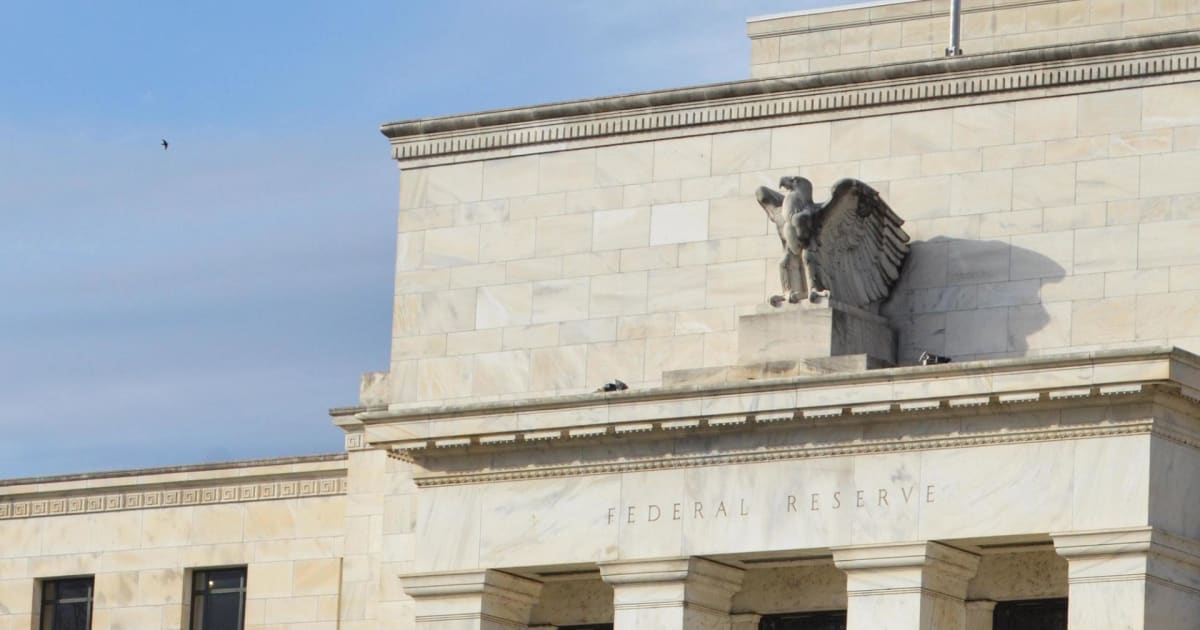
U.S. legislative moves to impose KYC/AML standards on stablecoin issuers signal a paradigm shift toward institutionalized crypto assets. This deep dive examines the ripple effects on the Indian stock market, assessing the winners and losers as the regulatory net tightens globally.
The GENIUS Act: Institutionalizing the Digital Frontier
The global financial landscape is currently undergoing a structural transformation as the U.S. moves to bring stablecoin issuers under the same regulatory scrutiny as traditional deposit-taking institutions. The proposed GENIUS Act is not merely a piece of technical legislation; it is a signal that the 'Wild West' era of decentralized finance (DeFi) is being forcibly integrated into the global banking architecture. For the Indian investor, this development is critical, as the Reserve Bank of India (RBI) and SEBI have historically utilized U.S. regulatory frameworks as a roadmap for domestic policy implementation.
Why does this matter now? Stablecoins serve as the liquidity bridge between fiat and crypto. By enforcing strict KYC/AML (Know Your Customer/Anti-Money Laundering) mandates, the U.S. is effectively cutting off the oxygen for shadow-banking protocols. As capital flows become transparent, we expect a massive reallocation of assets toward regulated entities that can navigate this high-compliance environment.
How will the GENIUS Act impact Indian financial market stability?
Historically, when global regulatory pressure mounts, emerging markets like India see an initial contraction in speculative volume followed by a long-term surge in institutional participation. In 2022, following the collapse of major offshore exchanges, Indian trading volumes on unregulated platforms plummeted by over 60%, while retail interest shifted toward regulated brokerage platforms. The GENIUS Act will likely accelerate this trend, as the cost of non-compliance becomes prohibitive for smaller, offshore crypto entities.
The impact on the Indian market will be bifurcated. We anticipate a tightening of speculative flows, which may dampen short-term volatility, but the long-term benefit is a clearer framework for institutional adoption. As the RBI continues its pilot of the Central Bank Digital Currency (CBDC), the institutionalization of private stablecoins via the GENIUS Act provides the necessary guardrails for the Indian government to integrate blockchain assets into the mainstream financial stack.
Sector-Level Breakdown: Winners and Losers
The market is currently mispricing the resilience of traditional financial infrastructure providers. Under a stringent KYC/AML regime, the winners are clear:
- Regulated Fintech Platforms: Firms that already possess banking-grade compliance infrastructure will see increased market share as smaller, non-compliant peers are forced to exit.
- Financial Infrastructure & Depositories: Companies that maintain the ledger of ownership for securities are natural beneficiaries of increased transparency.
- Cybersecurity Firms: As compliance becomes mandatory, the demand for robust identity verification and AML-monitoring software will surge.
Conversely, the losers include decentralized protocols that rely on anonymity and offshore exchanges that lack the capital to invest in sophisticated compliance departments.
Stock-by-Stock Analysis: NSE/BSE Opportunities
Investors should monitor the following companies as the regulatory landscape shifts:
- CDSL (Central Depository Services Ltd): As the primary infrastructure for digital asset holding in India, CDSL stands to benefit if the government mandates that virtual digital assets (VDAs) be held in standardized, regulated repositories. With a P/E ratio hovering around 45x, it remains a premium play on financial digitization.
- BSE Ltd: As the exchange looks to expand its digital asset offerings, its existing regulatory compliance framework gives it a significant edge over speculative crypto-only startups. Its revenue diversification strategy makes it a defensive play in this volatile sector.
- Angel One: With a massive retail base and a robust tech stack, Angel One is well-positioned to pivot into regulated crypto-asset trading if the regulatory framework clarifies. Their ability to cross-sell financial products provides a moat that pure-play crypto exchanges lack.
- 5Paisa Capital: As a digital-first broker, 5Paisa benefits from the migration of retail capital from unregulated crypto apps to compliant, SEBI-registered platforms. Their low-cost model is built for scale in a highly regulated environment.
Expert Perspectives: Bulls vs. Bears
The bulls argue that the GENIUS Act is the 'SEC approval' moment for stablecoins, paving the way for massive institutional capital inflows and legitimizing the sector. The bears, however, contend that over-regulation will lead to 'regulatory arbitrage,' where capital simply migrates to jurisdictions like the UAE or Singapore, leaving domestic markets with high compliance costs and stagnant innovation.
The truth likely lies in the middle. While some capital will flee, the institutional 'smart money' requires the legal certainty that only strict regulation can provide. We believe the medium-term impact is bullish for entities that bridge the gap between traditional finance and blockchain.
Actionable Investor Playbook
For investors looking to position themselves for this shift, we recommend a three-pronged approach:
- Accumulate Regulated Infrastructure: Focus on companies with high moat-building potential, such as CDSL, which benefits regardless of which specific crypto assets gain traction.
- Monitor Regulatory Arbitrage: Watch for shifts in the RBI’s stance on 'Virtual Digital Assets.' If the RBI pushes for a more restrictive framework than the U.S., pivot toward cash-rich, low-debt fintech stocks.
- Time Horizon: This is a 24-36 month play. Volatility will be high in the short term as the market adjusts to the new compliance costs. Do not chase speculative rallies in small-cap crypto-proxies.
Risk Matrix
| Risk Factor | Probability | Impact |
|---|---|---|
| Regulatory Overreach (Stifling Innovation) | Medium | High |
| Global Regulatory Fragmentation | High | Medium |
| Cybersecurity Breach at Major Exchange | Low | Very High |
What to Watch Next
Keep a close eye on the upcoming G20 financial stability reports, which will likely feature a unified stance on stablecoin regulation. Additionally, monitor the quarterly filings of major Indian fintech players to see how much capital they are allocating toward 'Compliance-as-a-Service' (CaaS). These expenditures are the leading indicator of their preparation for a post-GENIUS Act world.
See 5Paisa Capital's AI Score
Our algorithmic screener scores 5Paisa Capital on fundamentals, momentum, and risk — free to try, no card needed.
Try the AI Screener →Have questions about this story?
Ask Welth, our finance-focused AI research assistant, for a deeper breakdown — free trial included.
Chat with Welth AI →Disclaimer: This content is generated by WelthWest Research Desk based on publicly available reports and is for informational purposes only. It does not constitute financial advice, investment recommendations, or an offer to buy or sell securities. Always consult a qualified financial advisor before making investment decisions.