Key Takeaway
Geopolitical volatility in the Persian Gulf is set to reignite India's 'imported inflation' cycle. Investors should rotate out of margin-sensitive sectors like aviation and paints toward upstream energy plays to hedge against Brent crude volatility.
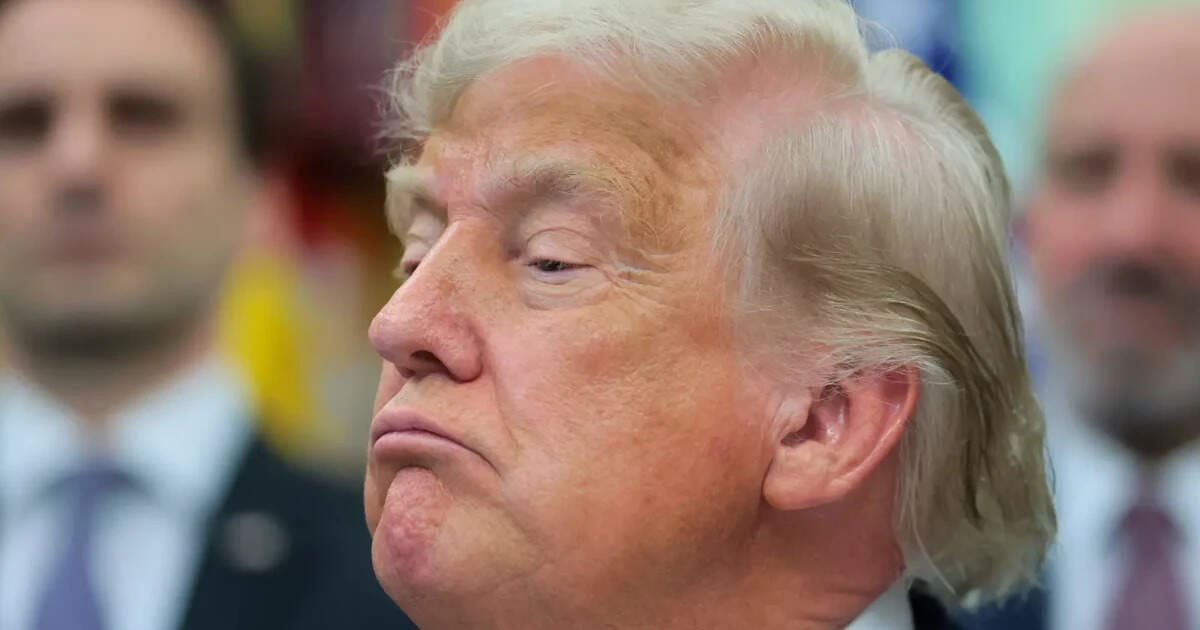
Donald Trump’s latest ultimatum regarding Iranian unfrozen funds and agricultural trade has sent shockwaves through global energy markets. For the Indian investor, this signals a high-risk environment for the rupee and domestic fuel prices. We break down the winners, losers, and specific NSE stocks to watch during this period of heightened geopolitical friction.
The Geopolitical Pivot: Why Trump’s Iran Ultimatum Matters Now
The global energy landscape is once again hostage to the volatile dynamics of the Strait of Hormuz. Donald Trump’s recent, uncompromising ultimatum to Iran regarding the utilization of unfrozen assets and agricultural trade mandates has introduced a new 'geopolitical risk premium' into Brent crude pricing. For India, which imports over 85% of its crude oil requirements, this is not merely a diplomatic spat; it is a direct threat to the current account deficit (CAD) and fiscal stability.
Historically, whenever Middle Eastern instability flares, the correlation between Brent crude and the Nifty 50 strengthens. During the 2022 energy crisis, we witnessed the Nifty 50 undergo a 10% correction as energy costs ballooned, pushing the Wholesale Price Index (WPI) to multi-decade highs. As we stand today, the market is pricing in a potential supply chain disruption that could see crude prices test the $90/bbl threshold, a level that historically triggers a de-rating in Indian consumption-led stocks.
How will rising crude oil prices impact Indian inflation and GDP?
The mechanism is straightforward yet devastating for domestic margins: a $10 rise in crude oil prices typically shaves approximately 0.5% off India's GDP growth while simultaneously pushing retail inflation (CPI) higher by 20–30 basis points. When the rupee depreciates against the dollar—a common side effect of oil-induced trade imbalances—the cost of imported goods spikes, forcing the Reserve Bank of India (RBI) to maintain a 'higher-for-longer' interest rate stance, which effectively chokes credit-heavy sectors.
Sectoral Impact: Identifying Winners and Losers on the NSE
The market is currently bifurcating into 'energy-resilient' and 'margin-sensitive' buckets. Understanding this distinction is paramount for capital preservation.
The Winners: Upstream Energy and Defense
- ONGC (NSE: ONGC): As a primary beneficiary of higher crude realizations, ONGC’s EBITDA margins expand significantly when crude prices climb. With a market cap exceeding ₹4 trillion, it remains the ultimate hedge against energy inflation.
- Oil India (NSE: OIL): Similar to ONGC, OIL enjoys a direct correlation with crude prices. Their lower cost of production makes them highly profitable in a high-price environment.
- Defense Sector (e.g., HAL, BEL): Geopolitical tension necessitates increased domestic defense spending. As the Iran-US standoff persists, the 'Indigenization' theme gains momentum, shielding defense stocks from broader market sell-offs.
The Losers: OMCs, Aviation, and Paint Manufacturers
- Oil Marketing Companies (HPCL, BPCL, IOCL): These stocks face a 'double whammy.' Under-recoveries on fuel sales often occur if the government forces them to hold retail prices steady, leading to margin compression.
- InterGlobe Aviation (IndiGo): Aviation Turbine Fuel (ATF) accounts for 35-40% of airline operating costs. A sustained spike in crude prices is catastrophic for IndiGo’s bottom line, often leading to immediate P/E multiple contraction.
- Asian Paints (NSE: ASIANPAINT): With crude oil being a primary feedstock for chemical and paint manufacturing, Asian Paints faces severe input cost inflation, which is difficult to pass on to consumers in a slowing discretionary spending environment.
Expert Perspective: The Contrarian View
The Bull Case: Proponents argue that India's strategic petroleum reserves and diversified import sources (including increased Russian crude intake) provide a structural buffer that didn't exist in 2014. They suggest that any market dip is a 'buy-the-dip' opportunity for high-quality compounding stocks.
The Bear Case: Bears focus on the 'rupee-oil' trap. They argue that if the dollar index (DXY) strengthens alongside oil, the RBI will be forced to intervene, draining forex reserves and limiting liquidity in the banking system, which would trigger a broader correction across the Nifty Bank index.
Actionable Investor Playbook
For the professional investor, this environment demands a defensive posture:
- Reduce Beta: Trim exposure to high-P/E paint and consumer discretionary stocks that cannot pass on input cost inflation.
- Energy Allocation: Increase exposure to upstream energy producers (ONGC, OIL) as a tactical hedge.
- Watch the Currency: If the USD/INR pair breaches 84.50, look for a flight to quality in export-oriented IT services (e.g., TCS, Infosys), which benefit from rupee depreciation.
Risk Matrix
- Supply Chain Disruption (Probability: Medium): Potential closure of the Strait of Hormuz. Impact: Severe.
- Domestic Fuel Price Hike (Probability: High): Government passing costs to consumers. Impact: Inflationary.
- Rupee Depreciation (Probability: High): Foreign Institutional Investor (FII) outflows triggered by macro instability. Impact: Liquidity crunch.
What to Watch Next
Investors should monitor the upcoming OPEC+ production meeting and the RBI Monetary Policy Committee (MPC) minutes. Any signal of a shift in the interest rate trajectory, coupled with a breach of the $85/bbl level on Brent, will serve as the primary catalyst for the next leg of market volatility. Keep a close eye on the 10-year G-Sec yield; if it spikes, expect immediate selling pressure in the equity markets.
See ONGC's AI Score
Our algorithmic screener scores ONGC on fundamentals, momentum, and risk — free to try, no card needed.
Try the AI Screener →Have questions about this story?
Ask Welth, our finance-focused AI research assistant, for a deeper breakdown — free trial included.
Chat with Welth AI →Disclaimer: This content is generated by WelthWest Research Desk based on publicly available reports and is for informational purposes only. It does not constitute financial advice, investment recommendations, or an offer to buy or sell securities. Always consult a qualified financial advisor before making investment decisions.
