Key Takeaway
Trump's rejection of an Iran ceasefire signals potential escalation, directly threatening global oil supply stability. Indian investors must brace for elevated crude prices, impacting import-dependent sectors and potentially widening the current account deficit, while energy producers and gold may see upside.
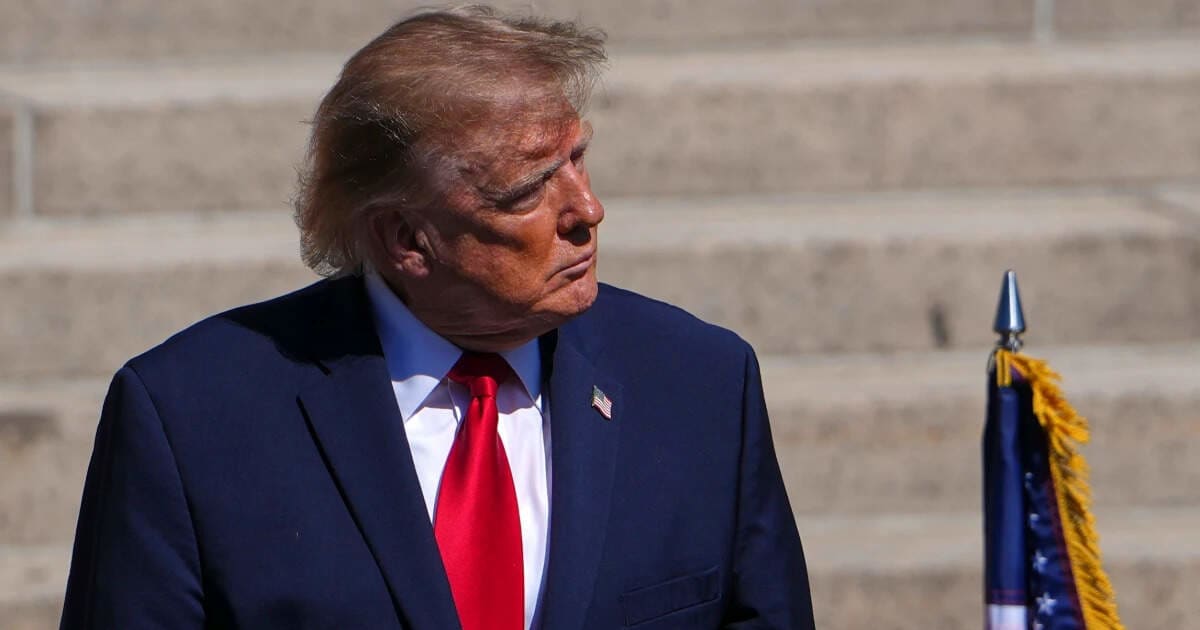
Geopolitical tensions are set to escalate following reports of Donald Trump rejecting an Iranian ceasefire proposal, with expectations of renewed bombing post-midterms. This development directly imperils the Strait of Hormuz, a critical global oil chokepoint. For India, a major oil importer, this could trigger a significant rise in crude prices, impacting the economy and creating ripple effects across key sectors of the Indian stock market. Our deep dive uncovers the winners, losers, and actionable strategies for investors.
Trump's Iran Stance: Why Hormuz is on High Alert and What It Means for Indian Market Investors
The geopolitical chessboard has just seen a significant, potentially market-altering move. Reports indicate that former President Donald Trump has outright rejected a seven-day ceasefire proposal from Iran, with an expectation of resumed bombing operations post-US midterms. This isn't merely a political statement; it's a direct signal of potential military escalation in one of the world's most vital energy regions. For global markets, and particularly for oil-importing nations like India, this news isn't just a headline—it's a flashing red light for commodity price volatility and economic headwinds.
The immediate consequence of such an escalation looms large over the Strait of Hormuz, the narrow waterway through which roughly one-fifth of the world's total petroleum liquids consumption, or about 21 million barrels per day, transits. Any disruption, perceived or real, in this critical chokepoint sends shockwaves through global crude oil prices. India, importing over 85% of its crude oil requirements, stands acutely vulnerable. A sustained increase in crude oil prices directly inflates India's import bill, exacerbates the current account deficit (CAD), and fuels domestic inflation, ultimately pressuring the Rupee against the Dollar. This complex interplay of geopolitics, energy markets, and macroeconomic stability demands a comprehensive understanding from Indian investors.
What Happened: Setting the Geopolitical Stage for Market Volatility
The core event is stark: the reported rejection by Donald Trump of a temporary truce offered by Iran, aimed at reopening the Strait of Hormuz. This proposal, likely an attempt by Iran to de-escalate tensions and secure economic relief, has been met with a firm 'no,' with expectations that military action could resume after the US midterms. While the specifics of the 'bombing' are not detailed, the implication of renewed hostilities between the US and Iran is undeniable. This development is not occurring in a vacuum; it builds upon decades of fraught relations, punctuated by sanctions, proxy conflicts, and periodic military confrontations. The timing, post-midterms, could be interpreted as a strategic window for the US to act with potentially fewer domestic political constraints.
Why does this matter now? The global economy is already navigating a complex landscape of persistent inflation, supply chain disruptions, and slowing growth. Adding a major geopolitical flashpoint in the Middle East, directly impacting energy prices, could tip several economies closer to recession. For India, the timing is particularly sensitive. The Reserve Bank of India (RBI) is grappling with inflation while trying to support growth. A significant oil price shock could force the RBI's hand towards tighter monetary policy, potentially stifling economic recovery. Furthermore, foreign institutional investors (FIIs) tend to become risk-averse during periods of heightened global uncertainty, leading to capital outflows from emerging markets like India, further pressuring equity valuations.
Deep Market Impact Analysis: Connecting Geopolitics to Indian Equities
The immediate market reaction to such news is typically a flight to safety and a surge in commodity prices. Crude oil futures would likely spike, and gold, a traditional safe-haven asset, would rally. For the Indian market, the impact will be multifaceted, rippling across sectors from energy to aviation and logistics. Historically, periods of Middle East instability have consistently correlated with elevated crude prices and increased volatility in the Nifty 50. For instance, during the 2022 Russia-Ukraine conflict, crude oil prices briefly touched nearly $140/barrel, leading to a Nifty correction of over 10% from its peaks, primarily driven by concerns over inflation and the CAD.
Sector-Level Breakdown:
- Energy (Upstream): Producers like ONGC and Oil India stand to gain significantly. Higher crude oil realizations directly boost their top and bottom lines. Their market caps, often sensitive to global oil price movements, could see substantial appreciation.
- Energy (Downstream/Marketing): Oil Marketing Companies (OMCs) such as BPCL, HPCL, and IOCL face a mixed bag. While higher crude prices mean increased procurement costs, their ability to pass on these costs to consumers through retail fuel price hikes is often constrained by government intervention. This can squeeze their marketing margins, making them vulnerable.
- Airlines: Companies like IndiGo (InterGlobe Aviation) and SpiceJet are direct losers. Aviation Turbine Fuel (ATF) constitutes 30-40% of their operating costs. A sharp rise in crude prices translates directly into higher ATF costs, eroding profitability and potentially forcing fare hikes which could dampen demand.
- Shipping and Logistics: Companies operating internationally, particularly those with routes through the Middle East, could face increased insurance premiums (war risk premiums) and potential disruptions. Higher bunker fuel costs will also impact profitability.
- Automobiles: Indirectly affected, auto companies like Tata Motors and Maruti Suzuki could see demand soften due to higher fuel prices impacting consumer spending and discretionary purchases. Rising logistics costs also impact their supply chains.
- Gold & Jewellery: Titan Company, a major player in the jewellery segment, could see a boost in its gold-related revenues as investors flock to safe-haven assets. However, a sharp price spike could also deter retail buyers, creating a nuanced impact.
- Defence: While India's defence sector is largely focused on domestic procurement, global defence spending tends to rise during periods of heightened geopolitical tensions, potentially offering long-term tailwinds to the sector globally, and indirectly benefiting Indian players through technology transfers or increased export opportunities for niche products.
Stock-by-Stock Breakdown: Indian Equities in the Crosshairs
Let's delve into specific Indian stocks and quantify the potential impact:
- Oil and Natural Gas Corporation (ONGC) (NSE: ONGC): As India's largest crude oil and natural gas producer, ONGC is a direct beneficiary of rising crude prices. For every $1 increase in crude oil, ONGC's annual revenue could see an uplift of approximately INR 1,500-2,000 crores. With a current market capitalization hovering around INR 3.4 lakh crores and a trailing P/E ratio often below 10x, ONGC's stock has historically shown a strong correlation with Brent crude movements. A sustained oil price above $90-$100/barrel could significantly re-rate the stock upwards. Sector peer: Oil India Ltd (NSE: OIL).
- Bharat Petroleum Corporation Ltd (BPCL) (NSE: BPCL): An Oil Marketing Company (OMC), BPCL faces the challenge of higher input costs. While its refining margins (GRMs) might benefit from inventory gains initially, sustained high crude prices without adequate retail price hikes can severely compress marketing margins. For instance, in Q1 FY23, OMCs reported significant losses due to suppressed retail prices despite high crude. BPCL's profitability is highly sensitive to the government's stance on fuel pricing. Sector peers: Hindustan Petroleum Corporation Ltd (NSE: HPCL) and Indian Oil Corporation Ltd (NSE: IOCL).
- InterGlobe Aviation Ltd (IndiGo) (NSE: INDIGO): As India's largest airline, IndiGo's financials are highly susceptible to ATF prices. Fuel costs represent roughly 35-40% of its total operating expenses. A 10% increase in ATF prices can translate to a 3-4% hit on its operating profit margin, assuming no corresponding fare hikes. Given the competitive nature of the Indian aviation market, passing on the full cost increase is challenging. The stock, with a market cap of around INR 1.2 lakh crores, has historically corrected sharply during periods of elevated crude.
- Titan Company Ltd (NSE: TITAN): As a prominent player in India's jewellery and watch market, Titan's gold division benefits from its safe-haven appeal. When geopolitical tensions escalate, investors often flock to gold, driving up prices. Titan's revenue mix, with jewellery contributing over 85%, means higher gold prices can boost top-line figures in rupee terms. However, extreme price volatility can also deter discretionary purchases, creating a nuanced impact on sales volumes.
- GAIL (India) Ltd (NSE: GAIL): As a major gas transmission and marketing company, GAIL's fortunes are linked to both crude and natural gas prices. While higher crude can impact the pricing of some of its petrochemical products, its gas transmission business provides a relatively stable revenue stream. However, higher LNG import costs, driven by geopolitical factors, can impact its gas trading segment. The stock's performance will be a function of the overall energy complex and gas demand dynamics.
Expert Perspective: Bulls vs. Bears on the Iranian Escalation
The market's reaction will not be monolithic. There are compelling arguments from both sides of the spectrum.
The Bears' Argument: "This is a clear 'risk-off' signal. The potential for a direct US-Iran confrontation, even a limited one, introduces an unquantifiable tail risk into the global economy. Crude oil could easily surge past $100, perhaps even touch $120-$130/barrel, triggering a demand destruction cycle. For India, this means a wider CAD, higher inflation, continued Rupee depreciation, and aggressive rate hikes by the RBI. FII outflows from Indian equities would accelerate, leading to broad-market corrections. Defensive sectors might offer some protection, but the overall sentiment would remain deeply bearish. The last time we saw such sustained oil price pressure was during the 2008 financial crisis, which was followed by a sharp market downturn."
The Bulls' Argument: "While the headline is concerning, the market often overreacts to geopolitical news. The US has a vested interest in keeping oil flows stable, and any 'bombing' might be highly targeted or symbolic, not aimed at crippling the Strait of Hormuz. Furthermore, global growth concerns could cap the upside for crude, as demand destruction becomes a real factor at higher prices. India's economy has also shown resilience, and the government has mechanisms to manage oil price shocks, such as strategic reserves. This could present a 'buy the dip' opportunity in quality cyclicals once the initial fear subsides. Defence stocks, for instance, could see a longer-term tailwind, and the energy sector (upstream) offers a clear hedge against inflation."
Actionable Investor Playbook: Navigating the Geopolitical Storm
Given the high impact and bearish sentiment, a cautious yet strategic approach is warranted for Indian investors:
- Buy/Accumulate:
- Upstream Oil & Gas: ONGC, Oil India. These are direct beneficiaries of higher crude prices. Consider staggered accumulation on any dips. Entry points could be around their 200-day moving averages if the broader market corrects. Time horizon: Medium to long-term (6-18 months) to capitalize on sustained higher oil prices.
- Gold ETFs/Physical Gold: As a traditional safe haven, gold will likely continue its upward trajectory during periods of geopolitical uncertainty. Consider investing in Gold ETFs (e.g., Nippon India ETF Gold BeES, HDFC Gold ETF) for liquidity and ease of trading. Time horizon: Short to medium-term (3-9 months) for hedging against market volatility.
- Select Defence Stocks: While not a direct play on this specific event, increased global tensions generally benefit the defence sector. Hindustan Aeronautics Ltd (NSE: HAL) or Bharat Electronics Ltd (NSE: BEL) could see increased order visibility in the long run. Time horizon: Long-term (1-3 years).
- Reduce/Avoid:
- Oil Marketing Companies (OMCs): BPCL, HPCL, IOCL. Their profitability is highly susceptible to government intervention on fuel pricing. Until clarity emerges on their ability to pass on costs, they remain high-risk.
- Aviation Stocks: InterGlobe Aviation (IndiGo), SpiceJet. Direct exposure to soaring ATF costs makes them vulnerable.
- Logistics & Shipping: Companies with significant international freight operations, especially through the Middle East. Increased insurance and potential disruptions pose significant risks.
- Watchlist:
- Automobile Sector: Tata Motors, Maruti Suzuki. Monitor sales trends and consumer discretionary spending closely. Any sustained dip in demand due to higher fuel costs would warrant caution.
- Chemicals & Petrochemicals: Companies reliant on crude oil derivatives as feedstock. Margins could be impacted by price volatility.
Risk Matrix: Assessing the Probabilities
The situation is fluid, and several risks could alter the investment landscape:
- Risk 1: Full-Scale Military Conflict (Low Probability, Extreme Impact): A direct, sustained military engagement between the US and Iran, leading to a complete closure or severe disruption of the Strait of Hormuz. This would send crude oil prices to unprecedented levels ($150-$200+), trigger a global recession, and cause a severe market crash. Probability: Low (10-15%).
- Risk 2: Targeted Strikes & Supply Disruptions (Medium Probability, High Impact): Limited military strikes or retaliatory actions that cause temporary but significant disruptions to oil tankers or infrastructure in the region. This would lead to a sharp, albeit potentially temporary, spike in crude oil prices ($100-$120), increased shipping costs, and heightened market volatility. Probability: Medium (40-50%).
- Risk 3: De-escalation & Diplomatic Resolution (Medium Probability, Medium Impact): Despite current rhetoric, back-channel diplomacy or a shift in US policy post-midterms could lead to a de-escalation of tensions. This would likely cause a rapid unwinding of crude oil premium, bringing prices back towards pre-crisis levels ($75-$85), and a rebound in risk assets. Probability: Medium (30-35%).
- Risk 4: US Midterm Election Outcome (High Probability, Medium Impact): The actual results of the US midterms could significantly influence the administration's foreign policy stance. A strong showing for the opposition might empower the current administration to pursue a more aggressive stance, while a weaker showing might force a more cautious approach. Probability: High (90%).
What to Watch Next: Catalysts and Data Points
Investors should closely monitor the following developments:
- US Midterm Election Results: The outcome will be a significant determinant of the US administration's future foreign policy posture towards Iran. Watch for statements from key officials following the elections.
- Statements from US and Iranian Officials: Any further rhetoric or diplomatic initiatives from either side will provide crucial clues on the path forward. Pay attention to specific mentions of the Strait of Hormuz or oil infrastructure.
- Crude Oil Inventory Reports: Weekly inventory data from the EIA (US Energy Information Administration) and IEA (International Energy Agency) will indicate the current supply-demand balance and market's perception of future supply risks. A drawdown in inventories amid geopolitical tensions would be a strong bullish signal for crude.
- Shipping Insurance Rates: Spikes in war risk premiums for vessels transiting the Strait of Hormuz would be a real-time indicator of escalating perceived risk by the shipping industry.
- RBI Monetary Policy Decisions: The RBI's future interest rate decisions will be heavily influenced by domestic inflation, which in turn is highly susceptible to crude oil prices. Watch for any hawkish shifts in policy or guidance.
- Indian Current Account Deficit Data: Quarterly CAD figures will provide concrete evidence of the impact of higher import bills on India's external finances. A widening deficit would pressure the Rupee and investor sentiment.
The current geopolitical landscape demands vigilance. While the immediate reaction might be driven by fear, a deep understanding of the underlying dynamics and their specific impact on Indian equities allows for informed decision-making, transforming potential threats into strategic opportunities.
See ONGC's AI Score
Our algorithmic screener scores ONGC on fundamentals, momentum, and risk — free to try, no card needed.
Try the AI Screener →Have questions about this story?
Ask Welth, our finance-focused AI research assistant, for a deeper breakdown — free trial included.
Chat with Welth AI →Disclaimer: This content is generated by WelthWest Research Desk based on publicly available reports and is for informational purposes only. It does not constitute financial advice, investment recommendations, or an offer to buy or sell securities. Always consult a qualified financial advisor before making investment decisions.