Key Takeaway
Former President Trump's aggressive stance towards Oman over Strait of Hormuz transit rights injects significant geopolitical risk into global energy markets. Investors must brace for elevated crude prices, impacting India's import-dependent economy and specific sectors, while identifying potential beneficiaries.
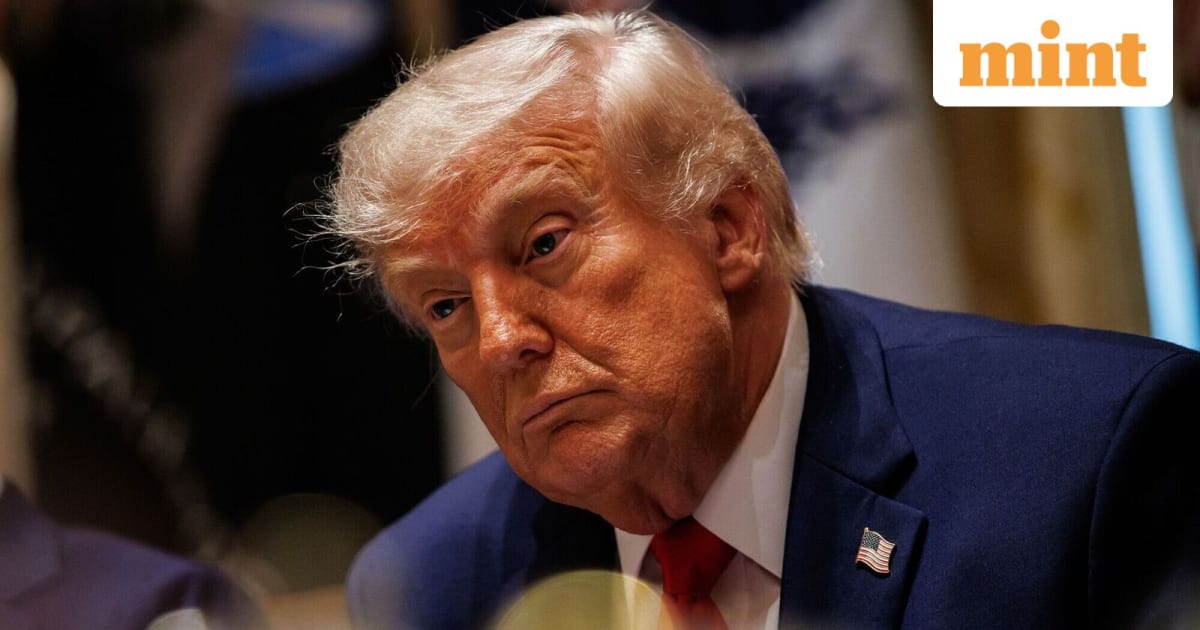
A geopolitical tremor from Donald Trump's reported ultimatum to Oman regarding Strait of Hormuz access is sending shockwaves through global energy markets. This analysis delves into the immediate and long-term implications for India, examining which sectors and specific stocks stand to gain or suffer. We provide a data-driven playbook for navigating this volatile terrain.
Trump's Oman Ultimatum: Geopolitical Fault Lines and the Strait of Hormuz Crisis
The global energy landscape, already grappling with post-pandemic demand recovery and ongoing supply chain fragilities, now faces a potent new wildcard: former U.S. President Donald Trump's alleged geopolitical ultimatum to the Sultanate of Oman. Reports suggest a forceful demand for Oman to align with U.S. interests concerning transit rights through the Strait of Hormuz, with veiled threats of severe repercussions for non-compliance. This development, if it escalates, carries immense weight, as the Strait of Hormuz is not merely a geographical passage but the pulsating artery of global oil and liquefied natural gas (LNG) trade. Any disruption or even the credible threat of one in this narrow waterway, through which an estimated 20-30% of the world's seaborne crude oil and LNG passes daily, can trigger immediate and severe supply-side volatility. For energy-importing nations like India, this translates into a direct assault on economic stability, pushing up imported fuel costs, widening the current account deficit, and fueling inflationary pressures. The immediate aftermath of such geopolitical pronouncements often sees a knee-jerk reaction in crude oil futures, with benchmarks like Brent and WTI surging, while maritime insurance premiums for vessels transiting the region skyrocket, adding another layer of cost to already strained supply chains.
Why This Geopolitical Standoff Matters Now: The Strategic Imperative of the Strait of Hormuz
The Strait of Hormuz, a 21-mile-wide maritime chokepoint between the Persian Gulf and the Gulf of Oman, is arguably the most critical oil transit point on the planet. Its strategic significance cannot be overstated. For decades, it has been a focal point of regional security concerns, particularly concerning Iran's influence and its potential to disrupt shipping. The current context is particularly sensitive, with ongoing geopolitical tensions in the Middle East and a global economy striving for stability. Trump's reported strong-arm tactics, if indicative of a future policy direction, signal a potential for increased assertiveness and a willingness to leverage economic and military power to achieve geopolitical objectives. This creates a highly unpredictable environment for energy markets. For India, which imports over 80% of its crude oil requirements, any upward pressure on global oil prices directly impacts its balance of payments. A sustained surge in crude prices can erode foreign exchange reserves, weaken the Indian Rupee (INR) against the U.S. Dollar, and necessitate difficult policy choices for the Reserve Bank of India (RBI), potentially delaying anticipated interest rate cuts or even prompting further tightening. The implications extend beyond fuel; a higher energy bill has cascading effects across the economy, impacting manufacturing costs, transportation, and consumer spending.
Deep Market Impact Analysis: How Trump's Oman Gambit Ripples Through Indian Equities
The immediate market reaction to heightened geopolitical tensions in the Strait of Hormuz is almost invariably a spike in crude oil prices. This has a profound and multifaceted impact on the Indian stock market. Sectors directly exposed to energy costs are the most vulnerable. Oil Marketing Companies (OMCs) such as Indian Oil Corporation (IOC), Bharat Petroleum Corporation (BPCL), and Hindustan Petroleum Corporation (HPCL) face the dual challenge of potentially higher crude acquisition costs and the political pressure to absorb these increases rather than passing them fully onto consumers, thereby squeezing their refining and marketing margins. This can lead to a significant compression in their profitability and, consequently, a bearish sentiment towards their stock prices.
Conversely, upstream oil and gas producers, particularly those with significant domestic production like Oil and Natural Gas Corporation (ONGC) and Oil India Limited (OIL), can benefit from higher crude prices. Their revenue and profitability are directly linked to the price of crude oil, and an increase in global benchmarks translates into higher realisations for their output. This can lead to a bullish outlook for these companies, potentially driving their stock prices higher, especially if they can maintain or increase production volumes. The market capitalization of these companies, which often runs into hundreds of billions of INR, means that even marginal improvements in profitability can lead to substantial stock price appreciation.
The defense sector, including companies like Hindustan Aeronautics Limited (HAL) and Bharat Electronics Limited (BEL), could also see a positive impact. Increased geopolitical instability often leads to heightened defense spending by nations seeking to bolster their security. India, with its own strategic interests and a focus on self-reliance in defense, might accelerate procurement plans or increase orders for defense equipment, benefiting these public sector undertakings (PSUs) and their private sector counterparts.
Safe-haven assets, most notably gold, are also likely to attract investor attention. During periods of geopolitical uncertainty and economic volatility, gold's historical role as a store of value becomes more prominent. Investors often reallocate capital from riskier assets to gold, leading to an upward trend in its price. This can indirectly impact equity markets by drawing liquidity away from other asset classes.
The aviation sector, represented by stocks like InterGlobe Aviation (IndiGo), is a significant loser in this scenario. Aviation turbine fuel (ATF) is a major operating cost for airlines, and a sustained rise in crude oil prices directly translates into higher ATF prices. This can severely impact airline profitability, leading to reduced margins, potential fare hikes that dampen demand, and a generally bearish outlook for the sector. Similarly, paint and tyre manufacturers, which rely heavily on petrochemical derivatives and face increased input costs due to higher oil prices, will likely see their margins squeezed. Logistics and shipping companies, while benefiting from increased demand for transporting energy, face higher fuel surcharges and increased insurance costs, creating a complex cost-benefit scenario.
Historically, periods of heightened Middle East tensions have often correlated with significant volatility in Indian equity indices. For instance, during the escalation of tensions in the Persian Gulf in early 2022, the Nifty 50 experienced sharp drawdowns as crude prices breached the $100 per barrel mark, reflecting the market's sensitivity to energy price shocks. The current situation, while unique in its specific geopolitical catalyst, echoes these historical patterns of risk aversion and commodity price driven market corrections.
Stock-by-Stock Breakdown: Navigating the Winners and Losers in the Indian Equity Arena
The fallout from Trump's reported ultimatum to Oman will not be evenly distributed across the Indian stock market. A granular analysis of specific companies reveals distinct beneficiaries and sufferers:
- ONGC (Oil and Natural Gas Corporation): As India's largest crude oil and natural gas producer, ONGC is a direct beneficiary of rising global crude prices. With a market capitalization often exceeding ₹2.5 lakh crore and a trailing P/E ratio that fluctuates but generally remains attractive during periods of commodity strength, higher realisations per barrel directly boost its revenue and net profit. For every $10 increase in Brent crude, ONGC's net profit can see a significant uplift, making it a prime candidate for investors looking to capitalize on the energy price surge. Sector peers like Oil India Limited (OIL), with a market cap typically in the range of ₹50,000-70,000 crore, will also experience similar tailwinds.
- Indian Oil Corporation (IOC): A dominant player in fuel refining and marketing, IOC (market cap often ₹1.5-2 lakh crore) faces a complex situation. While its refining margins can benefit from higher crude throughput, its marketing segment is vulnerable to government pressure to absorb price hikes, impacting its gross refining margins (GRMs) and net profitability. Investors should monitor IOC's inventory valuation gains and losses, as well as its ability to manage under-recoveries. Its P/E ratio can compress significantly during periods of margin pressure.
- Bharat Petroleum Corporation (BPCL): Similar to IOC, BPCL (market cap typically ₹70,000-90,000 crore) is exposed to the same margin pressures in its marketing operations. However, its refining segment and strategic investments in petrochemicals can offer some diversification. The stock's performance will be closely tied to its refining margins and the government's stance on fuel pricing.
- Hindustan Aeronautics Limited (HAL): The defense sector, with HAL (market cap often ₹1-1.5 lakh crore) at its forefront, stands to gain from increased defense spending. HAL's robust order book for aircraft, helicopters, and related systems, coupled with its position as a key player in India's 'Make in India' defense initiative, makes it a potential beneficiary of heightened geopolitical risks that necessitate stronger national security. Its consistent revenue growth and healthy profit margins make it an attractive long-term play in a scenario of rising global tensions.
- Bharat Electronics Limited (BEL): Another key PSU in the defense ecosystem, BEL (market cap typically ₹70,000-1 lakh crore) manufactures a wide range of electronic systems for defense applications, including radar, communication equipment, and electronic warfare systems. Increased defense budgets and a focus on modernizing military capabilities will likely translate into higher order inflows for BEL.
- InterGlobe Aviation (IndiGo): As India's largest airline, IndiGo (market cap often ₹70,000-90,000 crore) is highly sensitive to jet fuel prices. A sustained increase in crude oil prices will directly impact its operating costs, potentially leading to reduced profitability and a bearish outlook for the stock. Investors should watch for any announcements regarding fare hikes or cost-saving measures. Its historical P/E ratio can become highly volatile during periods of rising input costs.
Expert Perspective: Bears Versus Bulls on the Hormuz Geopolitical Fallout
The market's reaction to Trump's reported ultimatum to Oman presents a clear divergence of opinion among market participants. Bulls will argue that the underlying fundamentals of the Indian economy remain strong, and any price surge in crude oil will be temporary, driven by speculative sentiment rather than a sustained supply disruption. They might point to the strategic reserves held by major economies and the potential for diplomatic solutions to de-escalate tensions. Bulls would also highlight the resilience of Indian companies, their ability to pass on costs, and the government's proactive measures to manage inflation. They would emphasize that sectors like upstream oil and gas and defense are direct beneficiaries, offering attractive entry points.
Conversely, Bears will contend that geopolitical risks in the Middle East are inherently unpredictable and can escalate rapidly. They will emphasize that any threat to the Strait of Hormuz is a direct threat to global energy security, with potentially severe and prolonged impacts on oil prices. Bears will highlight the vulnerability of India's import-dependent economy, the widening current account deficit, and the inflationary spiral that higher energy costs can trigger. They would warn that the RBI might be forced to maintain a hawkish stance on interest rates, hindering economic growth and equity market performance. Bears would advise caution, advocating for a defensive positioning and a focus on companies with strong balance sheets and pricing power, or those that are insulated from energy price volatility.
Actionable Investor Playbook: Navigating the Volatile Energy Landscape
In light of the heightened geopolitical risk surrounding the Strait of Hormuz, investors should adopt a strategic and measured approach:
- Buy: Upstream Oil & Gas Producers. Companies like ONGC and OIL are direct beneficiaries. Look for entry points on any dips, especially if crude oil prices show sustained upward momentum. A potential target for ONGC could be its previous cycle highs, provided crude remains above $90-$100 per barrel. For OIL, a similar upward trajectory is expected.
- Buy: Defense Sector Stocks. Companies like HAL and BEL are poised for growth due to increased defense spending. Their strong order books provide visibility. Consider accumulating on any minor pullbacks, with a long-term investment horizon of 2-3 years.
- Consider: Gold and Gold ETFs. As a safe-haven asset, gold is expected to perform well amidst uncertainty. Allocate a small portion of the portfolio to gold or gold ETFs for diversification and capital preservation.
- Sell/Avoid: Aviation and Highly Leveraged Consumer Discretionary Stocks. Companies like InterGlobe Aviation (IndiGo) are highly vulnerable to rising fuel costs. If you hold these stocks, consider reducing exposure or setting strict stop-losses. Similarly, companies with high debt and limited pricing power in sectors like paints and tyres should be avoided or reduced.
- Watch: Oil Marketing Companies (OMCs). IOC and BPCL present a mixed picture. While potentially benefiting from higher crude prices in their refining operations, their marketing margins are at risk. Investors should wait for clarity on fuel pricing policies and a potential stabilization of refining margins before making significant commitments.
- Monitor: Inflation and RBI Policy. Closely track inflation data and any statements from the RBI. A sustained surge in energy prices could force the RBI to maintain a hawkish stance, impacting interest rate-sensitive sectors like banking and real estate.
The time horizon for this strategy should be medium to long-term (6-18 months), allowing the geopolitical situation and its market repercussions to unfold. Entry points for buying should be opportunistic, utilizing any market corrections to acquire quality assets at attractive valuations.
Risk Matrix: Quantifying the Potential Downside
The geopolitical situation surrounding Oman and the Strait of Hormuz presents several significant risks:
- Probability: High. Risk: Escalation into a Regional Conflict. The most severe risk is the escalation of tensions into a full-blown regional conflict. This would not only lead to a sustained and dramatic spike in energy costs, potentially pushing crude prices to unprecedented levels (e.g., $150-$200 per barrel), but could also trigger broader inflationary pressures globally, leading to stagflationary scenarios. Such an event would necessitate a significantly more hawkish response from central banks worldwide, including the RBI, potentially leading to deep recessions and significant equity market downturns.
- Probability: Medium. Risk: Sustained High Energy Prices and Current Account Deterioration. Even without a full-scale conflict, a prolonged period of heightened tensions could keep oil prices elevated (e.g., $100-$120 per barrel). This would continue to strain India's current account deficit, weaken the Rupee, and necessitate continued government intervention to manage fuel prices, impacting fiscal health. This scenario would lead to sustained bearish sentiment for energy consumers and a continued bullish trend for energy producers.
- Probability: Medium. Risk: Impact on Global Trade and Supply Chains. Increased shipping insurance costs and potential disruptions to maritime traffic, even if minor, can lead to broader supply chain issues. This could impact manufacturing, increase the cost of imported goods, and further fuel inflation, creating a ripple effect across various sectors of the Indian economy beyond just energy.
- Probability: Low. Risk: Diplomatic Resolution and De-escalation. While less likely given the reported assertiveness, a swift and effective diplomatic resolution could lead to a rapid unwinding of risk premiums in energy markets. This would see oil prices fall sharply, benefiting consumers but potentially creating short-term volatility for energy producers.
What to Watch Next: Upcoming Catalysts and Data Releases
Investors should closely monitor the following catalysts and data releases:
- Geopolitical Developments: Any official statements from the U.S., Oman, or Iran regarding the Strait of Hormuz transit rights will be paramount. Watch for any military posturing or diplomatic engagements in the region.
- Crude Oil Price Movements: Daily and weekly trends in Brent and WTI crude oil prices will be the most direct indicator of market sentiment and the perceived risk of supply disruption.
- Inflation Data (CPI & WPI): India's Consumer Price Index (CPI) and Wholesale Price Index (WPI) data releases will reveal the extent to which energy price increases are translating into broader inflation.
- RBI Monetary Policy Statements: Any commentary or policy shifts from the Reserve Bank of India regarding interest rates and inflation outlook will be crucial for understanding the broader macroeconomic environment.
- Corporate Earnings Reports: Upcoming quarterly earnings reports for OMCs, upstream producers, and airlines will provide concrete data on how these companies are performing amidst changing energy dynamics.
The geopolitical chessboard is in constant motion, and the Strait of Hormuz remains a critical flashpoint. Navigating this complex environment requires vigilance, data-driven analysis, and a strategic allocation of capital. The decisions made in the coming weeks and months regarding Oman and its strategic waterway will undoubtedly shape the trajectory of global energy markets and the Indian stock market for the foreseeable future.
See ONGC's AI Score
Our algorithmic screener scores ONGC on fundamentals, momentum, and risk — free to try, no card needed.
Try the AI Screener →Have questions about this story?
Ask Welth, our finance-focused AI research assistant, for a deeper breakdown — free trial included.
Chat with Welth AI →Disclaimer: This content is generated by WelthWest Research Desk based on publicly available reports and is for informational purposes only. It does not constitute financial advice, investment recommendations, or an offer to buy or sell securities. Always consult a qualified financial advisor before making investment decisions.
