Key Takeaway
The Barakah incident signals a shift in the Middle East risk premium. Investors should prepare for a period of heightened energy volatility that will squeeze margins for oil-dependent Indian sectors while providing a tailwind for domestic upstream producers.
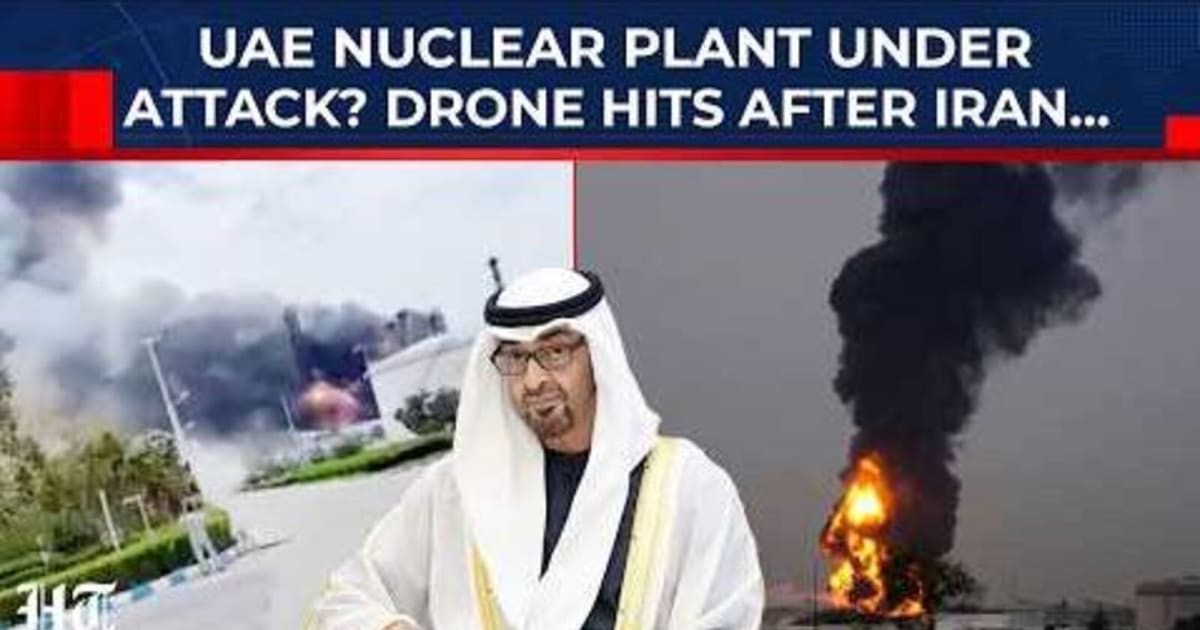
Geopolitical tensions in the UAE have spiked following a drone strike near the Barakah Nuclear Power Plant. This analysis investigates the ripple effects on Brent crude, the Indian Rupee, and specific NSE-listed stocks, providing a strategic roadmap for navigating the ensuing market volatility.
The Barakah Incident: A New Geopolitical Flashpoint
The recent drone strike near the Barakah Nuclear Power Plant in Abu Dhabi has moved from a localized security event to a systemic risk factor for global energy markets. As the first major commercial nuclear facility in the Arab world, Barakah is a cornerstone of regional energy strategy. Its proximity to critical maritime corridors makes this incident a bellwether for potential disruptions in the Strait of Hormuz, the world’s most vital oil transit chokepoint.
For the Indian economy, which imports over 85% of its crude oil requirements, this is not merely a diplomatic headline—it is a direct threat to the current account deficit (CAD). When the risk premium on Brent crude spikes, the transmission mechanism to the Indian Rupee (INR) is almost instantaneous, historically leading to a 3-5% depreciation during periods of sustained Middle East instability.
How does the UAE drone strike impact Indian equity markets?
Markets operate on the principle of risk-off sentiment during regional conflicts. Historically, when Brent crude breaches the $90/barrel mark, the Nifty 50 experiences a valuation contraction, particularly in sectors where energy costs represent a high percentage of operating expenses. Unlike 2022, when the post-COVID supply chain was already fragmented, the current market is sensitive to any signal that could force a revision in the RBI’s inflation outlook.
The Sectoral Divide: Winners and Losers
The impact is bifurcated. On one hand, upstream energy players benefit from higher realization prices per barrel. On the other, Oil Marketing Companies (OMCs) face a 'margin trap' where they struggle to pass on the full burden of rising crude costs to consumers due to political pricing sensitivities, leading to significant earnings compression.
Stock-by-Stock Breakdown: Navigating the Volatility
- ONGC (NSE: ONGC): As the primary beneficiary of rising crude prices, ONGC’s net realizations tend to improve significantly when global benchmarks rise. With a P/E ratio currently hovering around 7.5x, it remains a defensive play for energy-heavy portfolios.
- BPCL (NSE: BPCL) & HPCL (NSE: HPCL): These OMCs are the immediate losers. A sustained rise in crude costs without a corresponding increase in retail fuel prices forces these firms to absorb the delta, directly impacting their EBITDA margins.
- InterGlobe Aviation (NSE: INDIGO): Aviation Turbine Fuel (ATF) accounts for nearly 40% of Indigo’s operating costs. Any spike in oil prices is a direct hit to the bottom line, often resulting in immediate double-digit volatility in the stock price.
- Bharat Electronics (NSE: BEL) & HAL (NSE: HAL): Geopolitical tension historically drives an increase in defense procurement. These stocks act as a hedge, often rallying when traditional consumption stocks face selling pressure due to macro-economic headwinds.
Expert Perspective: The Bull vs. Bear Case
The Bear Argument: Bears contend that the Barakah strike is the start of a sustained supply chain disruption. If the Strait of Hormuz faces even partial blockades, insurance premiums for oil tankers will skyrocket, compounding the cost of crude for Indian importers and fueling domestic inflation.
The Bull Argument: Bulls argue that the UAE and regional powers have a vested interest in maintaining the status quo. They view the strike as a short-term volatility event, suggesting that the current dip in consumption-heavy stocks like FMCG and paints (e.g., Asian Paints) presents a buying opportunity before the market corrects to the mean.
Actionable Investor Playbook
Investors should adopt a 'barbell strategy' in the current environment:
- Defensive Allocation: Increase exposure to domestic defense manufacturers (BEL, HAL) to hedge against regional escalation.
- Profit Booking: Consider trimming positions in aviation and paint manufacturers, where input cost pressure is likely to lead to downward earnings revisions in the upcoming quarterly results.
- Watch the INR/USD: If the Rupee slides past the 84.50 level against the USD, expect significant FII outflow from Indian equities, which may provide a deeper entry point for long-term investors.
Risk Matrix: Assessing the Impact
| Risk Factor | Probability | Impact |
|---|---|---|
| Sustained Strait of Hormuz Disruption | Low | Critical |
| Brent Crude > $100/bbl | Medium | High |
| INR Depreciation > 2% in 30 days | Medium | Medium |
What to Watch Next
The next 14 days are critical. Watch for the monthly OPEC+ production meeting and any updates from the International Atomic Energy Agency (IAEA) regarding the security status of the Barakah facility. Furthermore, monitor the next CPI inflation data release from the Ministry of Statistics; any uptick in imported inflation will force the RBI to maintain a 'higher-for-longer' interest rate stance, further dampening sentiment for interest-rate-sensitive sectors like Banking and Real Estate.
See ONGC's AI Score
Our algorithmic screener scores ONGC on fundamentals, momentum, and risk — free to try, no card needed.
Try the AI Screener →Have questions about this story?
Ask Welth, our finance-focused AI research assistant, for a deeper breakdown — free trial included.
Chat with Welth AI →Disclaimer: This content is generated by WelthWest Research Desk based on publicly available reports and is for informational purposes only. It does not constitute financial advice, investment recommendations, or an offer to buy or sell securities. Always consult a qualified financial advisor before making investment decisions.
