Key Takeaway
The thaw in UAE-Iran relations effectively lowers the geopolitical 'war premium' on crude oil, providing a massive tailwind for Indian OMCs and downstream sectors while cooling inflationary pressures.
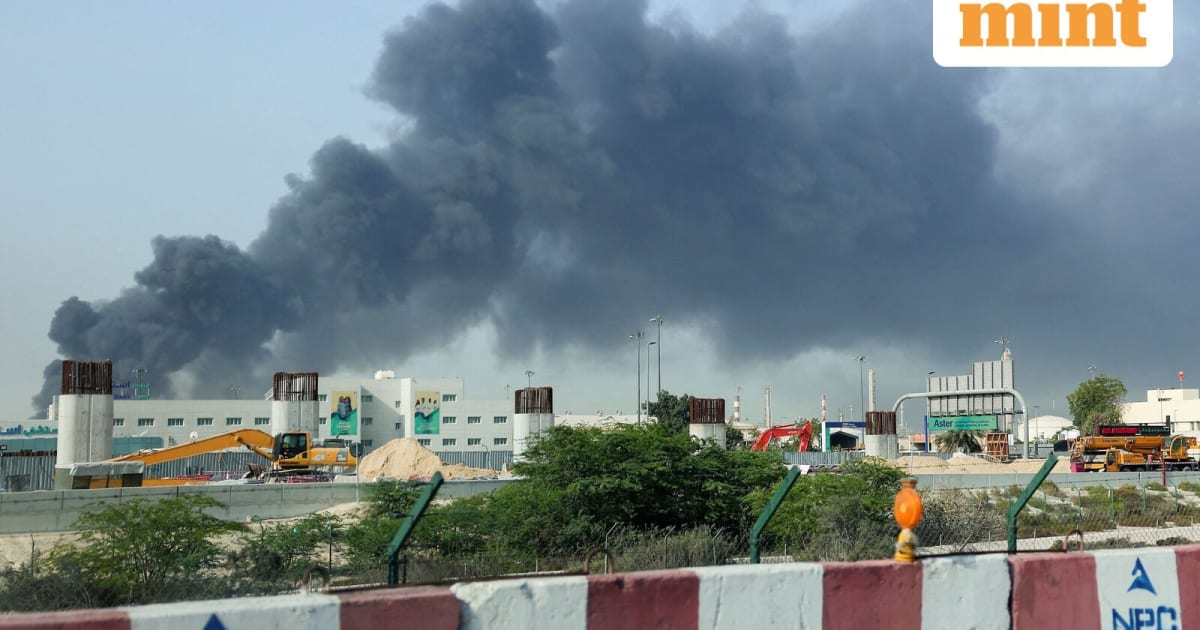
With a third of global seaborne oil transiting the Strait of Hormuz, the UAE’s move to release Iranian assets marks a pivotal shift in energy security. This analysis explores the ripple effects for Indian portfolios, identifying clear winners in the OMC and aviation space against the backdrop of cooling global energy prices.
The Strait of Hormuz Thaw: Why Global Energy Markets Are Re-Pricing
The geopolitical architecture of the Middle East is undergoing a quiet, high-stakes transformation. Reports confirming that the UAE is preparing to unfreeze billions in Iranian assets represent more than a diplomatic thaw; it is a calculated move to secure the Strait of Hormuz—the world’s most critical maritime energy chokepoint. Through this narrow waterway, nearly 21 million barrels of oil pass daily, accounting for roughly one-third of global seaborne petroleum.
For the Indian economy, which imports over 85% of its crude requirements, this de-escalation is a macroeconomic game-changer. By reducing the risk of kinetic conflict in the Persian Gulf, the 'geopolitical risk premium' embedded in Brent crude prices is poised to evaporate. This isn't just about headline prices; it is about the structural reduction of India's Current Account Deficit (CAD) and the subsequent relief for the Indian Rupee (INR).
How Does the UAE-Iran Deal Impact the Indian Stock Market?
History offers a stark reminder of what happens when these tensions flare. During the 2022 energy crisis, the Nifty 50 saw heightened volatility, with the Energy index underperforming as rising input costs crippled margins for downstream players. Conversely, this current de-escalation acts as a synthetic rate cut. Lower oil prices reduce the cost of living, boost disposable income, and allow the Reserve Bank of India (RBI) more room to maneuver on interest rates.
Sectoral Winners:
- Oil Marketing Companies (OMCs): Improved Gross Refining Margins (GRMs) as the cost of crude feedstock drops.
- Aviation: Fuel typically accounts for 35-40% of an airline's operating cost; lower prices directly expand EBIDTA margins.
- Paints and Chemicals: These sectors rely heavily on crude-derived derivatives (like propylene and ethylene). Lower oil prices act as an immediate margin expansion catalyst.
Stock-by-Stock Breakdown: Who Wins and Who Loses?
The OMCs: BPCL, HPCL, and IOC
The state-owned oil giants—Bharat Petroleum (BPCL), Hindustan Petroleum (HPCL), and Indian Oil Corporation (IOC)—are the primary beneficiaries. Historically, when crude prices stabilize, these firms see their marketing margins expand significantly. With current P/E ratios hovering in the 5x-8x range, these stocks remain undervalued relative to their cash-flow generation potential in a cooling energy environment.
Aviation: InterGlobe Aviation (IndiGo)
InterGlobe Aviation (INDIGO) is the clearest proxy for lower jet fuel prices. As the dominant player in the Indian skies, a 10% drop in crude prices can lead to a disproportionate expansion in net profit margins. Investors should watch for the 'fuel price pass-through' lag, which usually lasts 45 days.
The Losers: ONGC and Defense
It is not all upside. ONGC (Oil and Natural Gas Corporation) faces a potential headwind. As an upstream explorer, their realization price is pegged to global crude benchmarks. A decline in oil prices directly hits their top line. Similarly, the Defense Sector (e.g., HAL, Bharat Electronics) may see a cooling in sentiment as the 'immediate threat' narrative—which often justifies higher defense spending—loses its urgency.
Expert Perspective: The Bull vs. Bear Debate
The Bull Case: Proponents argue that the UAE’s move is a long-term structural pivot toward regional stability. They suggest that the reduction in energy import bills will catalyze a multi-year bull run for Indian consumer-facing stocks, as inflation subsides and interest rates potentially peak.
The Bear Case: Skeptics point to the fragility of Iran-US relations. If a new administration in Washington or a breakdown in back-channel talks occurs, the 'risk premium' could return with a vengeance, causing a sharp reversal in crude prices and market sentiment. They argue that relying on geopolitical stability in the Middle East is a high-beta strategy.
Investor Playbook: Navigating the Energy Shift
For the disciplined investor, this shift requires a tactical rebalancing of the portfolio.
- Accumulate: Focus on downstream OMCs (BPCL, HPCL) where dividend yields remain attractive and earnings are highly sensitive to crude price volatility.
- Watch: Monitor the Brent Crude spot price. If it breaks the $75/barrel floor, it signals a deeper structural trend that justifies increasing exposure to paint manufacturers (Asian Paints) and logistics firms.
- Trim: Consider trimming exposure to upstream oil explorers if you are already overweight, as their earnings cycle is now entering a potential contraction phase.
Risk Matrix: What Could Go Wrong?
| Risk Factor | Probability | Impact |
|---|---|---|
| US-Iran Negotiation Breakdown | Medium | High |
| Proxy Conflict Resurgence | Medium | High |
| OPEC+ Production Cuts | Low | Medium |
What to Watch Next: Catalysts for the Coming Month
The next 30 days are critical. Keep a close eye on the upcoming OPEC+ meeting minutes, as their production policy will either cement or undermine the UAE’s efforts to lower prices. Furthermore, any official statement from the US State Department regarding the unfreezing of Iranian assets will serve as the final 'green light' for market participants to price in this new reality. Investors should also monitor the monthly trade deficit data from the Ministry of Commerce for early signs of a cooling energy import bill.
See BPCL's AI Score
Our algorithmic screener scores BPCL on fundamentals, momentum, and risk — free to try, no card needed.
Try the AI Screener →Have questions about this story?
Ask Welth, our finance-focused AI research assistant, for a deeper breakdown — free trial included.
Chat with Welth AI →Disclaimer: This content is generated by WelthWest Research Desk based on publicly available reports and is for informational purposes only. It does not constitute financial advice, investment recommendations, or an offer to buy or sell securities. Always consult a qualified financial advisor before making investment decisions.
