Key Takeaway
The UK’s push toward a flexible stablecoin framework creates a 'regulatory FOMO' effect, forcing the RBI to accelerate its digital asset roadmap or risk losing domestic fintech capital to more agile global jurisdictions.
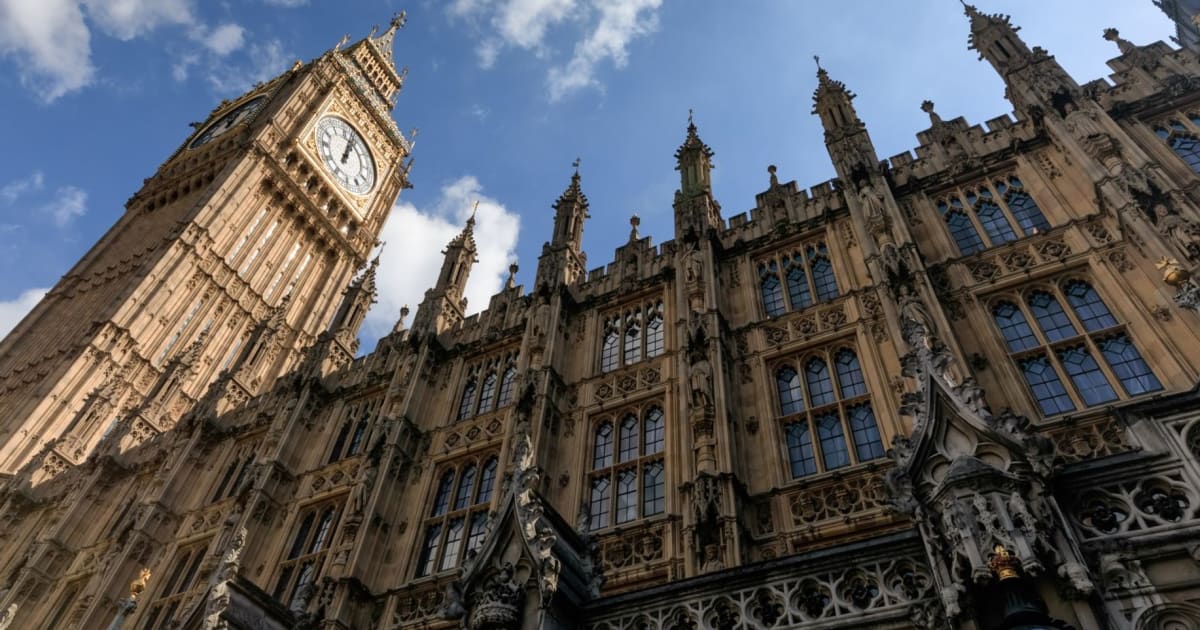
The Bank of England faces mounting pressure from the House of Lords to soften its restrictive stablecoin stance. For Indian investors, this signals a critical turning point: will India's regulatory environment evolve to foster blockchain innovation, or will it remain a laggard, impacting the valuation of domestic fintech and exchange-related stocks?
The Great Regulatory Pivot: Why the UK’s Stablecoin Shift Matters
In a move that sends shockwaves through global financial corridors, the UK House of Lords has formally challenged the Bank of England’s (BoE) restrictive approach to stablecoin regulation. By advocating for a more accommodative framework, the UK is signaling its intent to capture the next wave of financial innovation. For the Indian market, this is not merely a foreign policy update; it is a catalyst that exposes the widening gap between global fintech adoption and domestic regulatory inertia.
Historically, when major financial hubs pivot toward digital asset integration, capital flows shift rapidly. We observed a similar trend in 2022 when the UAE’s VARA framework triggered an exodus of crypto-native firms from more restrictive regions. If the UK succeeds in creating a 'sandbox' for stablecoins, the pressure on the Reserve Bank of India (RBI) to clarify its own stance on blockchain-based settlement systems will reach a boiling point.
How Will the UK’s Stablecoin Policy Affect Indian Fintech Stocks?
The Indian equity market is currently priced for a 'wait-and-see' approach regarding digital assets. However, the UK's move forces a revaluation of firms that act as the backbone of financial infrastructure. If India fails to provide a clear regulatory pathway, domestic firms may face a 'brain drain' of talent and a 'capital drain' of institutional liquidity toward UK-based entities.
The impact will be felt most acutely by companies that bridge the gap between traditional finance and digital assets. As the UK legitimizes stablecoins, the friction between legacy payment processors and blockchain-based alternatives will increase. Indian firms that have invested in proprietary blockchain infrastructure stand to gain if they can pivot to a regulated domestic model, while those tethered to legacy systems face potential disintermediation.
Stock-by-Stock Breakdown: The Winners and Losers
- BSE Ltd (BSE: 543207): With a market cap of approximately ₹85,000 Cr, BSE is ideally positioned to integrate digital asset trading if the regulatory climate thaws. Its P/E ratio, currently reflecting its status as a core exchange, would see significant multiple expansion if it becomes the primary venue for regulated tokenized assets.
- CDSL (BSE: 543373): As a central depository, CDSL is the silent beneficiary of digital asset growth. If stablecoins and tokenized assets become mainstream, CDSL’s role in securing these assets under a regulated framework makes it a 'moat' stock.
- 5Paisa Capital (BSE: 540776): A fintech-first broker, 5Paisa has the agility to implement crypto-trading modules faster than traditional incumbents. They stand to capture the retail demographic that is currently underserved by traditional banking giants.
- Angel One (BSE: 543235): With a robust tech stack and high retail engagement, Angel One’s ability to pivot toward digital wealth management makes it a key proxy for fintech innovation in India.
Expert Perspective: The Bull vs. Bear Case
The Bull Case: Proponents argue that the UK's move is the 'Bretton Woods' moment for digital assets. By forcing the BoE to reconsider, the UK is setting a standard that other G20 nations, including India, will eventually have to adopt to stay competitive. This will unlock massive volumes for Indian exchange-related stocks as they transition into multi-asset digital hubs.
The Bear Case: Skeptics, particularly those aligned with the RBI’s historical stance, argue that stablecoins pose systemic risks to monetary sovereignty. They contend that the UK is engaging in a 'race to the bottom' regarding regulatory standards, and that Indian firms embracing this path could face severe regulatory backlash, leading to capital impairment and license revocation.
Actionable Investor Playbook: Navigating the Shift
Investors should look for firms with strong balance sheets and high R&D spend in blockchain-related infrastructure. Focus on entities that are currently building the 'plumbing' for digital assets rather than those purely reliant on trading volumes. Entry points should be considered during volatility, specifically when regulatory news flow creates short-term noise. Maintain a 3-5 year horizon, as regulatory integration is a marathon, not a sprint.
Risk Matrix: Assessing the Volatility
| Risk | Probability | Impact |
|---|---|---|
| Regulatory Arbitrage (Capital Flight) | High | High |
| Central Bank Crackdown | Medium | Very High |
| Tech/Cybersecurity Failure | Medium | Medium |
| Global Liquidity Contraction | High | Medium |
What to Watch Next
Keep a close eye on the G20 working group meetings scheduled for Q3 and Q4, where international standards for stablecoins will be debated. Additionally, monitor any updates from the SEBI-RBI joint committee on digital assets. These are the catalysts that will determine whether Indian stock valuations in the fintech sector remain suppressed or experience a structural re-rating.
See 5Paisa Capital's AI Score
Our algorithmic screener scores 5Paisa Capital on fundamentals, momentum, and risk — free to try, no card needed.
Try the AI Screener →Have questions about this story?
Ask Welth, our finance-focused AI research assistant, for a deeper breakdown — free trial included.
Chat with Welth AI →Disclaimer: This content is generated by WelthWest Research Desk based on publicly available reports and is for informational purposes only. It does not constitute financial advice, investment recommendations, or an offer to buy or sell securities. Always consult a qualified financial advisor before making investment decisions.