Key Takeaway
The National Payments Corporation of India's (NPCI) introduction of a Merchant Discount Rate (MDR) on select Person-to-Merchant (P2M) UPI transactions exceeding ₹2,000 signifies a structural shift, potentially reshaping the digital payments landscape and impacting profitability for key fintech players and large merchants.
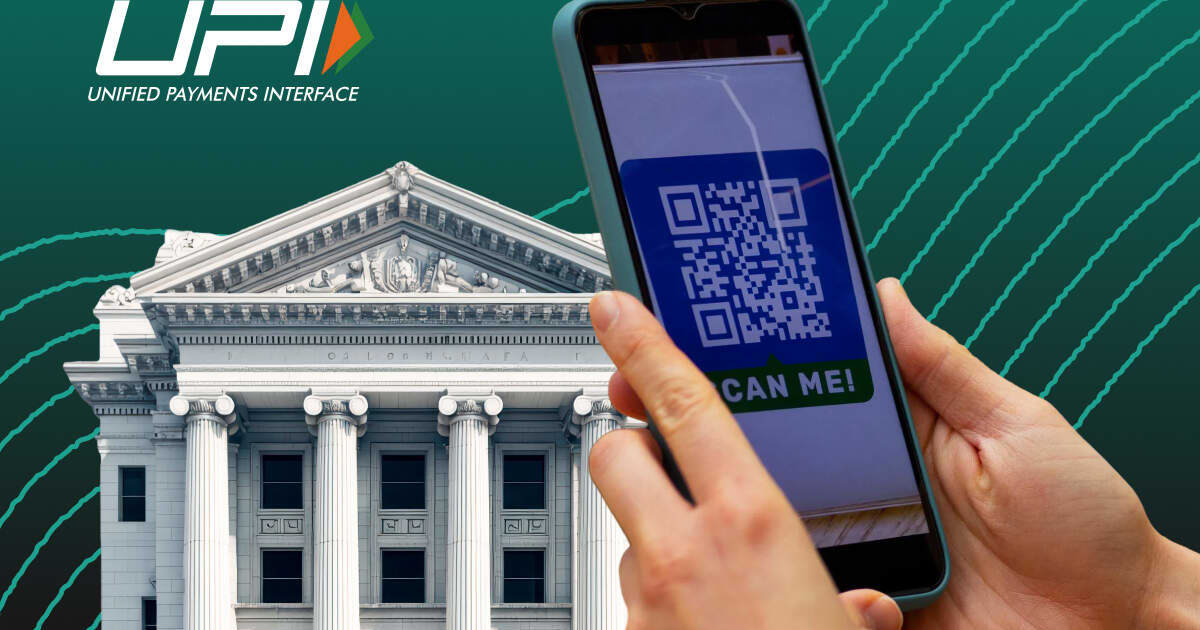
NPCI's recent move to levy a 0.4% MDR on UPI P2M transactions above ₹2,000 marks a pivotal moment, transitioning the ubiquitous payment system towards a monetized model for larger ticket sizes. This analysis dissects the immediate market implications, identifies potential winners and losers, and provides a granular view of how specific Indian stocks, including Paytm and Policybazaar, are poised to react. Investors must recalibrate their strategies in light of this fundamental change in the digital payments ecosystem.
UPI's Monetization Dawn: NPCI Introduces MDR on High-Value P2M Transactions
The ubiquitous digital payment network, Unified Payments Interface (UPI), has long been hailed as a game-changer for India's financial inclusion and digital transformation. For years, its seamless, zero-cost-to-merchant model has fueled unprecedented growth in digital transactions. However, this era of free merchant transactions for larger sums is now drawing to a close. The National Payments Corporation of India (NPCI), the governing body, has officially announced the introduction of a Merchant Discount Rate (MDR) on specific Person-to-Merchant (P2M) UPI transactions exceeding ₹2,000. This development, while seemingly incremental, represents a fundamental recalibration of the UPI ecosystem, shifting from a purely subsidized model to one that begins to recognize the underlying costs of processing these larger value transactions.
Why This Shift Matters Now: Navigating the New Cost Landscape
The introduction of MDR on UPI P2M transactions above ₹2,000 is not merely a policy tweak; it's a strategic pivot with far-reaching implications. For consumers, the vast majority of daily transactions, particularly those below the ₹2,000 threshold, will remain unaffected. However, for businesses that process a significant volume of higher-value payments, this new charge introduces a direct cost. This could range from online retailers selling electronics to larger service providers accepting advance payments. The rationale behind this move, as inferred from industry discourse, is to ensure the long-term sustainability and robustness of the UPI infrastructure, which has seen exponential growth and carries substantial operational and technological overheads. The NPCI likely aims to imbue a degree of cost recovery for the banks and payment processors involved in facilitating these transactions, thereby encouraging continued innovation and investment in the network.
This transition is particularly significant given UPI's rapid ascent. As of early 2024, UPI handles a staggering volume of transactions, often exceeding 10 billion monthly. While a 0.4% charge on transactions above ₹2,000 might appear small, its cumulative effect on high-frequency, high-value businesses could be substantial. It also sets a precedent for future policy considerations, potentially paving the way for broader monetization strategies within the digital payments space. The move signals a maturity in India's digital payment journey, where the focus is shifting from pure user acquisition and adoption to a more balanced approach that acknowledges operational economics.
Deep Market Impact Analysis: Reshaping the Digital Payments Sector
The introduction of UPI MDR on transactions exceeding ₹2,000 is poised to create ripples across India's dynamic financial services and fintech sectors. Historically, the zero-MDR regime for UPI merchants was a critical driver for its widespread adoption, particularly among small and medium-sized enterprises (SMEs). However, this new policy necessitates a re-evaluation of cost structures for businesses and the revenue models of digital payment service providers. The impact will not be uniform; it will disproportionately affect certain segments of the market.
For the broader Indian stock market, this development introduces a nuanced factor for investors in the financial services and technology sectors. Companies that have built their business models on facilitating high-volume, low-margin P2M UPI transactions will need to adapt. Conversely, entities that benefit from increased transaction processing, even with a small fee, or those with diversified revenue streams, might find themselves in a relatively stronger position. The sentiment surrounding these stocks will likely become more bifurcated, with growth expectations needing to be tempered for some and potential upside emerging for others.
Consider the historical context: the digital payments space in India has witnessed periods of intense competition and rapid evolution. Policies from the Reserve Bank of India (RBI) and NPCI have often been the primary catalysts for change. For instance, previous discussions and implementations around payment gateway charges have historically led to adjustments in stock valuations for listed entities. While direct historical parallels for a UPI-specific MDR on P2M are nascent, the broader impact on payment processing fees has, in the past, led to stock price volatility. For example, during periods of increased regulatory scrutiny on payment processing, related stocks have seen short-term corrections followed by a period of reassessment of long-term growth potential.
The sector-level breakdown reveals that the financial services sector, particularly the fintech sub-segment, will be under the most direct scrutiny. Banks with robust digital payment infrastructure and a strong merchant acquiring base might see a marginal uptick in fee income, provided they can effectively pass on or absorb these charges without significant customer attrition. However, the primary impact is felt by payment aggregators and gateways, who now have a new revenue stream, but also face the challenge of whether they can pass this cost on to their merchants without losing competitiveness, especially against other payment methods.
Will UPI MDR Affect Consumer Payment Behavior for Large Purchases?
A critical question for investors and market watchers is the potential shift in consumer behavior. While the MDR is levied on merchants, the ultimate cost can be passed on through higher prices or potentially lead consumers to seek alternative payment methods for transactions exceeding ₹2,000. If consumers perceive UPI as becoming more expensive for larger purchases, they might revert to traditional methods like credit cards (which already have MDR), net banking, or even cash for certain high-value transactions. This could indirectly impact the volumes processed by UPI platforms and, consequently, the revenue of fintech companies. The extent of this behavioral shift will be a key determinant of the actual market impact, making it a crucial factor to monitor in the coming quarters.
Stock-by-Stock Breakdown: Analyzing the Winners and Losers
The introduction of MDR on UPI P2M transactions above ₹2,000 creates a complex web of impacts for publicly listed companies in India. While the overall sentiment is neutral, the specific effects will vary significantly based on a company's business model, revenue mix, and merchant base. We will examine some of the key players in the Indian stock market that are likely to be affected.
Paytm (One97 Communications Ltd. - NSE: PAYTM)
Paytm, a dominant player in the digital payments and financial services space, is likely to experience a mixed impact. On one hand, the company's payment gateway business, which processes a significant volume of P2M transactions, could see an increase in revenue due to the MDR. However, Paytm also offers a wide array of services to its merchants, and the introduction of new charges, even if passed on, could add complexity to its merchant relationships. Furthermore, if the MDR leads to a significant shift in consumer payment preferences away from UPI for larger transactions, it could impact Paytm's overall transaction volume and its associated revenue streams. The company's market capitalization currently stands at approximately ₹18,000 crore, with a trailing P/E ratio that is often negative due to its growth-oriented strategy. Investors will be watching how effectively Paytm can absorb or pass on these costs without alienating its vast merchant network.
PB Fintech Ltd. (Policybazaar - NSE: POLICYBZR)
PB Fintech, the parent company of Policybazaar and Paisabazaar, operates in a sector where premium payments can often exceed ₹2,000. While the MDR is applied to the merchant, the cost implications for Policybazaar itself, or its ability to pass this on to its partners and ultimately to the end consumer, will be critical. The company's market cap is around ₹25,000 crore, and its P/E ratio is often high, reflecting investor expectations of future growth. If the MDR leads to a noticeable increase in the cost of acquiring insurance policies or other financial products through their platform, it could potentially dampen demand or necessitate adjustments in their commission structures. The impact here is more indirect but could influence the overall economics of digital insurance and lending platforms.
Fino Payments Bank Ltd. (NSE: FINOPAYB)
Fino Payments Bank, which operates a network of merchant points and offers a range of digital banking services, could see a direct impact. As a bank that facilitates UPI transactions, it will be involved in the processing of these MDR-levied payments. The introduction of MDR could provide a new revenue stream for Fino Payments Bank, particularly if it can leverage its merchant network effectively. However, the bank's customer base often includes a significant number of individuals and small businesses who might be sensitive to any increase in transaction costs. Its market cap is approximately ₹3,000 crore, with a forward P/E ratio indicating growth expectations. The challenge for Fino will be to balance revenue generation with maintaining customer loyalty and transaction volumes.
Airtel Payments Bank Ltd.
Similar to Fino Payments Bank, Airtel Payments Bank, backed by the telecom giant Bharti Airtel, is a significant player in the digital payments and banking space. Its extensive reach through Airtel's retail network positions it well to process P2M transactions. The introduction of MDR could lead to increased fee income. However, the company's strategy often involves offering competitive pricing to attract and retain customers. Any significant increase in operational costs due to MDR might necessitate strategic pricing adjustments. The indirect benefit for Airtel could be the continued strengthening of its digital ecosystem. While not directly listed as a standalone entity for this segment, its performance is intrinsically linked to the broader digital payments narrative.
Reliance Retail Ventures Ltd. (Part of Reliance Industries Ltd. - NSE: RELIANCE)
Reliance Retail, with its vast network of physical and online stores, processes a considerable volume of transactions. If Reliance Retail accepts UPI payments for high-value purchases (e.g., electronics, appliances, fashion items), the new MDR will directly impact its operational costs. While Reliance Retail's overall revenue is enormous, the specific impact of UPI MDR will depend on the proportion of its sales settled via UPI for transactions above ₹2,000. The company's scale might allow it to absorb these costs more readily than smaller businesses, but it could also influence their strategic decisions regarding payment acceptance methods. Reliance Industries, with a market cap exceeding ₹18 lakh crore, is a behemoth, and this specific MDR impact would be a minor component of its overall financial performance, but it's indicative of broader trends affecting large retailers.
Expert Perspective: Bulls vs. Bears on UPI MDR
The introduction of UPI MDR has ignited a debate among market participants, with differing perspectives from bulls and bears.
Bullish Argument: Proponents of the MDR argue that this is a necessary step towards the long-term sustainability of the UPI ecosystem. They believe that the charges are nominal and will not deter usage, especially for consumers and merchants accustomed to the convenience and efficiency of UPI. Furthermore, they posit that this creates a more level playing field with other payment methods that have always had an MDR. For payment gateway providers and banks, this represents a new, albeit modest, revenue stream that can be reinvested into innovation and infrastructure development. The bulls also highlight that the NPCI has carefully set the threshold at ₹2,000, ensuring that the vast majority of everyday transactions remain unaffected, thereby minimizing any negative impact on digital payment adoption.
Bearish Argument: Skeptics, however, express concerns about the potential for increased costs to be passed on to consumers, which could lead to a slowdown in digital payment adoption for certain segments. They worry that merchants, especially smaller ones, might find it challenging to absorb these new costs, leading to increased operational complexity or a reluctance to promote UPI for higher-value transactions. Bears also point out that this could benefit alternative payment methods that do not face similar MDR impositions or could lead to a fragmentation of the payment ecosystem. The concern is that any friction introduced into the frictionless UPI experience, however small, could have unintended consequences for the rapid growth trajectory observed so far.
Investor Playbook: Navigating the New UPI Landscape
For investors, the introduction of UPI MDR necessitates a strategic reassessment of their portfolios within the financial services and fintech sectors. The key is to identify companies that are best positioned to navigate this evolving cost structure and to avoid those that are most vulnerable.
- What to Buy: Focus on payment gateway providers and banks with diversified revenue streams and strong relationships with large merchants who are more likely to absorb or pass on costs. Companies that offer value-added services to merchants beyond just payment processing might also benefit as they can justify any increased costs through enhanced offerings. Look for companies with robust digital infrastructure and a proven ability to innovate.
- What to Sell/Avoid: Exercise caution with fintech companies that are heavily reliant on low-margin P2M UPI transaction volumes and have a significant base of small merchants who may be price-sensitive. Companies with limited pricing power or those operating in highly competitive segments where cost pass-through is difficult should be closely monitored.
- What to Watch: Closely observe the adoption rate of the MDR by merchants and any reported shifts in consumer payment behavior for transactions above ₹2,000. Monitor quarterly earnings reports for companies in the fintech and digital payments space for any explicit mention of the impact of UPI MDR on their revenues and profitability.
- Entry Points: For companies with strong fundamentals that might see a temporary dip due to market overreaction, consider strategic entry points during periods of irrational selling. However, prioritize long-term value creation over short-term speculation.
- Time Horizons: This is a medium-term to long-term structural change. Investors should adopt a patient approach, allowing the market to fully price in the impact and for companies to demonstrate their adaptation strategies. Short-term volatility is expected, but the focus should remain on sustainable business models.
Risk Matrix: Potential Pitfalls Ahead
While the introduction of UPI MDR is a calculated move by the NPCI, several risks could influence its ultimate impact:
- Merchant Adoption Rate (High Probability): The actual impact hinges on how widely merchants adopt the 0.4% MDR. If many large merchants choose not to implement it, or if it leads to significant merchant churn, the intended revenue generation will be hampered, and competitive dynamics could shift.
- Consumer Payment Shift (Medium Probability): A noticeable shift by consumers to alternative payment methods for transactions over ₹2,000 could significantly reduce the volume of MDR-eligible UPI transactions, impacting revenue projections for payment processors and fintechs.
- Operational Complexity for SMEs (Medium Probability): Smaller merchants might struggle with the added complexity of tracking and managing these new charges, potentially leading to errors or a preference for simpler payment systems, thereby slowing down digital adoption in that segment.
- Regulatory Repercussions (Low Probability): While unlikely in the short term, any significant negative fallout or widespread dissatisfaction could prompt further regulatory review or adjustments to the MDR policy, creating uncertainty.
What to Watch Next: Catalysts and Data Points
The narrative around UPI MDR will continue to evolve, driven by several key factors and upcoming data releases:
- NPCI Transaction Data: Regular releases of UPI transaction volumes and values will be crucial. Investors should look for any divergence in the growth trajectory of transactions above ₹2,000 compared to those below.
- Quarterly Earnings Reports: The financial results of listed fintech companies and banks will provide concrete data on how the MDR is affecting their revenue, profitability, and merchant relationships. Pay close attention to management commentary regarding this specific policy change.
- Merchant Surveys and Industry Feedback: Anecdotal evidence and formal surveys from merchant associations will offer insights into the practical challenges and adoption rates of the MDR.
- Consumer Behavior Studies: Any independent studies or reports analyzing consumer payment preferences for high-value transactions will be invaluable in assessing the long-term impact on transaction volumes.
The introduction of MDR on UPI P2M transactions above ₹2,000 marks a significant turning point. While it promises greater sustainability for the digital payments infrastructure, its implementation will undoubtedly reshape the competitive landscape and necessitate careful strategic navigation by both businesses and investors.
See PAYTM's AI Score
Our algorithmic screener scores PAYTM on fundamentals, momentum, and risk — free to try, no card needed.
Try the AI Screener →Have questions about this story?
Ask Welth, our finance-focused AI research assistant, for a deeper breakdown — free trial included.
Chat with Welth AI →Disclaimer: This content is generated by WelthWest Research Desk based on publicly available reports and is for informational purposes only. It does not constitute financial advice, investment recommendations, or an offer to buy or sell securities. Always consult a qualified financial advisor before making investment decisions.