Key Takeaway
Taiwan's secured preferential US chip tariff terms provide a crucial, albeit temporary, shield for global semiconductor supply chains, offering a buffer for Indian IT hardware manufacturers. While immediate market impact is muted, the underlying threat of future tariffs necessitates strategic vigilance for investors.
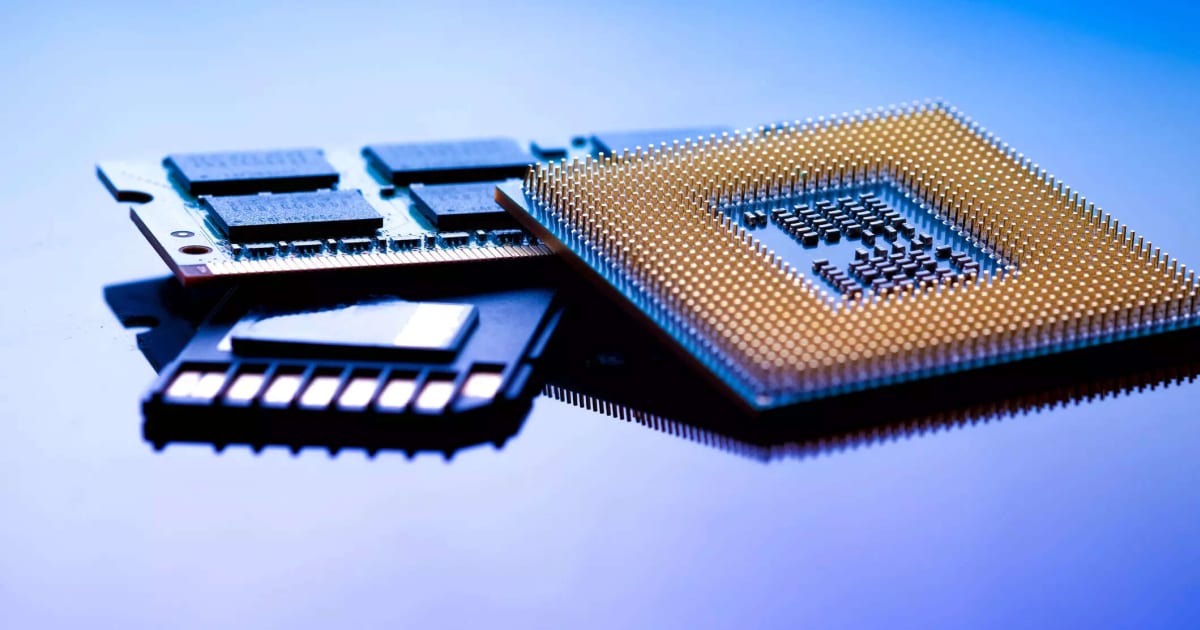
A recent agreement granting Taiwan preferential terms on potential US chip tariffs has averted immediate disruption to global semiconductor flows. This development is a significant tailwind for Indian IT hardware manufacturers, mitigating near-term cost pressures. However, the specter of future tariffs looms, demanding a nuanced approach from investors.
Taiwan Chip Tariff Deal: Navigating the Nuances for Indian Investors
In a development that has sent ripples through the global technology landscape, Taiwan has secured preferential terms concerning potential United States tariffs on semiconductor exports. This strategic agreement, while not eliminating the possibility of future duties, effectively defers any immediate punitive measures. For India’s burgeoning technology sector, particularly its nascent but crucial IT hardware manufacturing base, this news offers a welcome period of stability, allowing for continued growth without the immediate specter of escalating component costs. The implications, though indirect, are significant for Indian stock market participants looking to capitalize on the digital economy’s expansion.
What Just Happened? The US-Taiwan Semiconductor Accord Explained
The core of this development lies in an understanding between the US and Taiwan that delays the imposition of tariffs on Taiwanese semiconductor shipments. While the specifics remain largely undisclosed, the essence is that Taiwan's critical role in the global chip supply chain has been recognized, leading to a more measured approach from the US administration. This is particularly pertinent given Taiwan's dominance in advanced chip manufacturing, with companies like Taiwan Semiconductor Manufacturing Company (TSMC) producing a substantial portion of the world's most sophisticated processors. The absence of a defined timetable for these potential tariffs is a key takeaway, suggesting a commitment to ongoing dialogue rather than immediate punitive action. This strategic pause is critical because it allows global electronics manufacturers, including those in India, to maintain their existing supply chain configurations and pricing models without sudden shocks. The global semiconductor market is notoriously sensitive to disruptions; any significant tariff imposition could have cascaded through pricing for everything from smartphones and laptops to automotive electronics and industrial machinery. Therefore, this preferential treatment for Taiwan acts as a vital circuit breaker, preventing immediate volatility.
Why This Matters Now: The Interconnectedness of Global Tech Supply Chains
The significance of this US-Taiwan accord cannot be overstated, especially when viewed through the lens of India's economic aspirations. India is actively pushing for greater domestic manufacturing of electronics, a cornerstone of its 'Make in India' initiative and its ambition to become a global electronics manufacturing hub. The success of these initiatives hinges on a stable and predictable supply of critical components, chief among them semiconductors. Any tariffs, even if initially targeting specific regions, inevitably create price inflation across the board. Indian manufacturers, already contending with logistics and raw material costs, would face an additional burden, potentially eroding their competitive edge against established global players. This preferential treatment for Taiwan, therefore, translates directly into a more stable operating environment for Indian IT hardware assemblers and component importers. It provides a crucial breathing room, allowing them to solidify their supply chains and scale operations before any potential future tariff landscape materializes. The global semiconductor ecosystem is incredibly concentrated, with a few key players, primarily in Taiwan and South Korea, holding immense sway. Any policy shift impacting these hubs has far-reaching consequences, impacting innovation cycles, product development timelines, and ultimately, consumer prices. The current accord, by mitigating immediate tariff risks, fosters an environment conducive to continued investment and expansion within this critical sector.
Deep Market Impact Analysis: Connecting Taiwan's Deal to Indian Stock Performance
While the immediate impact on the Indian stock market is assessed as low to neutral, the indirect benefits are substantial and warrant careful consideration by savvy investors. The stability imparted to the global semiconductor ecosystem directly benefits Indian IT hardware manufacturers by ensuring continuity in their component sourcing and pricing strategies. This stability is particularly important for sectors heavily reliant on imported electronic components, such as consumer electronics, personal computers, and networking equipment. For instance, companies that assemble laptops and smartphones in India depend on a steady flow of processors, memory chips, and display panels. A sudden spike in the cost of these components due to tariffs would directly impact their profit margins and competitiveness. The absence of immediate tariff threats allows these companies to plan their production cycles and inventory management with greater confidence. Historically, disruptions in global supply chains have often led to significant volatility in related stock markets. For example, during the global chip shortage of 2021-2022, the stocks of many electronics manufacturers experienced significant price swings as they struggled with component availability and rising costs. The current situation, by averting a similar immediate crisis, helps to prevent such drastic fluctuations in the Indian market. The Nifty IT index, which includes major IT services companies, might see a less pronounced direct impact, as their revenue is primarily driven by services rather than hardware manufacturing. However, the broader digital economy, fueled by accessible and affordable electronics, is a crucial underlying driver for IT services growth. Therefore, a stable hardware ecosystem indirectly supports the long-term prospects of the IT services sector as well.
How Will Taiwan's Chip Tariff Deal Affect Indian IT Hardware Manufacturing?
The preferential US tariff terms for Taiwan offer a critical reprieve for India's burgeoning IT hardware manufacturing sector. Companies engaged in the assembly and production of laptops, desktops, servers, and other electronic devices within India are heavily reliant on imported semiconductor components. The dominance of Taiwanese foundries, including TSMC, in producing advanced and foundational chips means that any US tariff imposition without preferential terms would have directly translated into higher input costs for Indian manufacturers. This would have put them at a significant disadvantage against international competitors and potentially slowed down the government's push for domestic electronics production. The current agreement effectively postpones this immediate cost escalation, allowing Indian firms to maintain their current pricing structures and operational efficiencies. This stability is crucial for attracting further investment and scaling manufacturing capacities. For example, a company like Dixon Technologies (India) Ltd., a major player in contract manufacturing for electronics, benefits from this stability as it reduces the risk of sudden cost increases for the devices it produces for various brands. Similarly, Lava International, which focuses on domestic smartphone manufacturing, can continue its operations without the immediate threat of elevated component prices impacting its affordability strategy. The long-term outlook for Indian IT hardware manufacturing, therefore, remains more robust due to this diplomatic resolution. It allows the sector to focus on enhancing its manufacturing capabilities, improving quality, and expanding its market reach, rather than being sidetracked by external trade policy shocks.
Potential Beneficiaries and Those Left Behind: A Stock-by-Stock Breakdown
While the immediate impact is broadly positive for the sector, discerning investors can identify specific stock beneficiaries and potential underperformers based on their supply chain dependencies and market positioning. The primary beneficiaries are those Indian companies deeply integrated into the global electronics supply chain, particularly those involved in the assembly and manufacturing of finished electronic goods. These companies can now operate with greater certainty regarding their input costs.
- Dixon Technologies (India) Ltd. (NSE: DIXON): As a leading contract manufacturer for a wide array of electronic products, Dixon’s fortunes are closely tied to the cost and availability of components. The deferral of US tariffs on Taiwanese chips directly reduces the risk of margin compression for Dixon. Its revenue for FY23 stood at approximately ₹16,000 crore, with a significant portion derived from consumer electronics and home appliances. A stable component supply chain underpins its growth trajectory.
- Lava International Ltd. (BSE: 543572): This Indian smartphone manufacturer, with its focus on the domestic market, relies heavily on imported chipsets. The absence of immediate tariff hikes allows Lava to continue offering competitive pricing for its products, thereby supporting its market share ambitions. Its recent revenue growth indicates a positive operational environment, which this tariff deal helps to preserve.
- Amber Enterprises India Ltd. (NSE: AMBER): Primarily involved in the manufacturing of room air conditioners and components, Amber Enterprises also produces other consumer durables. Its business model benefits from stable input costs, making the preferential tariff terms a significant positive for its operational planning and profitability. The company reported revenues of over ₹5,700 crore in FY23.
- Syrma SGS Technology Ltd. (NSE: SYRMA): This electronics manufacturing services (EMS) provider caters to diverse sectors including automotive, industrial, and consumer electronics. Its diverse product portfolio means it benefits from stability across multiple end-markets. Syrma's ability to secure and deliver components without sudden price shocks is crucial for its performance. Its revenue for FY23 was around ₹3,600 crore.
- Centum Electronics Ltd. (NSE: CENTUM): While perhaps smaller in scale compared to some peers, Centum Electronics is involved in the design and manufacturing of electronic sub-assemblies and systems. Its business is sensitive to component costs, and the current development provides a more predictable operating environment.
Conversely, companies that might have benefited from a potential shift away from Taiwanese chip dominance, perhaps through increased investment in alternative sourcing or domestic chip fabrication capacity, may find their strategic advantage diminished in the short term. However, the long-term trend towards diversified semiconductor supply chains remains, and this deal is seen as a temporary reprieve rather than a permanent solution.
Expert Perspective: Bulls vs. Bears on the US-Taiwan Chip Accord
The market reaction to such developments often presents a spectrum of opinions. Bulls, optimistic about the sustained growth of the technology sector and India's manufacturing ambitions, will view this accord as a net positive, reinforcing the stability required for continued investment and expansion. They argue that the focus can now return to fundamental growth drivers, such as increasing domestic demand for electronics and government support for manufacturing.
“This agreement is a testament to the strategic importance of Taiwan in the global tech ecosystem. For Indian manufacturers, it’s a clear signal that the immediate headwinds from trade policy have been temporarily cleared, allowing them to focus on execution and scaling.” – A senior analyst at a leading Mumbai-based brokerage.
Bears, on the other hand, will highlight the inherent risks and the temporary nature of the reprieve. They will point to the absence of a definitive timetable for potential future tariffs, suggesting that the underlying geopolitical tensions and trade policy shifts remain a latent threat. Their argument is that while the immediate crisis is averted, the structural challenges in global semiconductor supply chains and the potential for future protectionist measures persist. They might argue that companies should not become complacent and should continue to explore diversification and risk mitigation strategies.
“While a welcome development, this is merely a pause, not an end to the trade tensions. The US administration’s stance on critical technologies can shift, and any future escalation could still impact component costs for Indian manufacturers. Vigilance is paramount.” – A market commentator specializing in global trade dynamics.
Actionable Investor Playbook: What to Buy, Sell, or Watch
For investors navigating the complexities of the technology and manufacturing sectors in India, the US-Taiwan chip tariff deal necessitates a strategic, rather than reactive, approach. The current sentiment is neutral to slightly positive, with a low immediate impact, but the long-term implications of trade policy remain a significant factor.
- What to Buy: Focus on well-managed Indian IT hardware manufacturers and EMS providers with strong balance sheets and diversified product portfolios. Companies like Dixon Technologies and Amber Enterprises, which have demonstrated consistent revenue growth and profitability, are attractive at current valuations, assuming they are not already trading at exorbitant multiples. Look for companies with robust order books and clear expansion plans that are now less susceptible to immediate input cost shocks.
- What to Sell/Avoid: While no immediate sell-offs are warranted based solely on this news, investors should be wary of companies with very thin margins that are highly exposed to single-source component imports without strong hedging strategies. Companies that are heavily reliant on legacy technology or have weak supply chain management might face challenges if future trade dynamics shift unfavorably.
- What to Watch For: Closely monitor any further statements from US trade officials regarding semiconductor policy and the timeline for potential future tariff reviews. Keep an eye on the financial reports of key Taiwanese chipmakers for any subtle shifts in their order books or pricing strategies. For Indian companies, observe their quarterly results for any commentary on supply chain stability, component costs, and their strategies for managing future trade risks.
- Entry Points: For companies identified as strong buys, consider accumulating positions during market dips or periods of broader sector consolidation. Avoid chasing rallies driven solely by short-term news. A disciplined approach, perhaps dollar-cost averaging into quality stocks, is advisable.
- Time Horizons: This is a medium to long-term play. The benefits of a stable component supply chain will materialize over several quarters, supporting sustained growth for Indian manufacturers. Investors should adopt a horizon of at least 18-24 months to fully realize the potential upside.
Risk Matrix: Potential Pitfalls for the Tech Sector
Despite the current relief, several risks persist that could influence the trajectory of the technology and hardware manufacturing sectors in India.
- Risk 1: Geopolitical Shifts and US Trade Policy Reversals: Probability: Medium. The US administration's stance on trade and technology can evolve. A significant shift in geopolitical alliances or a change in US domestic policy could lead to the reintroduction or escalation of tariffs, even if current terms are preferential. This could quickly alter the cost structure for Indian manufacturers.
- Risk 2: Escalation of Global Trade Tensions: Probability: Low to Medium. The US-Taiwan accord is a bilateral agreement. Broader global trade disputes or retaliatory measures from other nations could indirectly impact supply chains and logistics, even if direct tariffs on Taiwanese chips are avoided.
- Risk 3: Supply Chain Bottlenecks Beyond Tariffs: Probability: Medium. Even without tariffs, the global semiconductor supply chain is complex and prone to disruptions from factors like natural disasters, manufacturing plant issues, or unexpected demand surges. India's reliance on imported components means it remains vulnerable to these broader systemic risks.
- Risk 4: Limited Long-Term Diversification of Chip Sources: Probability: Medium. While this deal provides immediate relief, it doesn't fundamentally alter the global concentration of advanced chip manufacturing. If future geopolitical pressures intensify, the lack of readily available, cost-competitive alternative chip sources could become a more pronounced issue.
What to Watch Next: Upcoming Catalysts and Data Points
The narrative surrounding US chip tariffs and their impact on global supply chains is dynamic. Investors should monitor several key upcoming events and data releases:
- US Treasury and Commerce Department Statements: Any official pronouncements regarding US trade policy towards semiconductors, particularly regarding Taiwan, will be crucial. Look for any indications of a review timetable or specific triggers for tariff imposition.
- Quarterly Earnings Reports of Key Taiwanese Chipmakers: Companies like TSMC will report their earnings and provide guidance. Their commentary on order books, global demand, and supply chain dynamics will offer insights into the health of the semiconductor ecosystem.
- Indian Government Policy Announcements: Keep an eye on any new incentives or policy shifts related to domestic electronics manufacturing, particularly those aimed at reducing reliance on imported components or encouraging local chip design and fabrication.
- Global Semiconductor Sales Data: Reports from industry bodies like the Semiconductor Industry Association (SIA) will provide a broader picture of global demand and supply trends, which can indirectly influence pricing and availability for Indian manufacturers.
- Geopolitical Developments in Asia-Pacific: Tensions or resolutions in the broader regional geopolitical landscape can significantly influence trade policies and supply chain stability.
In conclusion, the preferential US tariff terms for Taiwan represent a short-term strategic victory for global supply chain stability, offering a valuable window of opportunity for India's growing IT hardware sector. While the immediate impact on Indian markets is muted, the long-term implications of maintaining competitive input costs are substantial. Investors who understand these nuances and remain vigilant to evolving geopolitical and trade dynamics will be best positioned to capitalize on the opportunities within India's digital economy.
Run a free AI Stock Screen
Our algorithmic screener scores any NSE/BSE stock on fundamentals, momentum, and risk — free to try, no card needed.
Try the AI Screener →Have questions about this story?
Ask Welth, our finance-focused AI research assistant, for a deeper breakdown — free trial included.
Chat with Welth AI →Disclaimer: This content is generated by WelthWest Research Desk based on publicly available reports and is for informational purposes only. It does not constitute financial advice, investment recommendations, or an offer to buy or sell securities. Always consult a qualified financial advisor before making investment decisions.
