Key Takeaway
The return of sticky US inflation forces a ‘higher-for-longer’ interest rate regime, effectively slamming the door on imminent rate cuts. Investors must pivot from leveraged growth stocks to defensive, export-oriented plays and energy-hedged portfolios.
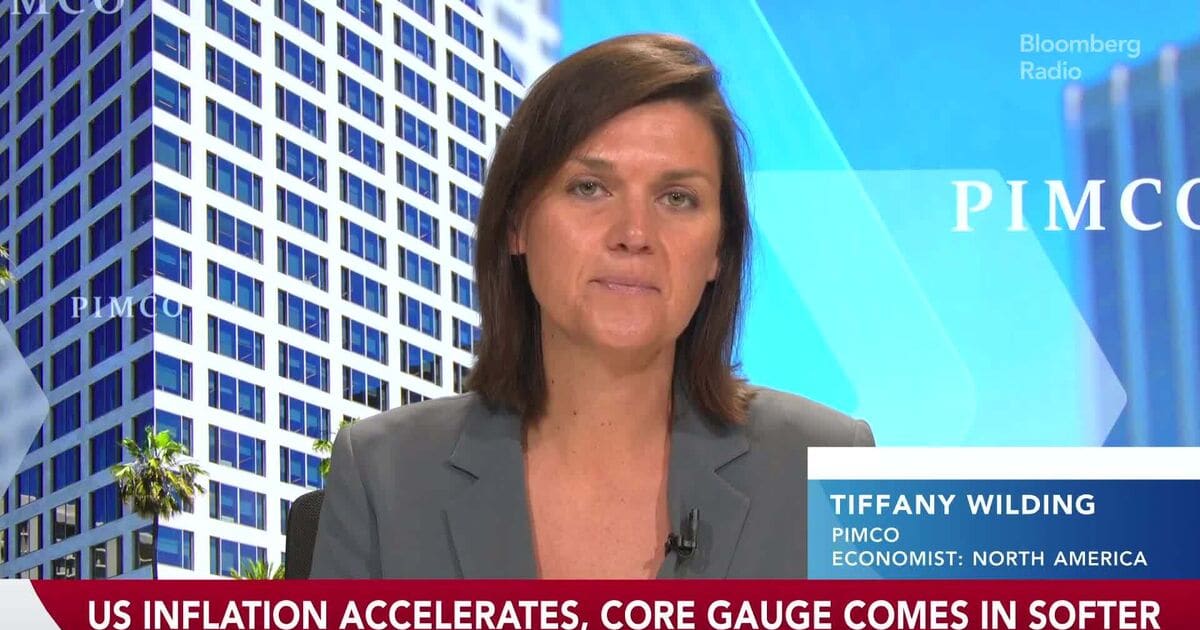
Geopolitical volatility in West Asia has pushed US inflation to a three-year peak, triggering a global risk-off sentiment. This deep dive analyzes the ripple effects on the Indian equity market, the Rupee’s vulnerability, and the shifting dynamics between oil-sensitive sectors and IT exporters.
The Macro Shock: Why US Inflation Matters to Dalal Street
The latest US inflation data has delivered a reality check to global equity markets. By hitting a three-year high, the Consumer Price Index (CPI) has effectively dismantled the 'soft landing' narrative that fueled the late-cycle rally of early 2024. For the Indian investor, this isn't just an American story; it is a direct transmission mechanism for volatility.
When US inflation stays elevated, the Federal Reserve is forced to maintain a hawkish stance. This keeps the US 10-year Treasury yield elevated, which acts as a vacuum, pulling capital out of emerging markets like India. As Foreign Institutional Investors (FIIs) repatriate capital to chase higher risk-free returns in the US, the Indian Rupee faces immediate depreciation pressure, further complicating the Reserve Bank of India’s (RBI) monetary policy calculus.
How will the US inflation surge impact the RBI's interest rate policy?
The RBI finds itself in a precarious ‘trilemma.’ It must balance domestic growth with the need to protect the Rupee and manage imported inflation. Historically, during the 2022 inflation spike, the Nifty 50 corrected by nearly 12% as the Fed began its aggressive tightening cycle. Today, the situation is exacerbated by West Asia geopolitical tensions, which act as a floor for crude oil prices.
If the RBI cuts rates prematurely to support domestic credit growth, it risks a currency tailspin. Conversely, maintaining high rates to match the Fed’s hawkishness risks stifling the Capex cycle in infrastructure and manufacturing. Investors should brace for a prolonged period of stagnant liquidity, where stock selection will matter far more than index-level beta.
Sectoral Winners and Losers: A Zero-Sum Game
The current environment creates a distinct divergence in performance. We are witnessing a rotation out of input-cost-sensitive sectors and into those with pricing power or forex hedging.
The Winners: Energy and IT
- ONGC & OIL (Oil India Ltd): As geopolitical shocks sustain Brent crude prices, upstream companies benefit from higher realisations. ONGC’s P/E ratio, currently trading at a discount to historical averages, provides a margin of safety against broader market volatility.
- TCS & Infosys: While domestic demand may soften, the strength of the USD against the INR is a massive tailwind for Indian IT giants. With 70%+ of revenue denominated in USD, these firms act as a natural hedge for portfolios against a depreciating Rupee.
The Losers: OMCs and Discretionary Consumption
- InterGlobe Aviation (IndiGo): Jet fuel (ATF) accounts for nearly 40% of operating expenses. Persistent energy inflation directly eats into margins, making the sector highly vulnerable.
- Asian Paints: With crude oil as a primary feedstock for polymers and solvents, the company faces a 'double whammy' of rising input costs and sluggish demand in a high-interest-rate environment.
Stock-by-Stock Breakdown: Analyzing the Impact
1. Reliance Industries (RIL): As a vertically integrated energy giant, RIL is a nuanced play. While its refining margins (GRMs) face pressure from volatile crude, its O2C (Oil to Chemicals) segment provides a buffer. With a market cap exceeding ₹19 lakh crore, it remains a bellwether to watch for institutional sentiment.
2. InterGlobe Aviation: The stock has historically shown a strong negative correlation with crude prices. Expect margin compression if oil remains above $85/barrel for more than two consecutive quarters.
3. Infosys: As US enterprise spending remains cautious, Infosys’s ability to maintain margins via operational efficiency will be tested. However, a strong USD provides a valuation floor that domestic-focused firms lack.
4. Asian Paints: Historically sensitive to crude, the stock has struggled to maintain double-digit growth in high-inflation cycles. Investors should monitor volume growth metrics closely rather than just top-line revenue.
The Expert Perspective: Bulls vs. Bears
The bullish argument rests on India’s structural growth story—that domestic consumption will decouple from global energy shocks. Conversely, the bearish camp highlights the vulnerability of the Current Account Deficit (CAD) to oil prices, arguing that the market is severely underpricing the risk of a stagflationary environment where growth slows while inflation remains stubborn.
Actionable Investor Playbook
To navigate this volatility, we recommend a three-pronged approach:
- Defensive Rotation: Trim exposure to debt-heavy infrastructure firms that are highly sensitive to interest rate hikes. Shift capital into high-cash-flow, low-debt IT exporters.
- Energy Hedging: Maintain a 5-8% allocation in upstream oil stocks. They serve as a 'dividend-yielding hedge' against the very inflation that hurts your consumption stocks.
- Time Horizon Strategy: Shift from short-term momentum trading to a 24-month horizon. The current volatility is a valuation reset, not a structural collapse. Use dips in quality, cash-rich large-cap stocks to accumulate.
Risk Matrix
| Risk Factor | Probability | Impact |
|---|---|---|
| Stagflationary Pressure | Medium | High |
| FII Outflow Surge | High | Moderate |
| Geopolitical Escalation | Medium | High |
What to Watch Next
Investors should track the upcoming US Fed FOMC minutes and India's monthly trade deficit data. Any significant widening of the trade gap due to crude imports will be a signal to reduce exposure to the Rupee-sensitive sectors. Additionally, monitor the RBI MPC meeting notes for any shift in language regarding the 'neutral' stance—a move toward overt hawkishness would be a clear sell signal for high-beta stocks.
See ONGC's AI Score
Our algorithmic screener scores ONGC on fundamentals, momentum, and risk — free to try, no card needed.
Try the AI Screener →Have questions about this story?
Ask Welth, our finance-focused AI research assistant, for a deeper breakdown — free trial included.
Chat with Welth AI →Disclaimer: This content is generated by WelthWest Research Desk based on publicly available reports and is for informational purposes only. It does not constitute financial advice, investment recommendations, or an offer to buy or sell securities. Always consult a qualified financial advisor before making investment decisions.