Key Takeaway
The US-Iran escalation acts as a double-edged sword: it drains liquidity from emerging markets via FII outflows while simultaneously forcing a re-allocation into defensive assets like gold and domestic defense manufacturers.
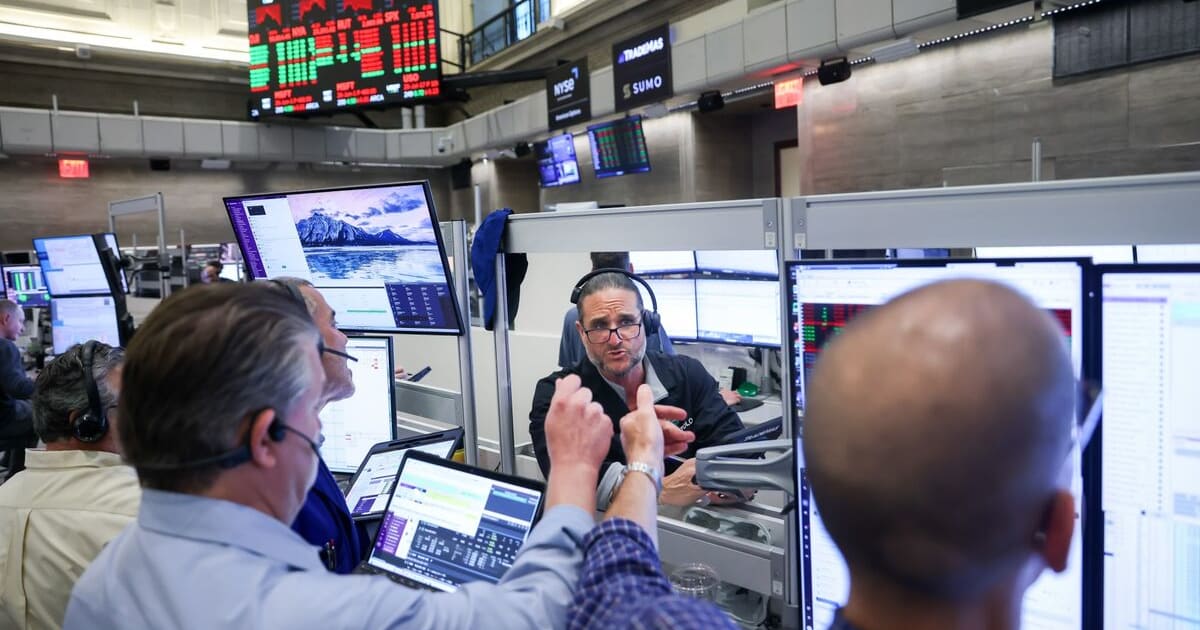
Geopolitical friction in the Middle East is threatening global energy stability, with direct consequences for India's import-heavy economy. We analyze the shift in market sentiment, the impact on the rupee, and which sectors are poised for a defensive rotation.
The Geopolitical Pivot: Why the US-Iran Flare-up Changes Everything
The sudden escalation in US-Iran hostilities has shattered the fragile calm of global energy markets. For the Indian investor, this is not merely a headline in the Middle East; it is a fundamental shift in the macroeconomic variables that dictate the Nifty 50’s trajectory. As crude oil prices react to the specter of supply chain disruptions in the Strait of Hormuz, the Indian economy—which imports over 85% of its crude requirements—finds itself at the epicenter of a 'risk-off' trade.
Historically, when geopolitical risk premiums rise, Foreign Institutional Investors (FIIs) accelerate outflows from emerging markets (EMs) to seek shelter in the USD and gold. During the 2022 energy crisis, we saw the Nifty 50 face significant volatility as the Brent crude price breached the $100/barrel threshold. Today, we are witnessing a similar psychological threshold being tested.
How does the oil-rupee correlation affect my portfolio?
The correlation is simple but brutal: every $10 rise in crude oil prices typically widens India's Current Account Deficit (CAD) by approximately 0.4% to 0.5% of GDP. This puts immediate downward pressure on the Indian Rupee (INR). As the currency depreciates, import costs rise, fueling domestic inflation. This cycle forces the Reserve Bank of India (RBI) into a corner—do they hike rates to combat inflation, or keep them steady to support growth? Investors must realize that higher rates for longer will compress the P/E ratios of interest-rate-sensitive stocks, particularly in the banking and real estate sectors.
Sectoral Winners and Losers: A Deep Dive
The market is currently undergoing a violent rotation. Capital is migrating from high-beta, growth-oriented stocks to defensive, state-backed entities.
The Winners: Energy and Defence
- Upstream Oil & Gas (ONGC, OIL): These companies benefit from higher realization prices per barrel. As crude prices climb, the bottom-line margins for ONGC expand, often outperforming the broader market during inflationary cycles.
- Defence (HAL, BEL): Geopolitical uncertainty is the ultimate tailwind for the defence sector. With the Indian government’s focus on 'Aatmanirbhar Bharat' (self-reliance), companies like Hindustan Aeronautics Ltd (HAL) and Bharat Electronics Ltd (BEL) are seeing sustained order book growth that remains insulated from consumer spending volatility.
The Losers: OMCs, Aviation, and Auto
- Oil Marketing Companies (HPCL, BPCL): These companies are the first to feel the heat. When global crude prices rise, OMCs face margin compression if they cannot pass the costs to the consumer. With elections or political sensitivity often capping retail fuel prices, their profitability becomes highly erratic.
- Aviation (InterGlobe Aviation/IndiGo): Aviation Turbine Fuel (ATF) accounts for nearly 40% of an airline's operating cost. A sustained spike in crude prices directly threatens the operating margins of carriers like IndiGo, making them highly vulnerable to sudden price shocks.
Stock-by-Stock Breakdown
ONGC (BSE: 500312): With a market cap exceeding ₹4 trillion, ONGC is the primary beneficiary of high crude prices. Investors should watch for the 'windfall tax' adjustments, which are the government's way of skimming excess profits. Bull case: High crude prices drive record EBITDA. Bear case: Government intervention through taxes.
Hindustan Aeronautics Ltd (HAL): Currently trading at a premium P/E, HAL is the gold standard for the Indian defence rally. Its strong order book provides a buffer against broader market volatility. Insight: Look for mid-term corrections as entry points, as the long-term cycle remains bullish.
InterGlobe Aviation (IndiGo): Despite its dominant market share, the stock is highly sensitive to the INR-USD exchange rate. A weak rupee combined with expensive fuel creates a 'perfect storm' for margin contraction.
Expert Perspective: Bulls vs. Bears
The Bear Case: The 'stagflation' narrative. Bears argue that if oil stays above $90 for a sustained period, the RBI will be unable to cut rates, stalling the credit cycle and forcing a correction in FII-heavy large-cap stocks that have been the market's backbone for two years.
The Bull Case: The 'strategic resilience' narrative. Bulls contend that India’s forex reserves are at record highs, and the diversification of oil import sources provides a structural floor that was missing during the 2013 'taper tantrum'.
Actionable Investor Playbook
- Defensive Reallocation: Reduce exposure to high-beta auto and consumer discretionary stocks. Increase allocation to gold ETFs and defensive PSU stocks.
- The 'Watch' List: Monitor the Brent-WTI spread. If the spread widens, it indicates shipping lane disruption, which is a signal to trim exposure to logistics and import-heavy manufacturing.
- Time Horizon: This is not a trade for the faint-hearted. Adopt a 6-12 month horizon, looking for 'buy-on-dip' opportunities in defence stocks during broader market sell-offs.
Risk Matrix
| Risk Factor | Probability | Impact |
|---|---|---|
| Sustained $100+ Oil | Moderate | High |
| RBI Interest Rate Hike | Low | Very High |
| Global Shipping Lane Blockage | Moderate | High |
What to Watch Next
Investors must keep a close eye on the upcoming RBI Monetary Policy Committee (MPC) meeting minutes, as they will provide the first official signal on how the central bank plans to balance oil-induced inflation with growth. Additionally, track the US CPI data releases; if inflation in the West remains sticky, the US Federal Reserve will keep rates high, ensuring the USD remains strong and the pressure on the Indian Rupee continues.
See ONGC's AI Score
Our algorithmic screener scores ONGC on fundamentals, momentum, and risk — free to try, no card needed.
Try the AI Screener →Have questions about this story?
Ask Welth, our finance-focused AI research assistant, for a deeper breakdown — free trial included.
Chat with Welth AI →Disclaimer: This content is generated by WelthWest Research Desk based on publicly available reports and is for informational purposes only. It does not constitute financial advice, investment recommendations, or an offer to buy or sell securities. Always consult a qualified financial advisor before making investment decisions.
