Key Takeaway
Whispers of a US-Iran diplomatic détente are fueling a significant global market upswing, offering a potent tailwind for Indian equities. Investors should recalibrate portfolios to capitalize on the anticipated reduction in geopolitical risk and its ripple effects on commodity prices and consumer spending.
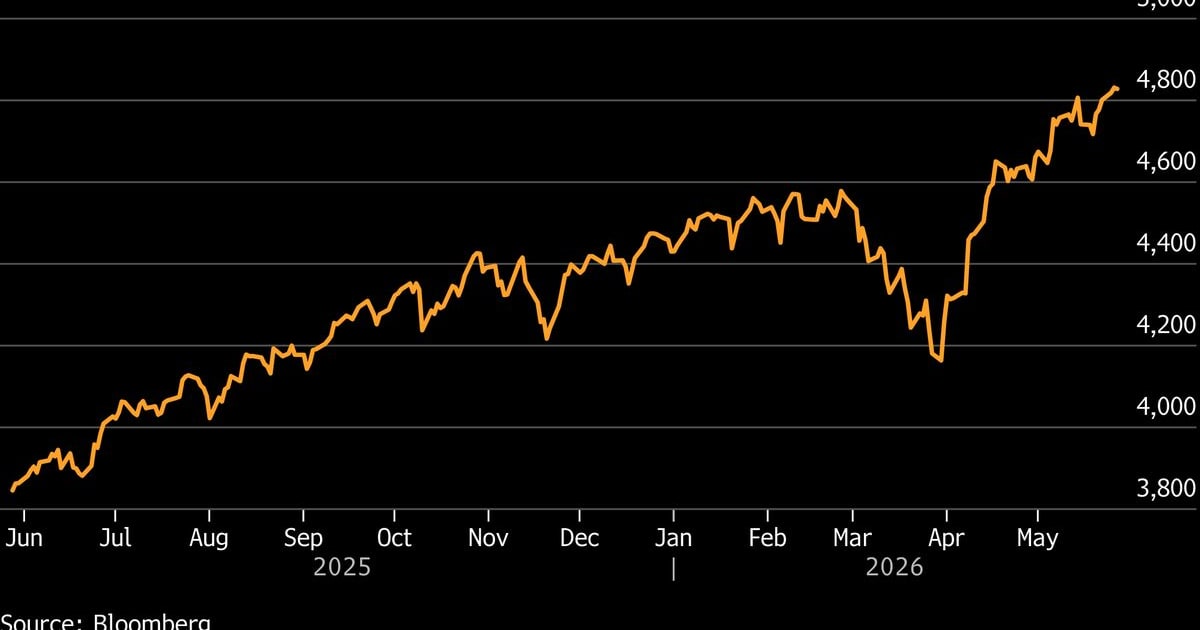
The mere suggestion of improved US-Iran relations has triggered a robust rally across global financial markets, significantly dampening geopolitical anxieties. This development presents a compelling opportunity for Indian investors, with the energy sector poised for substantial gains and airlines set to benefit from lower operating costs. Understanding the nuances of this potential de-escalation is crucial for navigating the evolving market landscape.
US-Iran Diplomatic Breakthrough Rumors Spark Global Market Euphoria: A Deep Dive for Indian Investors
A palpable shift in global sentiment has swept across financial markets, driven by intensifying speculation surrounding a potential diplomatic breakthrough between the United States and Iran. This seemingly nascent development, while still in its nascent stages, carries profound implications for geopolitical stability and, by extension, the trajectory of global asset prices. For Indian investors, who have long navigated the choppy waters of oil price volatility and inflationary pressures stemming from regional conflicts, this news offers a much-needed beacon of optimism, potentially reshaping sector valuations and consumer confidence.
The immediate aftermath of such speculative news has been a broad-based rally in equities, with benchmarks worldwide experiencing a surge. This is not merely a fleeting reaction; it reflects a fundamental recalibration of risk premiums. Geopolitical tensions, particularly those involving major oil-producing nations, have acted as a persistent overhang on economic growth, creating uncertainty that weighs heavily on investment decisions. A de-escalation in the Persian Gulf, even if nascent, signals a potential easing of these pressures, which is precisely why markets are responding with such vigor. The impact on crude oil prices, a critical input for a vast array of industries and a significant driver of inflation, is the most immediate and tangible consequence.
Why This US-Iran Speculation Matters NOW for India
India's economic narrative is intrinsically linked to global energy dynamics. As one of the world's largest oil importers, fluctuations in crude oil prices directly impact its current account deficit, inflation rates, and the profitability of key industries. The ongoing geopolitical friction in the Middle East has been a recurring source of inflationary pressure, squeezing household budgets and corporate margins alike. The prospect of reduced tensions, therefore, translates into a significant potential easing of these headwinds. Lower oil prices can lead to a direct reduction in imported inflation, providing the Reserve Bank of India (RBI) with greater flexibility on monetary policy. Furthermore, improved consumer sentiment, stemming from lower fuel costs and reduced inflation fears, can stimulate demand for discretionary goods and services, thereby boosting domestic consumption and economic growth.
Historically, periods of heightened geopolitical risk in the Middle East have correlated with sharp spikes in crude oil prices, often precipitating economic slowdowns and challenging monetary policy environments. For instance, during the escalation of tensions in early 2022, Brent crude briefly surpassed $130 per barrel, contributing significantly to India's inflation woes and prompting aggressive rate hikes by the RBI. The current speculation, if it materializes into tangible de-escalation, offers a stark contrast, signaling a potential reversal of such adverse trends and a much-needed reprieve for the Indian economy.
Deep Market Impact Analysis: Sectoral Shifts and Indian Equities
The ripple effects of a potential US-Iran détente are far-reaching, creating distinct winners and losers across the market spectrum. The energy sector, particularly upstream exploration and production (E&P) companies and refiners, stands to be a primary beneficiary. With a reduction in the perceived risk of supply disruptions, crude oil prices are likely to moderate, impacting revenue and profit margins. However, for integrated players and refiners, lower crude oil prices can translate to improved refining margins and higher demand for refined products as consumer spending power increases. The automotive sector, heavily reliant on fuel costs, will experience a significant uplift as lower gasoline and diesel prices boost affordability and demand for vehicles, especially in the commercial segment. Airlines, with fuel being one of their largest operating expenses, will see a direct improvement in their bottom lines, potentially leading to more competitive airfares and increased passenger traffic.
Conversely, the defense sector, which often thrives on an elevated geopolitical threat perception, may witness a recalibration of valuations. Reduced global conflict likelihood can temper demand for advanced weaponry and defense services. Similarly, gold, traditionally a safe-haven asset sought during times of geopolitical uncertainty, may see its appeal diminish as investors flock to riskier, growth-oriented assets. This shift in investor preference from defensive assets to growth assets is a hallmark of periods of perceived global stability.
Connecting the Dots: How Indian Stocks Will React
The Indian stock market, highly sensitive to global macroeconomic trends and commodity prices, is poised for a significant re-rating. The Nifty 50 index, a barometer of Indian equities, has historically shown a strong correlation with crude oil price movements. A sustained moderation in oil prices, driven by de-escalation in the Middle East, could provide a powerful catalyst for broader market gains. We anticipate a bullish sentiment to permeate the market, with a particular focus on sectors poised to benefit directly from reduced geopolitical risk and lower input costs.
The energy sector in India, comprising giants like ONGC, Oil India, IOCL, BPCL, and HPCL, will experience a complex interplay of factors. While lower crude oil prices might impact their exploration revenues, the benefit of reduced crude import costs for their refining operations and the potential for increased demand for petroleum products due to a stronger economy will be significant. Their valuations, which often reflect crude price volatility, could see a more stable and predictable outlook. For instance, if crude prices fall by 10-15%, it could lead to a 3-5% improvement in the net profit margins of public sector oil marketing companies due to lower feedstock costs.
Airlines such as IndiGo and SpiceJet are direct beneficiaries. Fuel costs typically account for 30-40% of an airline's operating expenses. A 10% reduction in jet fuel prices could translate to a 3-4% improvement in their EBITDA margins. This could lead to a re-rating of their P/E multiples, which have often been suppressed due to high operating costs and volatile fuel prices. The Shipping Corporation of India, while indirectly affected, could see improved freight rates and demand for shipping services as global trade flows normalize and become less susceptible to disruptions.
The automotive sector, represented by Tata Motors and Maruti Suzuki, will likely witness a surge in demand. Lower fuel prices make vehicle ownership more attractive, boosting sales volumes, particularly for passenger vehicles and commercial transport. Reliance Industries, with its integrated energy and petrochemical operations, stands to benefit from a combination of factors, including potentially lower feedstock costs for its refining and petrochemical businesses and a general uplift in consumer demand for its retail offerings.
Stock-by-Stock Spotlight: Navigating the Winners and Potential Laggards
1. Oil and Natural Gas Corporation (ONGC) NSE: ONGC - As India's largest E&P company, ONGC's revenue is directly tied to crude oil prices. While lower prices might temper exploration revenue, the company's significant refining and marketing arm, through its stake in Indian Oil Corporation, offers some offsetting benefits. Its current P/E ratio of around 8x, historically low, suggests it's already priced for some level of oil price moderation. A sustained de-escalation could lead to a re-rating towards its historical average of 10-12x.
2. Indian Oil Corporation Ltd (IOCL) NSE: IOCL - IOCL, a major refiner and marketer, is a classic beneficiary of lower crude prices. Its refining margins, often inversely correlated with crude oil prices, tend to widen when crude is cheaper. The company's vast retail network also benefits from increased fuel consumption as consumer spending power rises. With a P/E of approximately 7x, IOCL offers significant upside potential if crude prices stabilize or decline further.
3. InterGlobe Aviation Ltd (IndiGo) NSE: INDIGO - IndiGo, India's dominant airline, faces substantial operating leverage from fuel prices. A 10% reduction in fuel costs could boost its operating profit by over 15%. The airline's strong balance sheet and market dominance position it well to capitalize on increased travel demand. Its P/E ratio, often volatile, could see significant compression as profitability improves.
4. Tata Motors Ltd NSE: TATAMOTORS - Tata Motors, with its strong presence in both commercial vehicles and passenger cars, stands to gain from a dual tailwind: increased demand for logistics due to a stronger economy and higher disposable incomes boosting car sales. The company's ongoing turnaround story, coupled with these external benefits, could lead to a substantial re-rating of its current P/E of around 25x (driven by Jaguar Land Rover's performance and Indian operations' recovery).
5. Hindustan Petroleum Corporation Ltd (HPCL) NSE: HPCL - Similar to IOCL, HPCL is a significant refiner and marketer. Its integrated model benefits from lower crude oil acquisition costs and potential increases in fuel demand. Trading at a P/E of around 6x, it represents a value play that could see significant appreciation with a more stable energy market outlook.
6. Bharat Dynamics Ltd NSE: BDL - As a prominent defense stock, BDL's prospects are closely tied to geopolitical tensions. A reduction in these tensions could lead to a slowdown in order book growth and a potential de-rating of its high P/E ratio of over 40x. Investors may consider trimming positions or reallocating capital to more growth-oriented sectors.
Expert Perspectives: Bulls vs. Bears on US-Iran Diplomacy
Bullish Argument: "The market is rightly pricing in a significant reduction in geopolitical risk. Lower oil prices are a direct boon to India's economy, easing inflation and boosting consumption. This creates a fertile ground for broad-based equity gains, especially in energy, aviation, and consumer discretionary sectors. We are looking at a potential 'Goldilocks' scenario where inflation recedes, allowing for a more accommodative monetary policy and sustained economic expansion."
Bulls emphasize the cascading positive effects: reduced inflation leading to potential RBI rate cuts, increased corporate profitability due to lower input costs, and a general surge in consumer and business confidence. They point to historical instances where a sharp decline in oil prices has preceded periods of robust economic growth and strong equity market performance.
Bearish Argument: "This is a classic case of market overreaction to speculative news. Diplomatic breakthroughs are notoriously fragile, and any misstep or hardening of stances could instantly reverse these gains. Furthermore, even if tensions ease, the underlying supply-demand dynamics in the oil market, coupled with OPEC+'s production policies, will ultimately dictate price levels. Investors are prematurely abandoning safe havens like gold, which could prove to be a mistake if the geopolitical situation deteriorates again."
Bears caution against complacency, highlighting the inherent volatility of geopolitical situations and the potential for unexpected escalations. They argue that the market's focus on a single speculative event overlooks other significant economic headwinds, such as sticky inflation in other categories, global economic slowdown concerns, and ongoing supply chain issues. They also point out that even a de-escalation may not lead to a dramatic drop in oil prices if production cuts by major oil producers remain in place.
Actionable Investor Playbook: Strategic Adjustments for the Evolving Landscape
Given the current market dynamics, a strategic reallocation of portfolios is advisable. Investors should consider:
- Increasing Exposure to Energy Stocks: Focus on integrated oil companies (IOCL, HPCL, BPCL) and refiners that benefit from wider refining margins and increased demand. E&P companies like ONGC may see some revenue pressure but could be re-rated on stability. Consider entry points on any minor pullbacks, aiming for a 6-12 month horizon.
- Boosting Airline and Travel Stocks: IndiGo, due to its market leadership and operational efficiency, is a prime candidate. Lower fuel costs directly translate to improved profitability. A target price could be set based on a projected reduction in operating costs and a corresponding P/E re-rating.
- Adding Consumer Discretionary and Auto Stocks: With improved consumer sentiment and lower fuel prices, sectors like automobiles (Maruti Suzuki, Tata Motors) and consumer durables are poised for an upswing. Look for stocks with strong balance sheets and pricing power.
- Reducing Exposure to Defense Stocks: Stocks like Bharat Dynamics Ltd and Hindustan Aeronautics Ltd (HAL) may face headwinds. Consider trimming positions or reallocating capital to sectors with more immediate growth catalysts.
- Re-evaluating Gold Holdings: While gold remains a hedge against extreme uncertainty, its safe-haven appeal might diminish. Consider reducing overweight positions and reallocating to equities or other growth assets, but maintain a small allocation for diversification.
For specific entry points, monitor oil price movements and any official statements from the US and Iran. A sustained drop in Brent crude below $80 per barrel could be a strong signal for increased investment in beneficiaries. For defense stocks, a break below their 200-day moving average could signal a trend reversal.
Risk Matrix: Potential Pitfalls in the US-Iran Diplomatic Narrative
The optimistic market reaction is contingent on several factors, and potential risks must be carefully considered:
- Risk 1: Breakdown in Talks (Probability: Medium - 30%): Any sign of faltering negotiations, increased rhetoric, or a minor incident could quickly reverse market gains and reintroduce geopolitical premium into oil prices. This would lead to a sharp sell-off in equities and a resurgence in safe-haven demand.
- Risk 2: Limited Impact on Oil Supply (Probability: Low - 15%): Even with de-escalation, actual increases in Iranian oil production may be slow due to sanctions, infrastructure limitations, or OPEC+ decisions. This could prevent oil prices from falling as dramatically as anticipated, limiting the upside for beneficiaries.
- Risk 3: Inflationary Pressures Persist Elsewhere (Probability: Medium - 40%): While energy inflation might ease, core inflation in other sectors (food, services) could remain sticky, forcing central banks to maintain a hawkish stance. This would counteract the positive impact of lower oil prices on economic growth and consumer spending.
- Risk 4: Geopolitical Spillover Effects (Probability: Low - 10%): While US-Iran tensions might ease, other regional flashpoints could escalate, creating new sources of uncertainty and impacting global trade and commodity flows.
What to Watch Next: Catalysts Shaping the US-Iran Diplomacy Story
Investors should closely monitor the following catalysts:
- Official Statements and Negotiations: Any concrete announcements from the US and Iranian governments regarding the progress or setbacks in diplomatic talks will be critical. Look for specific timelines or agreements.
- Oil Price Volatility: Continued monitoring of Brent and WTI crude prices is essential. A sustained move below $80 per barrel for Brent would confirm the market's bullish stance.
- Central Bank Commentary: Statements from the RBI and other major central banks regarding inflation outlook and monetary policy will provide insights into how they are interpreting the evolving geopolitical and energy price landscape.
- Economic Data Releases: Key inflation figures (CPI, WPI), manufacturing PMI, and retail sales data from India and major global economies will indicate the real-world impact of changing commodity prices on economic activity.
The current market narrative is heavily influenced by the prospect of reduced geopolitical friction. While optimism is warranted, a data-driven and risk-aware approach remains paramount for navigating this evolving investment landscape. The definitive impact will unfold in the coming weeks and months as diplomatic realities solidify and their economic consequences become clearer.
See ONGC's AI Score
Our algorithmic screener scores ONGC on fundamentals, momentum, and risk — free to try, no card needed.
Try the AI Screener →Have questions about this story?
Ask Welth, our finance-focused AI research assistant, for a deeper breakdown — free trial included.
Chat with Welth AI →Disclaimer: This content is generated by WelthWest Research Desk based on publicly available reports and is for informational purposes only. It does not constitute financial advice, investment recommendations, or an offer to buy or sell securities. Always consult a qualified financial advisor before making investment decisions.
