Key Takeaway
The cooling of geopolitical tensions in the Strait of Hormuz acts as a structural tailwind for India’s current account. Investors should rotate capital from upstream energy into downstream OMCs and consumption-linked sectors poised to benefit from lower input costs.
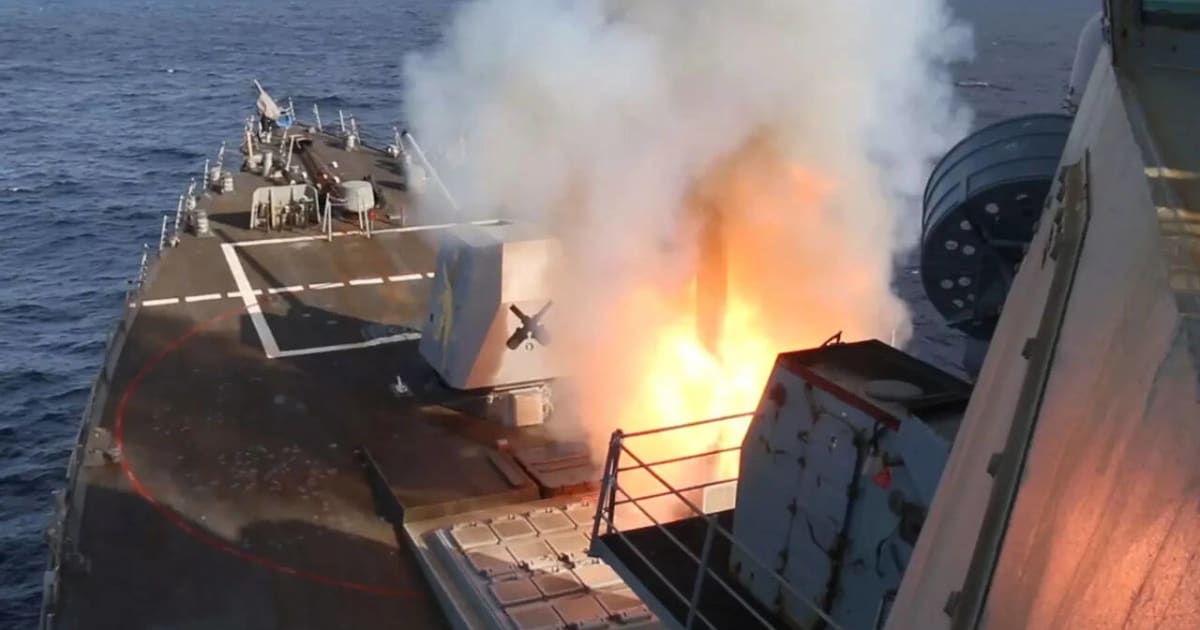
Geopolitical de-escalation between Washington and Tehran has significantly lowered the regional risk premium embedded in global energy markets. For India, this translates into a potential moderation of the import bill, relief for the INR, and a margin tailwind for energy-dependent sectors.
The Strait of Hormuz Pivot: Why Gulf Stability Matters for India
For decades, the Strait of Hormuz has served as the world’s most volatile energy artery, with roughly 20% of global oil consumption passing through its narrow channels. The recent diplomatic thaw between the United States and Iran represents a critical structural shift. By reducing the probability of a supply-side shock, the markets are finally unwinding the 'geopolitical risk premium' that has kept crude oil prices artificially elevated throughout the fiscal year.
For India, which remains structurally dependent on imported crude to meet over 85% of its domestic demand, this is more than just a headline—it is a macroeconomic imperative. Lower oil prices directly reduce the Current Account Deficit (CAD), stabilize the Indian Rupee (INR), and provide the Reserve Bank of India (RBI) with more room to maneuver on interest rate policy.
How does the US-Iran de-escalation impact Indian stock market sectors?
The transmission mechanism from global crude prices to Indian equity markets is immediate and profound. When Brent Crude trades at a discount due to supply security, the market sentiment shifts toward sectors where energy is a primary input cost. Historically, during the 2022 energy crisis, the Nifty 50 experienced significant volatility, with energy-intensive sectors like aviation and logistics suffering margin compression of 400-600 basis points. The current de-escalation suggests a reversal of this trend.
The Winners: Downstream OMCs and Consumption-Linked Sectors
Oil Marketing Companies (OMCs) like IOCL, BPCL, and HPCL are the primary beneficiaries. Lower crude prices reduce their working capital requirements and allow for higher gross marketing margins on petrol and diesel sales. If the government maintains current retail pricing, these companies see a direct expansion in profitability.
Aviation (IndiGo/InterGlobe Aviation): Aviation Turbine Fuel (ATF) accounts for nearly 40% of an airline's operating expenses. A sustained 10% drop in crude prices can lead to a 3-5% expansion in EBITDAR margins for carriers like InterGlobe Aviation, allowing them to either lower ticket prices to stimulate demand or improve bottom-line performance.
The Losers: Upstream Producers and Safe-Haven Assets
Upstream Oil & Gas (ONGC, Oil India) face a direct headwind. These companies derive their revenue from the realized price of crude. A drop in global benchmarks directly impacts their top-line growth and realization per barrel, often leading to a contraction in P/E multiples.
Stock-by-Stock Breakdown: Where the Money Moves
- IOCL (Indian Oil Corporation Ltd): With a massive refining capacity, IOCL benefits from stable crude costs. Trading at a P/E of roughly 6x, it remains a value play for dividend-seeking investors.
- BPCL & HPCL: These companies are highly sensitive to marketing margins. As oil prices stabilize, look for a re-rating in their stock price as analysts adjust their earnings estimates upward.
- InterGlobe Aviation (IndiGo): As the dominant player in the Indian skies, IndiGo is the cleanest proxy for the aviation sector. Reduced ATF costs are a direct tailwind for their operating cash flow.
- ONGC & Oil India: These stocks serve as natural hedges. While they face pressure in a de-escalation scenario, their long-term production profiles remain robust. They should be treated as 'sell-on-strength' candidates in the short term.
Expert Perspective: Bull vs. Bear Case
The Bull Case: Proponents argue that the de-escalation is the start of a multi-quarter trend of cooling inflation. They point to the strengthening of the INR against the USD as a catalyst for FII (Foreign Institutional Investor) inflows into Indian equities, which would drive a broad-based market rally.
The Bear Case: Skeptics, however, warn that the ceasefire is fragile. They argue that regional proxy actors in the Middle East could disrupt talks at any time. A 'black swan' event in the Gulf would lead to an immediate 15-20% spike in Brent, catching investors off-guard and triggering a sharp correction in the very stocks currently benefiting from the relief.
Actionable Investor Playbook
Investors should adopt a barbell strategy. Buy downstream OMCs and high-beta logistics stocks that have been beaten down by high fuel costs. Watch the Brent Crude 200-day moving average; a sustained break below this level would confirm the structural shift. Time horizon: This is a 6-to-12-month trade, not a day-trading scalp. Focus on companies with healthy balance sheets and low debt-to-equity ratios as they are better positioned to capitalize on margin expansion.
Risk Matrix: Assessing the Fragility of the Gulf Peace
- Diplomatic Breakdown (Probability: Moderate): A total failure of talks would reverse all gains. Impact: High.
- Proxy Flare-ups (Probability: High): Regional instability remains a constant. Impact: Moderate.
- OPEC+ Production Cuts (Probability: Low): If OPEC+ decides to slash output to counter the US-Iran deal, it could artificially inflate prices. Impact: High.
What to watch next?
Investors should closely monitor the upcoming OPEC+ ministerial meeting and the next release of India’s trade balance data. Any signal of increased Iranian oil exports entering the global market will serve as the next major catalyst for a sustained downward trend in crude prices. Keep a close watch on the INR/USD exchange rate as a leading indicator of energy-related market sentiment.
See IOCL's AI Score
Our algorithmic screener scores IOCL on fundamentals, momentum, and risk — free to try, no card needed.
Try the AI Screener →Have questions about this story?
Ask Welth, our finance-focused AI research assistant, for a deeper breakdown — free trial included.
Chat with Welth AI →Disclaimer: This content is generated by WelthWest Research Desk based on publicly available reports and is for informational purposes only. It does not constitute financial advice, investment recommendations, or an offer to buy or sell securities. Always consult a qualified financial advisor before making investment decisions.
