Key Takeaway
An imminent US-Iran thaw promises to flood the market with sanctioned crude, slashing India’s import bill and providing a massive tailwind for aviation, logistics, and consumer discretionary margins.
The potential normalization of US-Iran relations could trigger a seismic shift in global energy markets. For India, a net oil importer, this translates to cooling inflation, a narrowing current account deficit, and a significant valuation re-rating for sectors heavily leveraged to crude oil input costs.
The Geopolitical Pivot: Why the US-Iran Peace Deal Changes Everything
The global energy landscape is standing on the precipice of a structural shift. With signals emerging from high-level diplomatic channels suggesting a breakthrough in US-Iran relations, the markets are preparing for a potential influx of Iranian crude oil back into the global supply chain. For the Indian economy—the world’s third-largest oil consumer—this is not merely a diplomatic footnote; it is a macroeconomic game-changer.
Historically, when Iranian supply constraints ease, global crude prices have experienced sharp downward pressure. For India, every $10 drop in the price of a barrel of Brent crude translates to a meaningful contraction in the import bill and a significant improvement in the Current Account Deficit (CAD). As we look toward the potential stabilization of the Middle East, the transmission mechanism to the Nifty 50 will be felt through lower input costs, moderated retail inflation, and enhanced corporate profitability.
How will a US-Iran deal impact Indian inflation and interest rates?
India’s inflation trajectory is inextricably linked to the price of crude. Elevated oil prices exert pressure on the Wholesale Price Index (WPI) and feed into the Consumer Price Index (CPI) through transportation and energy costs. A peace deal that brings Iranian barrels to market could act as a natural 'anti-inflationary' force. If crude prices stabilize in the $65-$70 range, the Reserve Bank of India (RBI) gains much-needed policy space. Lower inflation expectations would likely allow the Monetary Policy Committee (MPC) to adopt a more accommodative stance, potentially signaling an earlier-than-expected rate cut cycle, which serves as a massive liquidity catalyst for equity markets.
The Sectoral Winners and Losers: A Deep Dive
The market impact is binary: sectors that view crude as an input cost will see margin expansion, while upstream producers face top-line headwinds.
The Winners: Aviation, Paints, and OMCs
- Aviation (InterGlobe Aviation - INDIGO): Jet fuel (ATF) accounts for nearly 40% of an airline’s operating cost. A sustained decline in crude prices provides a direct boost to EBITDA margins. With Indigo currently trading at a premium valuation, lower fuel costs could justify current P/E multiples by accelerating earnings growth.
- Paint Industry (Asian Paints, Berger Paints): Paint manufacturing is highly dependent on crude-based derivatives like monomers and solvents. Historically, when crude prices drop, these companies experience a 'margin lag' effect—where the lower cost of raw materials flows through the P&L with a 3-6 month delay, leading to significant earnings surprises.
- Oil Marketing Companies (BPCL, HPCL, IOC): For OMCs, the benefit is twofold: lower under-recovery risks on retail fuel and improved refining margins (GRMs). BPCL and HPCL, in particular, are positioned to see a valuation re-rating as the volatility in their quarterly bottom lines flattens.
The Losers: Upstream Producers and Gold
Upstream companies like ONGC and Oil India are high-beta plays on crude. A sharp decline in global prices directly impacts their realization per barrel, putting pressure on their dividend-paying capacity and stock price. Furthermore, gold—the traditional safe-haven asset—often sees outflows when geopolitical tensions de-escalate, as investors rotate capital back into risk-on equity assets.
Expert Perspective: The Bull vs. Bear Dissent
The Bull Case: Bulls argue that the market has not yet priced in the 'peace dividend.' If Iran returns to full production capacity, we could see a structural bear market in oil, mirroring the 2014-2016 period where Indian equities saw massive institutional inflows due to improved macro-stability.
The Bear Case: Skeptics point to 'OPEC+ discipline.' Even if Iranian oil hits the market, Saudi Arabia and Russia may coordinate production cuts to maintain a price floor. Furthermore, the risk of 'technical failure' in the deal remains high; if the agreement faces legislative hurdles in the US Congress, the resulting market volatility could be violent.
Investor Playbook: Navigating the Volatility
Investors should adopt a staggered approach:
- Accumulate Aviation: Look for dips in InterGlobe Aviation (NSE: INDIGO) as the primary beneficiary of lower operational costs.
- Monitor OMCs: BPCL (NSE: BPCL) remains a high-dividend play that gains from inventory gains in a cooling oil environment.
- Hedge Upstream: If holding ONGC, consider trimming positions to reduce exposure to crude-price sensitivity.
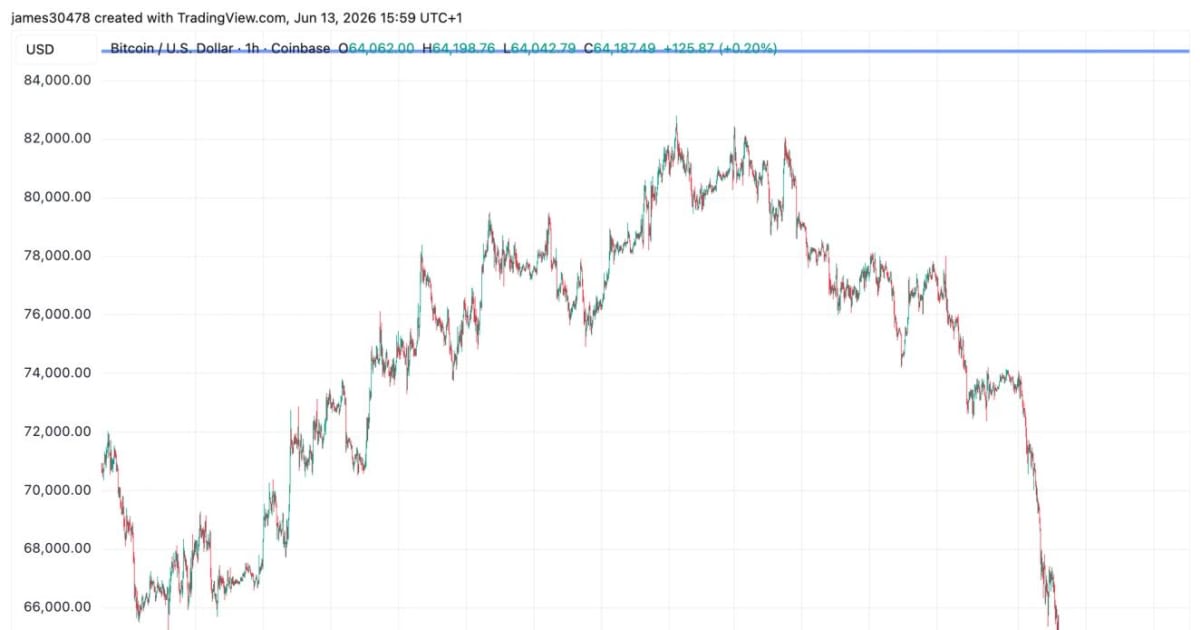
- Watch Crypto: As Bitcoin (BTC) has shown sensitivity to Middle Eastern stability, expect increased volatility in digital assets as a proxy for geopolitical risk sentiment.
Risk Matrix: Assessing the Deal’s Stability
| Risk Factor | Probability | Impact |
|---|---|---|
| US Congressional Opposition | Moderate | High |
| Iranian Internal Resistance | Low | Moderate |
| OPEC+ Supply Counter-moves | High | High |
What to Watch Next
Investors should track the upcoming OPEC ministerial meetings and any formal statements from the US State Department regarding sanctions waivers. Additionally, watch the USD/INR exchange rate; as oil imports become cheaper, the rupee is likely to appreciate, adding another layer of performance for Foreign Institutional Investors (FIIs) holding Indian assets.
See BPCL's AI Score
Our algorithmic screener scores BPCL on fundamentals, momentum, and risk — free to try, no card needed.
Try the AI Screener →Have questions about this story?
Ask Welth, our finance-focused AI research assistant, for a deeper breakdown — free trial included.
Chat with Welth AI →Disclaimer: This content is generated by WelthWest Research Desk based on publicly available reports and is for informational purposes only. It does not constitute financial advice, investment recommendations, or an offer to buy or sell securities. Always consult a qualified financial advisor before making investment decisions.
