Key Takeaway
A sustained dip in crude oil prices acts as a massive fiscal stimulus for India, effectively widening corporate margins for downstream sectors while simultaneously cooling the inflationary tailwinds that have kept the RBI on a hawkish path.
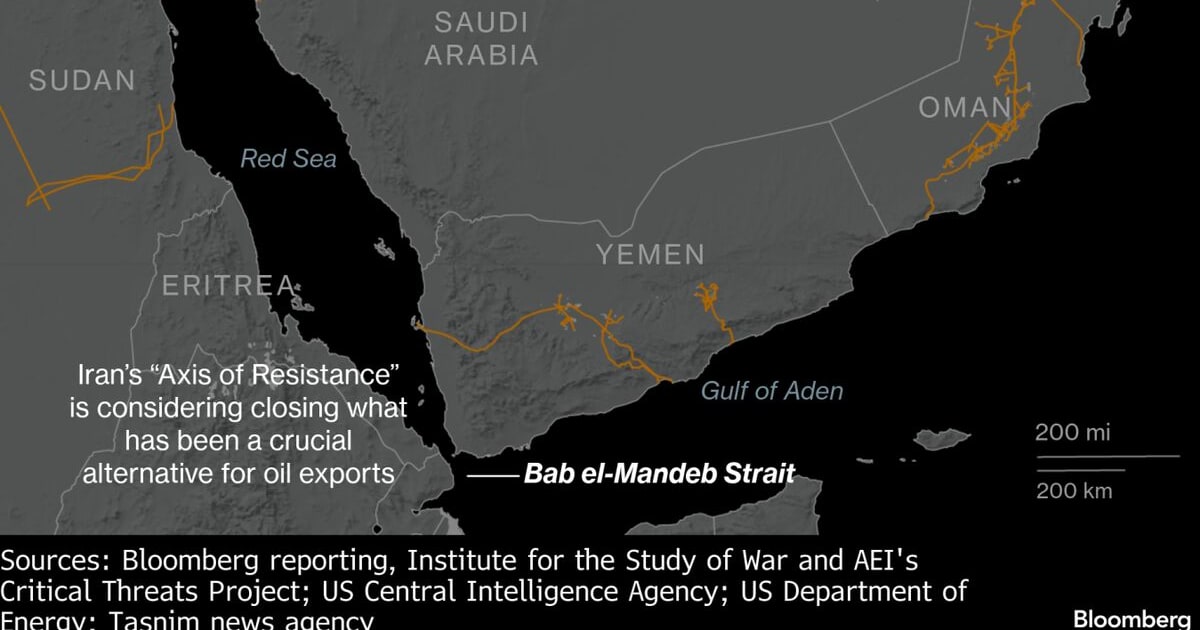
Speculation surrounding a US-Iran de-escalation is sending shockwaves through global energy markets. For the Indian economy, this represents a major pivot point: lower import bills could revitalize consumption and provide a much-needed boost to aviation, logistics, and manufacturing margins.
The Geopolitical Pivot: Why the US-Iran Peace Deal Changes Everything
For the Indian economy, crude oil is more than just a commodity; it is the single largest determinant of our macroeconomic health. With India importing over 85% of its crude requirements, the recent cooling of oil prices—driven by optimistic speculation regarding a potential US-Iran peace deal—is not merely a headline event; it is a fundamental shift in the cost of doing business for the entire nation.
When oil prices soften, the ripples are felt immediately in the Current Account Deficit (CAD) and the Rupee’s stability. Historically, every $10 drop in crude prices has been estimated to improve India’s current account balance by roughly 0.4% to 0.5% of GDP. As markets weigh the probability of Iranian supply returning to the global market, we are witnessing a potential end to the geopolitical risk premium that has artificially inflated energy costs for the past 18 months.
How does the India-Oil correlation affect Nifty 50 performance?
The correlation between Brent Crude and the Nifty 50 is inverse and profound. During the 2022 energy crisis, as oil surged past $120 per barrel, Indian corporate margins were compressed by runaway input costs, leading to a significant contraction in P/E multiples for consumer-facing firms. Conversely, a de-escalation in the Middle East provides a dual benefit: it lowers raw material costs for manufacturing and eases the inflationary pressure that typically forces the Reserve Bank of India (RBI) to keep interest rates elevated.
Sector-Level Breakdown: Winners and Losers
The market is currently undergoing a rotation. Capital is flowing away from energy-heavy, upstream-dependent stocks and toward sectors that thrive on lower operational expenditures (OPEX).
The Winners: Margin Expansion Plays
- Oil Marketing Companies (OMCs): BPCL, HPCL, and IOCL stand to benefit from improved gross refining margins (GRMs). As the volatility in crude prices stabilizes, these companies can better manage their marketing margins, which are often suppressed during high-volatility regimes.
- Aviation: InterGlobe Aviation (IndiGo) is the primary beneficiary. With ATF (Aviation Turbine Fuel) costs accounting for nearly 40% of operating expenses, even a 5% reduction in crude prices translates directly to a massive expansion in bottom-line profitability.
- Paints & Chemicals: Asian Paints and Berger Paints rely heavily on crude-derivative solvents. Lower oil prices provide direct relief to their EBITDA margins, which have been under pressure due to high input costs.
- Tyre Manufacturers: Companies like MRF and Apollo Tyres benefit from lower prices of carbon black and synthetic rubber, both of which are crude oil derivatives.
The Losers: Energy Upstream and Defense
Upstream giants like ONGC and Oil India face a direct revenue hit when crude prices fall, as their realizations are indexed to global benchmarks. Furthermore, the defense sector—which often rallies on the back of regional instability and elevated defense spending—may see a cooling of interest as the 'geopolitical risk' premium is priced out of the market.
Stock-by-Stock Analysis: Where the Smart Money is Moving
"In a regime of falling oil prices, the focus shifts from 'survivability' to 'scalability' for Indian corporate balance sheets."
BPCL (BSE: 500547): Trading at a P/E of ~7x, BPCL offers a compelling entry point as refining margins normalize. The stock is a classic proxy for the Indian energy economy.
InterGlobe Aviation (NSE: INDIGO): As the dominant player in the Indian skies, IndiGo’s scalability allows it to capture the majority of the margin benefit from lower fuel costs. With a strong balance sheet and high cash reserves, it remains a structural long-term play.
Asian Paints (NSE: ASIANPAINT): Despite a high valuation, the company’s pricing power combined with lower input costs makes it a defensive compounder that could see a significant earnings surprise in the coming quarters.
Expert Perspective: The Contrarian View
While the bulls are cheering the cooling oil prices, the bear case is anchored in the 'Fragility of Diplomacy.' Skeptics argue that a US-Iran peace deal is notoriously difficult to finalize. If the negotiations stall, the market will face a 'rebound shock' where oil prices could spike rapidly to reclaim the $90+ level. Investors must also consider that lower oil prices might lead to higher domestic consumption, potentially offsetting the fiscal gains if the Rupee does not strengthen alongside the commodity decline.
The Actionable Investor Playbook
- Strategic Accumulation: Look for entry points in OMCs during market dips. Their dividend yields provide a safety net while you wait for margin expansion.
- Rotation Strategy: Reduce exposure to upstream oil explorers if you are overweight. Their earnings are highly sensitive to crude price volatility.
- Time Horizon: Keep a 12-18 month horizon. The impact of lower fuel costs on corporate balance sheets typically takes two quarters to filter through to the bottom line.
Risk Matrix
| Risk Factor | Probability | Impact |
|---|---|---|
| Peace Deal Failure | High | Severe |
| Supply Chain Disruption (OPEC+ Action) | Medium | High |
| USD/INR Currency Volatility | Medium | Medium |
What to Watch Next
The upcoming OPEC+ ministerial meeting remains the single most important catalyst. Investors should also monitor the monthly CPI inflation prints from the US and India, as these will dictate the central banks' next moves. If the US-Iran deal gains formal traction, watch for an immediate softening in the 10-year G-Sec yields, which would signal a broader 'risk-on' environment for the Indian markets.
See BPCL's AI Score
Our algorithmic screener scores BPCL on fundamentals, momentum, and risk — free to try, no card needed.
Try the AI Screener →Have questions about this story?
Ask Welth, our finance-focused AI research assistant, for a deeper breakdown — free trial included.
Chat with Welth AI →Disclaimer: This content is generated by WelthWest Research Desk based on publicly available reports and is for informational purposes only. It does not constitute financial advice, investment recommendations, or an offer to buy or sell securities. Always consult a qualified financial advisor before making investment decisions.
