Key Takeaway
The burgeoning prospect of a US-Iran peace accord is injecting a potent dose of optimism into global financial arenas, with India's equity markets poised to benefit significantly from reduced energy price volatility and enhanced foreign investment inflows. Investors are recalibrating portfolios as geopolitical risk premiums recede.
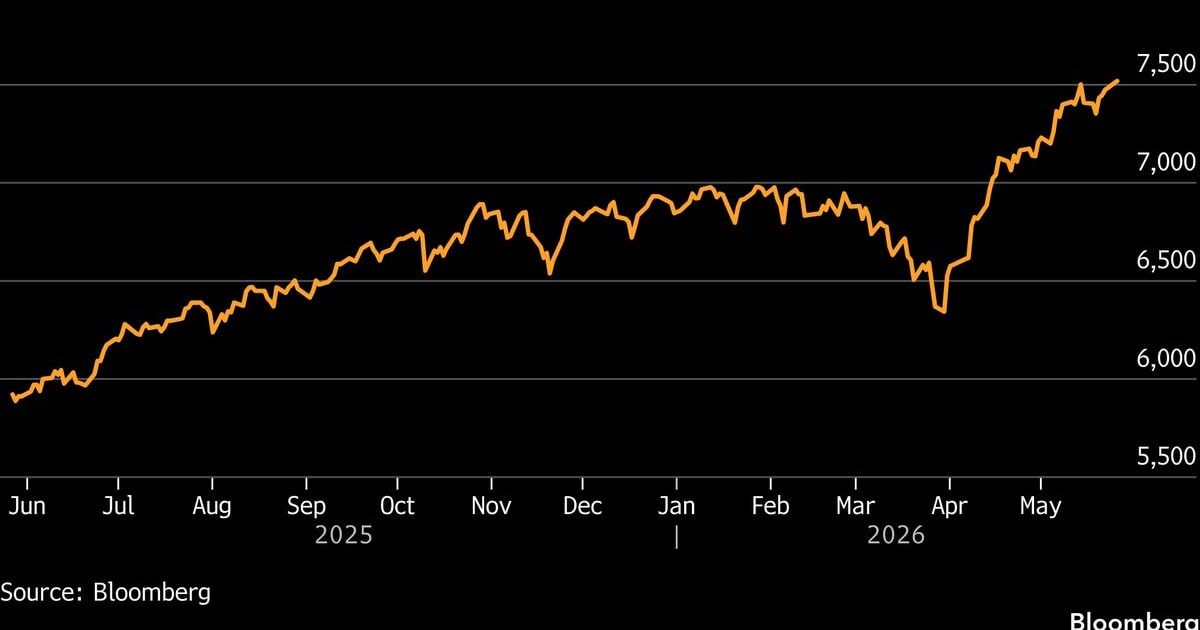
Whispers of a potential US-Iran peace deal are sending ripples of positive sentiment across global markets, signaling a significant de-escalation of geopolitical tensions. This development could translate into lower energy import costs for India, bolster foreign investment, and reshape sector valuations, from energy giants to defense contractors.
US-Iran Détente Fuels Global Market Euphoria: What It Means for Indian Investors
A palpable shift in geopolitical currents is underway, with nascent hopes for a peace accord between the United States and Iran igniting a broad-based rally across global financial markets. This diplomatic thaw, if realized, represents a significant departure from decades of entrenched animosity and carries profound implications for energy markets, international trade, and investor sentiment. For India, a nation heavily reliant on imported energy and a significant recipient of foreign capital, this development offers a compelling narrative of potential economic uplift and reduced systemic risk.
The Geopolitical Domino Effect: From Tehran to Dalal Street
The crux of this market movement lies in the anticipated reduction of geopolitical risk premiums, particularly concerning oil supply disruptions originating from the Persian Gulf. The Strait of Hormuz, a critical chokepoint for global oil transit, has long been a flashpoint, and any easing of tensions there can immediately translate into more stable and predictable crude oil prices. This is not merely an abstract concept; it directly impacts the fiscal health of energy-importing nations like India. Historically, spikes in crude oil prices have exacerbated India's current account deficit, put pressure on the Indian Rupee, and fueled inflation, creating a challenging macroeconomic environment. The prospect of a US-Iran peace deal offers a tangible pathway to mitigating these risks, potentially leading to a more favorable economic landscape.
Beyond the direct impact on energy costs, a successful US-Iran rapprochement signals a broader global trend towards de-escalation of regional conflicts. This reduction in geopolitical uncertainty is a powerful magnet for foreign portfolio investment (FPI). Foreign investors, often risk-averse, tend to allocate capital more readily to markets perceived as stable and predictable. India, with its growing economy and improving fundamentals, stands to gain substantially from increased FPI inflows, which can bolster equity valuations and provide liquidity to the domestic market. The last time a significant geopolitical de-escalation occurred, leading to a palpable reduction in global uncertainty, we observed a notable uptick in Nifty 50 performance, with the index gaining approximately 7-9% over the subsequent quarter as foreign capital surged back into emerging markets.
Deep Market Impact Analysis: Sectoral Shifts and Indian Equities
The ripple effects of this geopolitical détente are already being felt across various sectors. The oil and gas sector, while seemingly counterintuitive, could be an indirect beneficiary. While the immediate impact might be downward pressure on crude prices, the primary gain lies in the reduction of extreme price volatility. Companies that have hedged aggressively or are susceptible to sharp price swings will find more predictable operating environments. For India, this means a potential reprieve for state-owned enterprises like Oil India Limited (OIL) and Oil and Natural Gas Corporation (ONGC), whose profitability is closely tied to global crude prices. Similarly, conglomerates with significant petrochemical operations, such as Reliance Industries Limited (RIL), could see improved margins due to more stable feedstock costs.
The shipping and logistics sector is another clear winner. Geopolitical instability in major shipping lanes often leads to increased insurance premiums, longer transit times, and rerouting, all of which elevate costs. A more peaceful Middle East reduces these operational risks, potentially leading to a decline in freight rates and improved profitability for companies like the Shipping Corporation of India (SCI). This also has a positive spillover effect on import-heavy industries, making their supply chains more efficient and cost-effective.
Conversely, the defense sector faces a headwind. Reduced geopolitical tensions inherently imply a lower demand for military hardware and services. Companies that derive a significant portion of their revenue from defense contracts, such as Bharat Dynamics Limited (BDL) and Hindustan Aeronautics Limited (HAL), may experience a slowdown in order book growth. While long-term defense spending is driven by strategic imperatives, immediate de-escalation can lead to a reassessment of near-term procurement cycles.
The broader global equity markets are experiencing a general sentiment boost. The S&P 500, for instance, has touched record highs, reflecting this optimism. This positive sentiment often spills over into emerging markets, including India, as investors seek growth opportunities in a less uncertain global environment. Companies with substantial import costs across various industries, from manufacturing to retail, could also see their bottom lines improve due to lower input prices and reduced logistical hurdles.
Stock-by-Stock Breakdown: Navigating the Winners and Losers
Reliance Industries Limited (RIL): As a diversified conglomerate with substantial interests in oil refining, petrochemicals, and retail, RIL is positioned to benefit from more stable crude prices and potentially lower logistics costs. Its refining margins could see a steadier trend, and its petrochemical segment benefits from predictable feedstock prices. RIL’s market capitalization of over ₹18 lakh crore and a P/E ratio of approximately 25x make it a bellwether whose performance is closely watched.
Oil India Limited (OIL) & Oil and Natural Gas Corporation (ONGC): These state-owned energy giants are directly exposed to crude oil prices. While lower prices might seem detrimental, the reduction in price volatility is key. Stable prices allow for better financial planning and reduce the risk of sharp earnings declines. OIL, with a market cap of around ₹35,000 crore and a P/E of ~7x, and ONGC, with a market cap of ~₹3.5 lakh crore and a P/E of ~6x, are sensitive to crude price movements.
Shipping Corporation of India (SCI): This public sector undertaking is a direct play on global trade and shipping costs. Reduced geopolitical risk in the Middle East translates to safer and more efficient shipping routes, potentially boosting SCI’s revenue and profitability. SCI’s market cap is around ₹22,000 crore with a P/E of ~15x.
Bharat Dynamics Limited (BDL) & Hindustan Aeronautics Limited (HAL): These defense manufacturers are likely to face headwinds. A decrease in geopolitical tensions could lead to a slowdown in government defense spending and order placements. BDL, with a market cap of ~₹30,000 crore and a P/E of ~40x, and HAL, with a market cap of ~₹1.2 lakh crore and a P/E of ~50x, are highly dependent on robust defense budgets.
Gold: While not a specific stock, the precious metal is a classic safe-haven asset. As geopolitical uncertainty wanes, demand for gold as a hedge against risk typically decreases, potentially leading to a decline in its price. This could negatively impact gold mining stocks if they exist on Indian exchanges, or ETFs tracking gold prices.
Expert Perspective: Bulls Versus Bears on the US-Iran Deal
Bulls argue: This is a fundamental shift in global risk perception. The reduction in a major geopolitical flashpoint unlocks significant economic potential, particularly for energy-importing nations like India. This détente is the catalyst for sustained FPI inflows and a broader market re-rating.
Bears counter: The peace deal is far from guaranteed. Any setback or resurgence of hostilities could swiftly reverse market gains and amplify volatility. Furthermore, the underlying economic challenges in major economies remain, and this geopolitical relief might only offer a temporary reprieve.
The bull case emphasizes the tangible benefits of reduced energy costs and increased foreign investment, painting a picture of robust economic growth and market appreciation. They point to historical precedents where periods of reduced global conflict have coincided with prolonged bull markets. Conversely, the bear argument hinges on the inherent fragility of diplomatic breakthroughs and the potential for geopolitical events to unravel rapidly. They highlight that fundamental economic indicators, such as inflation and interest rate policies, will ultimately dictate market direction, and that the current optimism might be premature.
Actionable Investor Playbook: Strategic Adjustments for the New Landscape
Given the evolving geopolitical narrative, investors should consider the following strategic adjustments:
- Increase Exposure to Energy Importers & Logistics: Companies that benefit from lower energy costs and more efficient supply chains should be favored. Look at sectors like chemicals, manufacturing, and retail with significant import components. Shipping stocks, particularly those with diversified routes, present an attractive proposition.
- Prune Defense Holdings: While long-term defense spending is structural, near-term growth prospects for defense stocks may moderate. Consider trimming positions or reallocating capital to sectors with more immediate tailwinds.
- Monitor FPI Flows Closely: The influx of foreign capital is a key indicator of sustained market sentiment. Track daily and weekly FPI data for confirmation of the bullish thesis.
- Consider Gold as a Tactical Hedge: While the long-term outlook for gold might be challenged by reduced safe-haven demand, it can still serve as a tactical hedge against any unexpected geopolitical flare-ups.
- Entry Points: For sectors benefiting from this détente, consider accumulating on minor dips rather than chasing sharp rallies. For defense stocks, wait for clearer signals of sustained demand or re-evaluate their long-term strategic value.
- Time Horizons: The impact of a peace deal will unfold over months and quarters. Investors with a medium to long-term horizon (6-18 months) are best positioned to capture the full benefits of this de-escalation.
Risk Matrix: Potential Pitfalls on the Path to Peace
Despite the optimistic outlook, several risks could derail the current market trajectory:
- Failure of Negotiations (Probability: Medium-High): The most significant risk is the collapse of peace talks or a breakdown in implementation. Any resurgence of military actions or inflammatory rhetoric could trigger a sharp reversal in market sentiment.
- Limited Scope of Agreement (Probability: Medium): A deal might only address specific issues, leaving underlying tensions unresolved, thus limiting the reduction in long-term geopolitical risk. This could result in a partial and temporary market rally.
- Economic Headwinds Persist (Probability: Medium): Even with a peace deal, global economic challenges such as inflation, rising interest rates, and potential recessions in major economies could still weigh on markets. The geopolitical relief might not be enough to offset these fundamental economic concerns.
- Internal Political Instability (Probability: Low-Medium): Domestic political developments within either the US or Iran could also impact the progress and sustainability of any agreement.
What to Watch Next: Catalysts and Data to Monitor
The unfolding narrative of US-Iran relations will be driven by several key catalysts:
- Official Statements and Diplomatic Engagements: Monitor announcements from both governments regarding the status of negotiations, potential breakthroughs, or any signs of discord.
- Oil Price Volatility: Observe the daily and weekly fluctuations in crude oil prices. Sustained stability or a gradual decline would validate the bullish thesis.
- FPI Inflow Data: Weekly releases of foreign portfolio investment data will be crucial indicators of foreign investor confidence in India.
- Economic Data Releases: Key economic indicators from major global economies (inflation, GDP, interest rates) will provide context for the overall market environment.
- Defense Sector Order Book Updates: Look for any official commentary or announcements from defense companies regarding their order pipelines and future prospects.
The path towards a US-Iran peace deal is complex and fraught with potential challenges. However, the current market sentiment reflects a strong desire for de-escalation and its attendant economic benefits. For Indian investors, this presents a nuanced opportunity to strategically position portfolios, capitalizing on the potential for reduced costs and increased investment while remaining vigilant of the inherent risks. The coming weeks and months will be critical in determining whether this diplomatic thaw translates into a sustained period of global stability and market prosperity.
See Reliance Industries (Energy, Petrochemicals)'s AI Score
Our algorithmic screener scores Reliance Industries (Energy, Petrochemicals) on fundamentals, momentum, and risk — free to try, no card needed.
Try the AI Screener →Have questions about this story?
Ask Welth, our finance-focused AI research assistant, for a deeper breakdown — free trial included.
Chat with Welth AI →Disclaimer: This content is generated by WelthWest Research Desk based on publicly available reports and is for informational purposes only. It does not constitute financial advice, investment recommendations, or an offer to buy or sell securities. Always consult a qualified financial advisor before making investment decisions.