Key Takeaway
A US-Iran de-escalation could strip a $10-15 geopolitical premium from Brent crude, potentially saving India $15 billion annually and triggering a structural re-rating of Indian OMCs and consumer discretionary stocks.
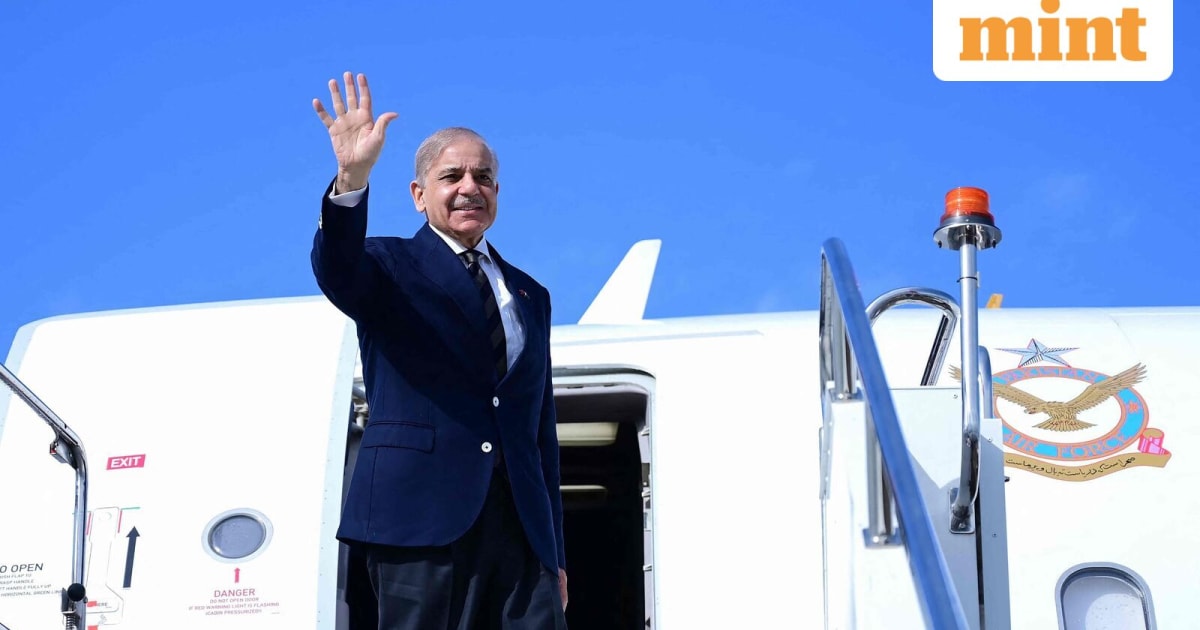
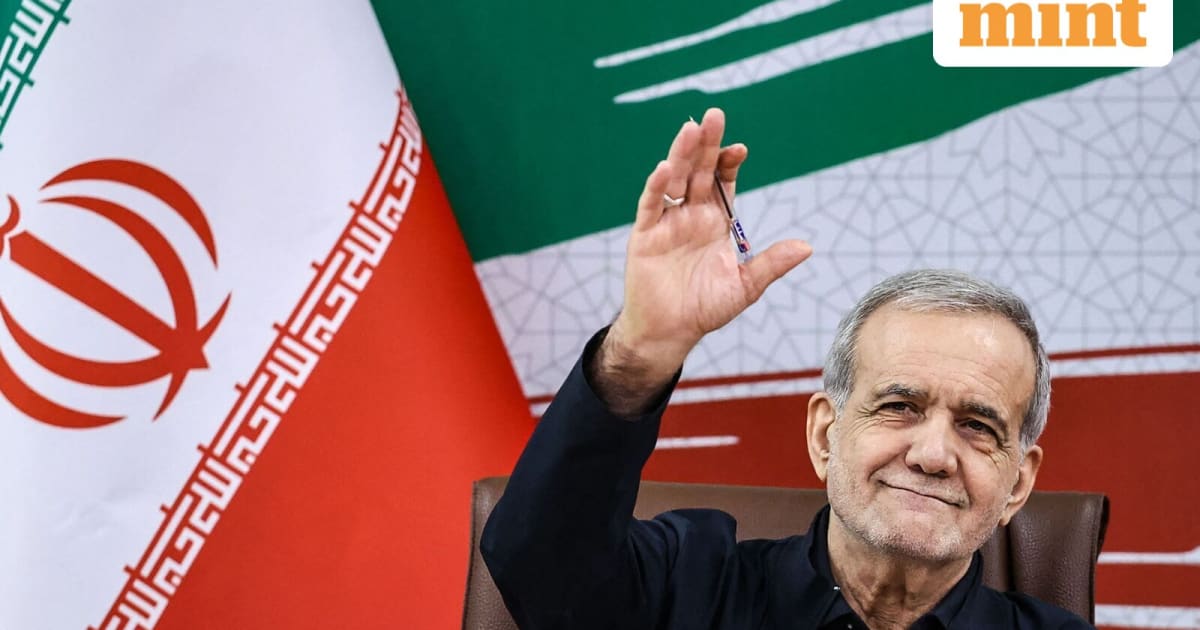
High-level diplomatic talks in Switzerland between the US and Iran, mediated by regional stakeholders, signal a potential return to the negotiating table for a nuclear framework. For the Indian market, this represents a massive disinflationary shock that could compress the Current Account Deficit and accelerate RBI rate cuts. This report breaks down the winners and losers across the NSE and BSE.
The Swiss Pivot: Why US-Iran De-escalation Changes the Global Energy Calculus
The quiet corridors of Switzerland are once again hosting the most significant geopolitical event of the decade: a potential thaw in US-Iran relations. For years, the 'Iran Discount' has been absent from the global oil market, replaced instead by a 'Geopolitical Risk Premium' that has kept Brent crude stubbornly above $80 per barrel despite weakening global demand. The news that high-level delegations, supported by regional intermediaries including Pakistan’s leadership, have converged in Switzerland suggests that a pragmatic shift is underway. This isn't just about diplomacy; it is about the re-entry of millions of barrels of Iranian crude into a market already grappling with OPEC+ production quotas.
For the Indian investor, this is the single most important macro catalyst of the year. India imports nearly 85% of its crude oil requirements. A sustained drop in oil prices acts as a massive tax cut for the Indian economy. When crude prices fall, the cost of logistics drops, raw material expenses for manufacturers shrink, and the Reserve Bank of India (RBI) gains the breathing room needed to pivot toward a more accommodative monetary policy. We are looking at a potential 'Goldilocks' scenario for the Nifty 50: falling input costs paired with robust domestic demand.
How will US-Iran peace talks lower petrol prices and inflation in India?
The correlation between Brent crude and India’s Consumer Price Index (CPI) is undeniable. Historically, a 10% decline in crude oil prices leads to a roughly 30-40 basis point reduction in CPI inflation over two quarters. If the Switzerland talks lead to a formal easing of sanctions, Iran could potentially add 1.5 to 2 million barrels per day (bpd) to global supply within six to twelve months. This would likely drive Brent toward the $65-$70 range.
For the Indian government, lower global prices provide a dual benefit. First, it allows Oil Marketing Companies (OMCs) to maintain healthy marketing margins even if retail petrol and diesel prices are cut ahead of key state elections. Second, it reduces the government's fertilizer and fuel subsidy burden, strengthening the fiscal deficit target of 5.1% of GDP. This fiscal discipline is exactly what global rating agencies and FIIs (Foreign Institutional Investors) look for before pumping liquidity into Indian equities.
The Historical Parallel: Learning from the 2015 JCPOA
In 2015, when the Joint Comprehensive Plan of Action (JCPOA) was signed, Brent crude plummeted from over $100 to below $50 within a year. During that period, the Indian equity markets saw a significant sector rotation. While upstream companies like ONGC struggled, the Nifty Auto and Nifty FMCG indices outperformed the broader market by over 15%. We are seeing the early stages of a similar rotation today. The 'Fear Index' or India VIX typically cools down when energy security is assured, providing a stable platform for mid-cap and small-cap stocks to rally.
Deep Market Impact: Connecting Switzerland to Dalal Street
The impact of a US-Iran accord ripples through the Indian financial system via three primary channels: the Rupee, the Bond Market, and Corporate Margins.
- The Rupee (INR) Strength: A lower oil bill reduces the demand for Dollars by Indian oil importers. This eases the pressure on the INR, which has been hovering near record lows. A stronger Rupee makes Indian stocks more attractive to FIIs on a dollar-adjusted return basis.
- The Bond Yield Compression: Lower inflation expectations lead to a cooling of the 10-year benchmark G-Sec yields. As yields fall, the valuation of equity markets—particularly high-growth sectors—expands because the discount rate used in DCF (Discounted Cash Flow) models decreases.
- The Margin Expansion: For sectors like Paints, Tyres, and Specialty Chemicals, crude derivatives account for 40% to 60% of total raw material costs. A drop in crude is a direct transfer of wealth from oil producers to these manufacturers' bottom lines.
Stock-by-Stock Breakdown: The Winners and Losers
1. Bharat Petroleum Corporation Ltd (NSE: BPCL)
Impact: Bullish. BPCL, along with its peers HPCL and IOCL, is a primary beneficiary of lower crude. When global prices fall, the 'Marketing Margin'—the profit earned on selling every liter of fuel at the pump—expands. With a P/E ratio currently trailing below its 5-year average and a high dividend yield, BPCL is a value play. If Brent stays below $75, BPCL’s earnings per share (EPS) could see a 12-18% upward revision.
2. Asian Paints (NSE: ASIANPAINT)
Impact: Bullish. The paint industry is essentially a proxy for oil prices. Titanium Dioxide and other monomers are crude-linked. Asian Paints has historically shown incredible pricing power; they rarely cut retail prices as fast as crude falls, leading to massive margin expansion. Watch for the EBITDA margins to move from the current 18-20% toward the 23% mark if the Swiss talks succeed.
3. InterGlobe Aviation / IndiGo (NSE: INDIGO)
Impact: Highly Bullish. Aviation Turbine Fuel (ATF) accounts for nearly 40% of IndiGo's operating expenses. Every $1 drop in crude significantly boosts the spread between Revenue per Available Seat Kilometer (RASK) and Cost per Available Seat Kilometer (CASK). In a high-demand travel environment, IndiGo is perfectly positioned to capture the windfall from lower fuel costs.
4. ONGC (NSE: ONGC)
Impact: Bearish. As an upstream explorer, ONGC’s realizations are directly tied to global benchmarks. While the government's windfall tax provides some cushion at higher prices, a collapse in Brent toward $65 would hurt ONGC’s Capex plans and dividend-paying capacity. Investors should be cautious with upstream PSU stocks in a de-escalation scenario.
5. Apollo Tyres (NSE: APOLLOTYRE)
Impact: Bullish. Crude oil is a key input for synthetic rubber and carbon black. Apollo Tyres has been improving its balance sheet, and a reduction in raw material headwinds will accelerate its deleveraging process. Sector peers like MRF and CEAT will also see similar tailwinds.
Expert Perspective: The Bull vs. Bear Argument
"The markets are currently pricing in a 'permanent' war premium. If the Switzerland talks result in even a partial return of Iranian barrels, we could see a 'sell-the-rumor, buy-the-fact' scenario in oil, but a structural 'risk-on' rally in Indian equities. India is the best-positioned emerging market to benefit from an oil glut." — Senior Strategy Note, WelthWest Research.
The Bear View: Skeptics argue that domestic political pressure in both Washington (heading into an election cycle) and Tehran could derail the talks. Furthermore, any deal would likely be met with production cuts from Saudi Arabia to defend the $80 floor, potentially neutralizing the supply increase from Iran. Bears also point to the 'Proxy Risk'—even if a deal is signed, regional proxies could still trigger supply disruptions in the Strait of Hormuz.
The Bull View: Bulls believe the global economy desperately needs lower energy prices to avoid a hard landing. The presence of high-ranking military and political figures from neighboring countries in Switzerland suggests a broader regional consensus that hasn't existed since 2015. For India, the 'structural story' of 7% GDP growth becomes even more potent when fueled by $70 oil.
Actionable Investor Playbook: How to Position Your Portfolio
Investors should not wait for the final communiqué from Switzerland. Markets move on expectations, not just outcomes.
- The Immediate Trade: Accumulate OMCs (BPCL, HPCL) on any minor dips. The margin safety net is currently at its strongest in three years.
- The Medium-Term Play: Shift focus toward consumer discretionary stocks. As fuel prices stabilize, rural demand—which has been lagging—is expected to recover, benefiting stocks like Hero MotoCorp and HUL.
- The Exit Strategy: Trim exposure to 'Safe Haven' assets. Gold and defensive sectors like Utilities might underperform as capital rotates back into high-beta growth stocks.
- Entry Points: For Asian Paints, look for entries near the 2850-2900 support zone. For IndiGo, the 4200 level remains a strong base for a long-term breakout.
Risk Matrix: What Could Go Wrong?
No geopolitical analysis is complete without acknowledging the volatility of the Middle East.
- Talks Collapse (Probability: 40%): If negotiations fail, Brent could spike back to $95 on fears of renewed sanctions and regional escalation. Impact: High Negative for Nifty.
- OPEC+ Aggression (Probability: 60%): Saudi Arabia may choose to cut another 1 million bpd to offset Iranian supply. Impact: Moderate Neutral.
- US Election Rhetoric (Probability: 80%): As the US election nears, any deal with Iran will be a polarized topic, leading to headline volatility. Impact: Short-term Noise.
What to Watch Next: The Catalyst Calendar
To stay ahead of the curve, keep a close eye on these specific data points over the next 30 days:
- IAEA Inspection Reports: Any sign of Iran allowing inspectors back into sensitive sites will be the first 'hard' signal of a deal.
- Weekly EIA Crude Inventory: Watch for unexpected builds in US inventory which would add downward pressure on prices.
- RBI MPC Minutes: Look for any mention of 'favorable global energy trends' as a precursor to a shift in stance from 'withdrawal of accommodation' to 'neutral'.
- Dollar Index (DXY): A weakening dollar alongside falling oil is the ultimate 'buy' signal for Indian equities.
See BPCL's AI Score
Our algorithmic screener scores BPCL on fundamentals, momentum, and risk — free to try, no card needed.
Try the AI Screener →Have questions about this story?
Ask Welth, our finance-focused AI research assistant, for a deeper breakdown — free trial included.
Chat with Welth AI →Disclaimer: This content is generated by WelthWest Research Desk based on publicly available reports and is for informational purposes only. It does not constitute financial advice, investment recommendations, or an offer to buy or sell securities. Always consult a qualified financial advisor before making investment decisions.