Key Takeaway
The simmering US-Iran conflict, amplified by sanctions and oil export threats, is a critical inflection point for India's economy. Brace for sustained crude oil volatility, a weaker Rupee, and a distinct divergence in sector performance within the Indian stock market.
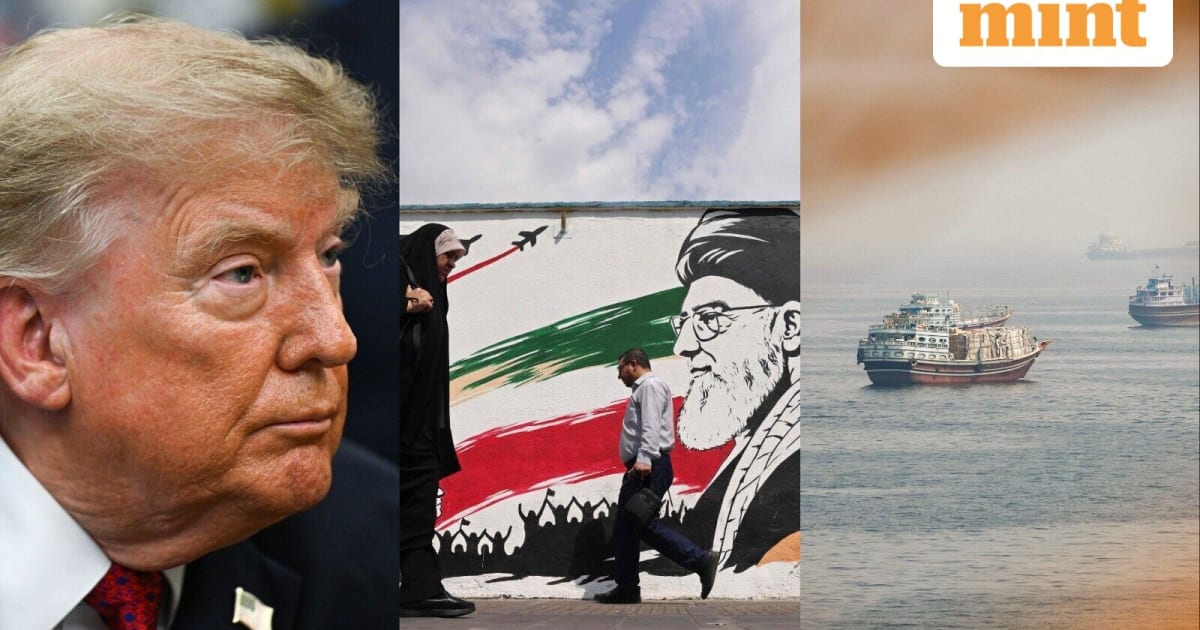
Geopolitical tremors from the US-Iran standoff are reverberating across global markets, with India particularly vulnerable. New US sanctions and Iranian threats to regional oil exports are pushing crude prices higher, directly impacting India's inflation, current account, and currency. This WelthWest deep dive dissects the complex interplay, identifying key winners, losers, and an actionable investor playbook for the Indian stock market.
US-Iran Tensions Explode: How Global Oil Shocks Will Reshape India's Economy & Stock Market
The geopolitical landscape of the Middle East is once again a tinderbox, and the sparks flying between the United States and Iran are igniting a profound recalibration across global commodity markets, with significant implications for India. Recent developments – expanded US sanctions targeting Iran and Russia, coupled with Tehran's explicit threats to disrupt vital regional oil exports and Saudi Arabia's heightened security alerts – collectively signal an unprecedented escalation. This isn't merely a regional skirmish; it's a direct assault on the stability of global crude oil supply, a commodity that serves as the lifeblood of India's economic engine. For a nation that imports over 85% of its crude oil requirements, this volatile cocktail of sanctions and threats translates into an immediate and tangible threat to macroeconomic stability, corporate profitability, and the very fabric of consumer spending power.
The 'why now' is critical. The latest round of US sanctions, while not entirely unexpected, carries a sharper edge, signaling Washington's intent to further cripple Iran's oil revenue. Iran's response, threatening to impede oil traffic through key chokepoints like the Strait of Hormuz, directly challenges the global energy supply chain. Saudi Arabia's subsequent 'danger alerts' for Riyadh and al-Kharj underscores the immediate, tangible risk of regional destabilization. This confluence of events has propelled geopolitical risk premiums on crude oil to multi-year highs, setting the stage for a period of sustained volatility that India, with its ambitious growth targets and persistent current account deficit, can ill afford. The ripple effects will permeate from inflation figures to the Rupee's exchange rate, and ultimately, to the balance sheets of Indian corporations and the portfolios of discerning investors.
What are the Immediate Market Implications for Indian Stocks?
The immediate and most palpable consequence of escalating US-Iran tensions is the upward trajectory of global crude oil prices. For India, a net importer of energy, this translates directly into higher import bills, exacerbating the current account deficit (CAD). A widening CAD exerts downward pressure on the Indian Rupee (INR), making imports more expensive across the board and fueling imported inflation. Historically, a 10% rise in crude oil prices can expand India's CAD by approximately 0.5-0.7% of GDP and shave off 0.2-0.3% from GDP growth, while adding 0.3-0.5% to headline inflation. The last significant crude shock in 2022, following the Russia-Ukraine conflict, saw Brent crude briefly touch nearly $140/barrel, contributing to the Nifty 50 correcting by over 10% in a few months and the INR depreciating significantly against the USD. The current scenario, while different in origin, shares the common denominator of supply-side shock, making historical parallels highly relevant for predicting market movements.
The Indian stock market, in this environment, will likely experience a pronounced 'risk-off' sentiment. Foreign Institutional Investor (FII) flows, which have been a significant driver of Indian equity markets, tend to retreat during periods of heightened global uncertainty, leading to selling pressure. This broad market weakness, however, will mask significant divergence at the sector level. Energy-intensive sectors, such as airlines, logistics, and chemicals, will face severe margin compression due as their input costs surge. Conversely, sectors perceived as safe havens or direct beneficiaries of higher oil prices will likely outperform.
Winners in a High Crude Oil Scenario:
- Oil & Gas Exploration (Upstream): Companies involved in extracting crude oil directly benefit from higher prices, as their realization per barrel increases. Their revenue and profitability are directly correlated with global crude benchmarks.
- Defence: Geopolitical tensions often lead to increased defence spending globally. While direct Indian beneficiaries might be limited to domestic procurement, the overall sentiment can boost related stocks.
- Gold: The ultimate safe-haven asset, gold, typically sees strong demand during periods of economic uncertainty, inflation fears, and geopolitical strife.
Losers in a High Crude Oil Scenario:
- Oil Marketing Companies (OMCs): Companies like BPCL, IOC, and HPCL, which refine and retail petroleum products, face a squeeze. While they pass on some costs, government intervention or competitive pressures often prevent full pass-through, impacting their marketing margins.
- Airlines: Aviation turbine fuel (ATF) is the single largest operating cost for airlines, often constituting 30-40% of their total expenses. Higher crude prices directly erode profitability.
- Logistics: Fuel is a major component of transportation costs. Higher diesel prices directly impact the operating margins of logistics companies.
- Chemicals: Many chemical processes are energy-intensive or use crude derivatives as feedstock, making them vulnerable to rising oil prices.
- Automobiles: Higher fuel prices can dampen consumer demand for vehicles, especially those with lower fuel efficiency. Input costs for components also rise.
- Indian Rupee (INR): A depreciating Rupee makes imports more expensive and can fuel inflation.
- General Market: Broad risk-off sentiment and FII outflows can lead to a general market correction.
Stock-by-Stock Breakdown: Navigating the Volatility
Understanding the macro shifts is critical, but successful investing requires drilling down to specific company impacts. Here's how key Indian stocks are likely to react:
- ONGC (Oil and Natural Gas Corporation Ltd.) - NSE: ONGC: As India's largest crude oil and natural gas producer, ONGC is a direct beneficiary of rising crude prices. For every $1 increase in Brent crude, ONGC's standalone net realization can improve, translating into enhanced profitability. With a market capitalization exceeding INR 3.3 trillion, its upstream exposure makes it a primary 'buy' candidate in this environment. Peers include Oil India Ltd. (NSE: OIL), which also stands to gain.
- Reliance Industries Ltd. (NSE: RELIANCE): Reliance presents a nuanced case. Its upstream exploration and production (E&P) segment benefits from higher crude. However, its O2C (Oil-to-Chemicals) refining business, while benefiting from strong crack spreads, can see some margin pressure if crude prices rise too sharply and product prices don't keep pace. Its digital and retail segments offer diversification, but the energy arm's sheer scale means crude prices are a key determinant. Investors will watch for crack spread movements closely.
- BPCL (Bharat Petroleum Corporation Ltd.) - NSE: BPCL, IOC (Indian Oil Corporation Ltd.) - NSE: IOC, HPCL (Hindustan Petroleum Corporation Ltd.) - NSE: HPCL: These Oil Marketing Companies (OMCs) are on the losing side. They procure crude at international prices and sell refined products domestically. While refining margins can be healthy, their marketing margins are often dictated by government policy and competitive pressures, which prevent full pass-through of higher crude costs to consumers. This leads to under-recoveries and profitability erosion. Their P/E ratios often reflect this inherent volatility.
- InterGlobe Aviation Ltd. (IndiGo) - NSE: INDIGO, SpiceJet Ltd. (NSE: SPICEJET): As India's dominant airline operators, these companies are highly sensitive to ATF prices. A significant portion of their operating costs is fuel. A sustained increase in crude prices directly translates to higher ATF costs, compressing their already thin margins. For IndiGo, a 10% rise in ATF can impact its operating profit by several percentage points, making it a clear 'sell' or 'avoid' in this scenario.
- Tata Motors Ltd. (NSE: TATAMOTORS), Maruti Suzuki India Ltd. (NSE: MARUTI): The auto sector faces a double whammy. Rising crude prices lead to higher input costs for steel, plastics, and other components derived from crude. More critically, higher fuel prices dampen consumer sentiment and can reduce demand for vehicles, particularly in the mass-market segment. While Tata Motors' JLR division offers some insulation, the domestic market remains susceptible.
- Titan Company Ltd. (NSE: TITAN): As a leading player in India's jewelry market, Titan benefits from rising gold prices. During periods of geopolitical uncertainty and inflation, investors and consumers often flock to gold as a store of value. This 'flight to safety' sentiment directly supports Titan's jewelry sales and inventory valuations, making it a potential 'buy' for portfolio diversification.
Expert Perspective: Bulls vs. Bears on Crude & India
The current geopolitical climate fosters a heated debate among market strategists. The 'bears' on the Indian market, primarily focused on the macroeconomic headwinds, argue that the sustained high crude oil prices will inevitably lead to a higher inflation trajectory, forcing the Reserve Bank of India (RBI) to maintain a hawkish stance for longer or even consider rate hikes. This, they contend, will stifle economic growth, depress corporate earnings across a broad spectrum of sectors, and trigger significant FII outflows. Their argument is underpinned by the historical correlation between elevated crude prices and market corrections in India, emphasizing the vulnerability of India's import-dependent economy. They point to the potential for the Rupee to breach key psychological levels against the US Dollar, further exacerbating imported inflation and making debt servicing for dollar-denominated loans more expensive.
Conversely, the 'bulls' acknowledge the crude oil headwind but argue for India's underlying resilience. They highlight India's strong domestic consumption story, robust government capital expenditure, and ongoing structural reforms that could partially offset the crude shock. They believe that while some sectors will undoubtedly suffer, the market's ability to differentiate between winners and losers will become more pronounced. Furthermore, some bulls might argue that global central banks, facing their own economic slowdowns, might be hesitant to let crude prices spiral out of control, potentially intervening or coordinating to stabilize markets. They also point to India's growing strategic oil reserves and diplomatic efforts to diversify crude sourcing as mitigating factors. However, even the most optimistic bulls concede that a prolonged period of Brent crude above $95-$100/barrel would test even India's fundamental strengths, making selective stock picking paramount.
Actionable Investor Playbook: Navigating the Oil Shock
In this environment of heightened geopolitical risk and commodity volatility, a carefully constructed investor playbook is essential for preserving capital and identifying opportunistic entries within the Indian stock market. The immediate outlook suggests a defensive posture, coupled with strategic allocation to sectors that demonstrably benefit from or are insulated against higher crude prices.
What to Buy:
- Upstream Oil & Gas: Focus on pure-play exploration and production companies like ONGC (NSE: ONGC) and Oil India Ltd. (NSE: OIL). Look for entry points during any temporary dips caused by broader market corrections. Their valuations are often tied to global crude benchmarks.
- Gold-related Assets: Consider direct gold ETFs or companies with significant exposure to gold prices, such as Titan Company Ltd. (NSE: TITAN). Gold's role as a hedge against inflation and geopolitical risk makes it attractive.
- Defence Sector: While not directly tied to crude, the broader geopolitical instability can create tailwinds for defence manufacturers. Research companies with strong order books and indigenization focus.
What to Sell/Reduce Exposure:
- Oil Marketing Companies (OMCs): Reduce exposure to BPCL (NSE: BPCL), IOC (NSE: IOC), and HPCL (NSE: HPCL). Their profitability is directly vulnerable to rising crude and potential government intervention.
- Airlines: Exit or significantly reduce positions in InterGlobe Aviation (NSE: INDIGO) and SpiceJet (NSE: SPICEJET). The direct impact of higher ATF costs on their margins is severe and immediate.
- Energy-Intensive Industrials & Logistics: Review holdings in sectors with high fuel consumption or crude-derivative input costs, such as certain chemical manufacturers or logistics companies.
- Discretionary Consumption (Auto): Be cautious with auto manufacturers like Tata Motors (NSE: TATAMOTORS) and Maruti Suzuki India (NSE: MARUTI), as higher fuel prices can dent consumer demand.
What to Watch:
- Rupee-Dollar Exchange Rate: Monitor the INR/USD pair closely. A sharp depreciation beyond 84-85 could signal deeper macroeconomic stress and accelerate FII outflows.
- Inflation Data: Keep an eye on India's CPI (Consumer Price Index) and WPI (Wholesale Price Index) figures. Sustained high inflation will force the RBI's hand.
- Global Crude Inventories & Production: Track weekly EIA (Energy Information Administration) reports and OPEC+ decisions. Any unexpected changes in supply or demand can swing crude prices.
Time Horizon: This is not a short-term trading opportunity but rather a strategic shift for the medium term (6-18 months). The geopolitical tensions are unlikely to abate quickly, suggesting sustained volatility in crude prices.
Risk Matrix: Assessing the Probabilities
Investors must factor in a range of potential outcomes, each with varying probabilities and impacts:
- Risk 1: Sustained Brent Crude Above $100/barrel (High Probability - 60%): Given the current geopolitical backdrop, the probability of crude remaining elevated is significant. Impact: High. This would lead to persistent inflation, Rupee depreciation, and sustained pressure on import-dependent sectors.
- Risk 2: Direct Military Conflict in the Middle East (Medium Probability - 30%): While not the baseline, the risk of a miscalculation or escalation leading to direct military engagement in the Persian Gulf is non-trivial. Impact: Very High. This would cause an immediate, sharp spike in crude prices (potentially to $120-$150/barrel), triggering a global risk-off tsunami and a severe market correction in India.
- Risk 3: Coordinated Global Strategic Oil Release / OPEC+ Intervention (Low Probability - 10%): In the event of extreme price spikes, major oil consumers might coordinate strategic petroleum reserve releases, or OPEC+ could unexpectedly increase production. Impact: Medium. This would provide temporary relief to crude prices, but the underlying geopolitical risk would remain.
- Risk 4: US-Iran De-escalation (Very Low Probability - 5%): A rapid de-escalation of tensions through diplomatic channels is currently highly improbable given the entrenched positions and recent actions. Impact: Medium-Low. This would lead to a modest correction in crude prices and a relief rally in risk assets.
What to Watch Next: Catalysts for Change
The narrative around US-Iran tensions and crude oil is dynamic. Investors should closely monitor the following:
- US Sanctions Enforcement: Any further tightening of US sanctions on Iran's oil exports or a more aggressive stance on enforcement will directly impact crude supply.
- Iranian Rhetoric & Actions: Watch for actual attempts by Iran to disrupt shipping in the Strait of Hormuz or any retaliatory attacks in the region. These would be immediate market movers.
- Saudi Arabia's Responses: Further security alerts or any direct military action by Saudi Arabia would signal a significant escalation.
- OPEC+ Meetings: The next scheduled OPEC+ meeting and any unscheduled emergency meetings will be crucial for assessing potential supply adjustments.
- IAEA Reports: Reports from the International Atomic Energy Agency regarding Iran's nuclear program could also influence diplomatic efforts and sanctions.
- US Presidential Election Cycle: As the US presidential election approaches, the Biden administration's foreign policy stance on Iran could evolve, impacting market sentiment.
The current geopolitical storm emanating from the Middle East is not just a headline; it's a fundamental re-evaluation of risk and reward for global markets, with India at the forefront of its economic impact. Astute investors will recognize that this period demands a proactive and informed approach, prioritizing resilience and strategic positioning over speculative plays.
See ONGC's AI Score
Our algorithmic screener scores ONGC on fundamentals, momentum, and risk — free to try, no card needed.
Try the AI Screener →Have questions about this story?
Ask Welth, our finance-focused AI research assistant, for a deeper breakdown — free trial included.
Chat with Welth AI →Disclaimer: This content is generated by WelthWest Research Desk based on publicly available reports and is for informational purposes only. It does not constitute financial advice, investment recommendations, or an offer to buy or sell securities. Always consult a qualified financial advisor before making investment decisions.