Key Takeaway
Persistent US-Iran geopolitical friction creates a durable risk premium in global crude oil prices, directly challenging India's macroeconomic stability. Investors must brace for inflationary pressures, potential rupee depreciation, and a sector-specific divergence in the Indian equity market, favoring upstream oil & gas and gold while penalizing high-input-cost sectors.
The enduring geopolitical stalemate between the US and Iran, despite recent rhetoric, continues to ripple through global markets. For India, a major energy importer, this translates directly into higher crude oil prices, exacerbating its current account deficit and inflationary pressures. This deep dive dissects the complex interplay, identifying key sectors and stocks poised to win or lose, and offers a comprehensive investor strategy.
US-Iran Tensions: Unpacking the Geopolitical Risk Premium on Indian Stocks
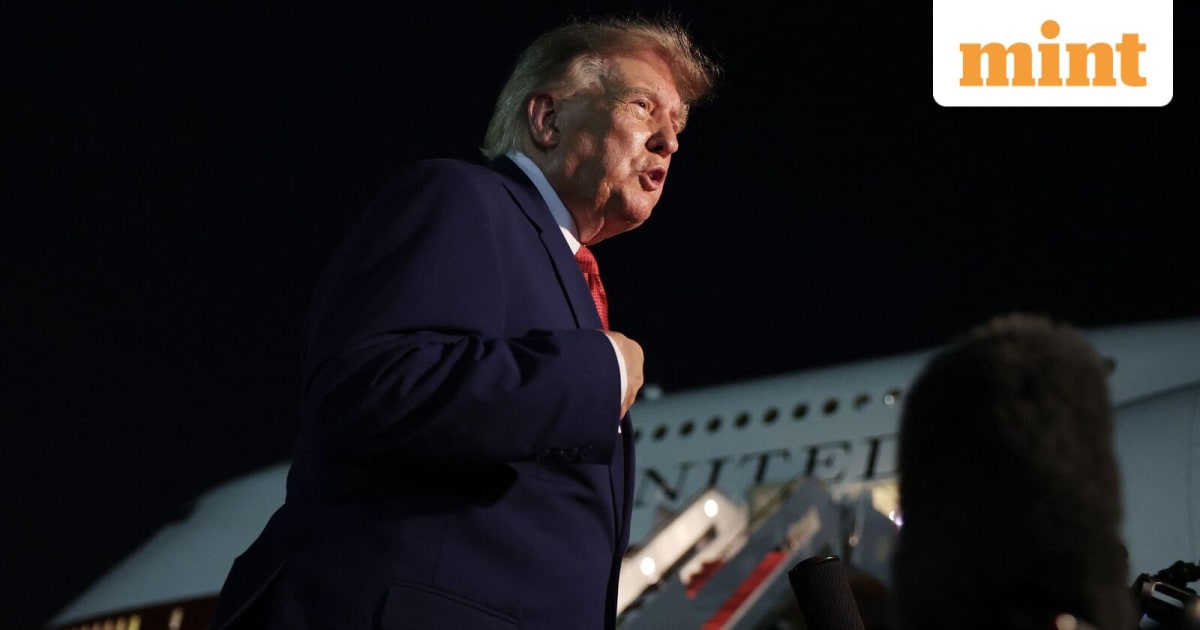
The geopolitical chessboard, particularly the volatile US-Iran relationship, often feels distant from the daily machinations of the Indian stock market. Yet, as WelthWest Research Desk's latest analysis reveals, the persistent friction between Washington and Tehran, far from being a mere diplomatic sideshow, is embedding a tangible risk premium into global crude oil prices. This premium, often underestimated, represents a foundational challenge to India’s economic stability and, by extension, its equity market. Despite former President Trump's recent comments suggesting Iran isn't ready for a "right deal," the underlying standoff remains, creating a state of perpetual uncertainty that directly impacts the cost of energy – a critical input for the world's fifth-largest economy.
India, importing over 85% of its crude oil requirements, is exceptionally vulnerable to Middle Eastern supply disruptions. A sustained increase in crude prices acts as a triple threat: it widens the current account deficit, fuels domestic inflation, and puts downward pressure on the Indian Rupee (INR). The last time crude oil spiked significantly, in early 2022 following the Russia-Ukraine conflict, the Nifty 50 saw a correction of nearly 10% over two months, largely driven by foreign institutional investor (FII) outflows seeking safer havens and concerns over macroeconomic stability. This historical parallel underscores the immediate relevance of the US-Iran dynamic to every Indian investor today.
Why Do US-Iran Tensions Matter for Indian Crude Oil Prices NOW?
The current geopolitical landscape is characterized by a delicate equilibrium, where even minor provocations or perceived escalations can trigger outsized reactions in commodity markets. Iran, a significant oil producer and strategically located nation, holds sway over the Strait of Hormuz, a choke point through which approximately 20% of the world's petroleum liquids pass daily. Any threat to this vital shipping lane, real or perceived, immediately translates into higher insurance premiums for tankers and, more critically, a speculative surge in crude oil futures. The global oil market, inherently sensitive to supply shocks, prices in this geopolitical risk long before any actual disruption occurs.
What makes this particularly pertinent now is the ongoing absence of a robust diplomatic framework. Stalled negotiations mean that the risk of miscalculation or unintended escalation remains elevated. This 'no-deal' scenario acts as a persistent bullish factor for crude oil, ensuring that prices remain sticky at higher levels rather than retreating significantly. For India, this translates into a higher import bill, directly impacting everything from transportation costs to manufacturing expenses. The ripple effect permeates the entire economy, influencing corporate profitability, consumer spending, and ultimately, investor sentiment.
Deep Market Impact Analysis: Unpacking the Indian Stock Market's Exposure
The interplay between global crude oil prices and the Indian equity market is nuanced, creating distinct winners and losers across sectors. A sustained oil price above $85-$90 per barrel, for instance, significantly alters the profitability landscape for various industries. Let's dissect the impact with specific data points and historical context.
Winners: The Unexpected Beneficiaries of Oil Volatility
- Oil & Gas Exploration (Upstream Companies): Companies involved in discovering and producing crude oil are direct beneficiaries of higher prices. Their revenue per barrel increases, boosting profitability. For example, a $10 increase in crude oil prices can translate to a 15-20% boost in the operating profits of upstream players like ONGC.
- Gold (Safe-Haven Asset): In times of geopolitical uncertainty and inflation, gold historically acts as a safe haven. Investors flock to the precious metal, driving up its price. This translates into gains for companies with significant gold exposure or those involved in gold financing/retailing.
Losers: Sectors Bearing the Brunt of Higher Input Costs
- Oil Marketing Companies (OMCs): Indian OMCs like HPCL, BPCL, and IOC operate in a challenging environment where retail fuel prices are often politically sensitive and don't always fully reflect international crude price movements. Higher crude input costs, without commensurate increases in retail prices, squeeze their marketing margins. In Q3 FY23, for instance, OMCs reported significant under-recoveries when crude prices were elevated, impacting their net profits by over 50% year-on-year for some players.
- Airlines: Aviation Turbine Fuel (ATF) constitutes 30-40% of an airline's operating costs. A surge in crude oil prices directly inflates ATF costs, eroding profit margins. During periods of high oil prices, airlines often struggle to pass on the full cost increase to consumers due to competitive pressures, impacting their bottom lines significantly.
- Chemicals: Many chemical companies rely on crude oil derivatives (naphtha, gas) as key feedstocks. Higher crude prices translate into increased raw material costs, impacting their manufacturing margins. This is particularly true for specialty chemical manufacturers who might not have sufficient pricing power to offset these increases.
- Logistics & Shipping: While not a direct loser in all scenarios, a severe escalation impacting the Strait of Hormuz could lead to significant disruptions, higher freight insurance, and longer transit times, increasing operational costs for shipping and logistics firms.
- Indian Rupee: A widening current account deficit due to higher oil imports, coupled with potential FII outflows driven by inflation concerns, places depreciation pressure on the INR. A weaker rupee, in turn, makes imports even more expensive, creating a vicious cycle.
- Interest-Rate Sensitive Sectors: Should the Reserve Bank of India (RBI) be compelled to hike interest rates to combat inflation fueled by higher oil prices, sectors sensitive to borrowing costs (e.g., real estate, auto, capital goods) would face headwinds.
Stock-by-Stock Breakdown: Navigating the Volatility in Indian Equities
Understanding the broad sector impact is crucial, but successful investing requires a granular view of specific companies. Here’s how key Indian stocks are positioned amidst the US-Iran geopolitical backdrop:
- ONGC (Oil and Natural Gas Corporation Ltd.) - NSE: ONGC: As India's largest crude oil and natural gas producer, ONGC is a primary beneficiary of rising crude prices. For every $1 increase in crude oil, ONGC's standalone EBITDA can see an uplift of approximately INR 400-500 crore, assuming stable production. Its market capitalization stands at over INR 3.2 lakh crore, and its P/E ratio, while subject to global energy cycles, often reflects its commodity exposure. Investors watch its production volumes and government policy on windfall taxes, which can cap gains. Peers include Oil India Ltd. (NSE: OIL), which operates similarly in the upstream segment.
- Reliance Industries Ltd. (NSE: RELIANCE): While a diversified conglomerate, Reliance's significant upstream oil and gas exploration division (especially its KG-D6 basin operations) benefits from higher crude prices. Its O2C (Oil to Chemicals) segment, however, faces a mixed bag – higher input costs but also potentially higher product prices. The net impact depends on crack spreads. With a market cap exceeding INR 19 lakh crore, its sheer scale makes it a bellwether for the Indian market, and its energy segment's performance is closely tied to global crude.
- HPCL (Hindustan Petroleum Corporation Ltd.) - NSE: HINDPETRO: A major Oil Marketing Company (OMC), HPCL faces significant headwinds from elevated crude prices. Its gross refining margins (GRMs) can be volatile, and its marketing segment's profitability is directly hit when retail prices are not fully deregulated. In periods of high crude, HPCL, along with its peers BPCL (NSE: BPCL) and IOC (Indian Oil Corporation Ltd., NSE: IOC), can see their net profits swing from robust gains to substantial losses, as evidenced by the under-recoveries in FY23. Their P/E ratios are often depressed during such cycles due to earnings uncertainty.
- InterGlobe Aviation Ltd. (IndiGo) - NSE: INDIGO: As India's largest airline, IndiGo is highly sensitive to ATF prices. Fuel costs represent its single largest expense. A 10% increase in ATF prices can reduce IndiGo's operating margins by 3-5 percentage points, depending on its ability to pass on costs. Its market cap is over INR 50,000 crore, and its profitability is directly correlated with global crude trends. SpiceJet Ltd. (NSE: SPICEJET), a smaller peer, faces similar, if not more acute, challenges due to its weaker balance sheet.
- Titan Company Ltd. (NSE: TITAN): As a leading player in the jewelry segment, Titan benefits from rising gold prices, which can enhance its inventory valuation and drive higher sales value, especially in its Tanishq brand. While its revenue is diversified across watches and eyewear, the jewelry segment remains a significant contributor. A safe-haven surge in gold due to geopolitical risk can directly bolster its top line. Its market cap is over INR 3.5 lakh crore, reflecting its strong brand equity and market leadership.
Expert Perspective: Contrasting Views on Geopolitical Risk Premium
The market's interpretation of US-Iran tensions is rarely monolithic. Bears and bulls often find different angles to support their theses.
Bearish Argument: "The geopolitical risk premium in crude is here to stay, and potentially escalate. With global inventories tightening and OPEC+ production cuts, any significant disruption from the Middle East could send crude well past $100 per barrel. India's macroeconomic buffers are strong, but not limitless. Sustained high oil prices will inevitably lead to higher inflation, forcing the RBI's hand on rates, triggering FII outflows, and a weaker rupee. This will create broad market headwinds, impacting consumption and investment across the board. The risk of a 'hard landing' for the Indian economy increases significantly."
Bullish Argument: "While US-Iran tensions are a factor, the market often overprices geopolitical risk. The global economy, particularly China, is showing signs of slowing, which could temper overall demand for crude, acting as a natural cap on prices. Furthermore, the US strategic petroleum reserve (SPR) and other global buffers provide some cushion against minor supply shocks. India's economy is structurally robust, and domestic demand remains strong. Any short-term oil-induced inflation will likely be transitory, and the RBI has demonstrated its ability to manage such shocks without resorting to aggressive rate hikes that could derail growth. We see any market corrections due to oil as buying opportunities in fundamentally strong domestic-oriented sectors."
Actionable Investor Playbook: Navigating Oil Volatility
Given the persistent nature of US-Iran tensions and their direct impact on India, a strategic approach is paramount for investors:
- Buy Upstream Oil & Gas: Consider accumulating shares of ONGC and Oil India on dips. Their earnings are directly leveraged to crude prices. Long-term horizon (1-3 years) is recommended, as geopolitical cycles can be extended. Entry points during temporary crude price corrections offer better risk-reward.
- Hedge with Gold Exposure: For those seeking portfolio diversification and a hedge against inflation and geopolitical risk, consider investing in gold ETFs (e.g., Nippon India ETF Gold BeES - NSE: GOLDSHARE) or companies with significant gold exposure like Titan Company Ltd. (NSE: TITAN). This offers a tactical allocation with a medium-term horizon (6-12 months).
- Avoid or Reduce Exposure to OMCs and Airlines: Given the direct impact on their profitability, it is prudent to either reduce exposure to HPCL, BPCL, IOC, IndiGo, and SpiceJet or at least maintain a cautious 'hold' stance. Short-term trading in these volatile names is high-risk.
- Monitor Interest-Rate Sensitive Sectors: While not a direct 'sell,' sectors like real estate (e.g., DLF, Godrej Properties), auto (e.g., Maruti Suzuki, Tata Motors), and capital goods (e.g., Larsen & Toubro) should be watched closely. If oil-driven inflation forces aggressive RBI rate hikes, these sectors will face significant pressure.
- Focus on Domestic Consumption & Defensives: Companies with strong domestic demand drivers and limited reliance on imported raw materials, or those in defensive sectors (e.g., FMCG, Pharma), offer relative stability during periods of commodity-driven volatility.
Risk Matrix: Assessing Potential Scenarios
Understanding the range of possible outcomes is key to proactive investing:
- Escalation & Strait of Hormuz Disruption (Probability: Medium-Low, Impact: High): A direct military confrontation or an Iranian blockade of the Strait of Hormuz, even temporary, would send crude oil prices soaring, potentially to $120-$150+ per barrel. This would severely cripple global trade and trigger a sharp downturn in the Indian market, leading to significant FII outflows and a rapid rupee depreciation.
- Sustained Standoff & High Oil Prices (Probability: High, Impact: Medium-High): The current 'no-deal' scenario persists, keeping crude oil in the $85-$95 range. This leads to persistent inflationary pressures in India, gradual rupee depreciation, and continued margin pressure for OMCs and airlines. The Indian market experiences sector-specific divergence and overall subdued sentiment.
- Diplomatic Breakthrough & De-escalation (Probability: Low-Medium, Impact: Medium): A surprise diplomatic breakthrough or a renewed nuclear deal could ease tensions, leading to a significant drop in crude oil prices (potentially below $70 per barrel). This would be a major positive for India's economy, boosting OMCs and airlines, strengthening the rupee, and potentially triggering a broad market rally.
- Global Economic Slowdown (Probability: Medium, Impact: Medium): A significant slowdown in global economic growth, particularly in major oil-consuming nations like China, could temper demand for crude oil, naturally capping or even reducing prices. While this would be beneficial for India's oil import bill, it could simultaneously impact India's export-oriented sectors and overall growth prospects.
What to Watch Next: Catalysts on the Horizon
Investors should closely monitor several upcoming catalysts and data releases that could influence the US-Iran situation and, consequently, crude oil prices:
- US Sanctions Enforcement: Any tightening or loosening of US sanctions enforcement on Iranian oil exports. Increased enforcement would reduce supply, pushing prices up.
- OPEC+ Meetings and Production Decisions: Scheduled OPEC+ meetings (typically every few months) will reveal their stance on production quotas, directly impacting global supply.
- Iranian Presidential Elections/Internal Politics: Internal political shifts in Iran could alter its foreign policy stance and approach to negotiations.
- International Atomic Energy Agency (IAEA) Reports: Regular reports from the IAEA on Iran's nuclear program provide insights into compliance and potential points of contention.
- Global Economic Data: Key economic indicators from the US, China, and Europe (e.g., manufacturing PMIs, retail sales, GDP growth) will signal global oil demand trends.
- Indian Macroeconomic Data: RBI monetary policy reviews, inflation data (CPI), and current account deficit figures will reflect the domestic impact of crude price movements.
The US-Iran geopolitical dynamic is a complex, evolving narrative with profound implications for global energy markets and, crucially, for the Indian economy and its stock market. By understanding the underlying mechanisms and potential outcomes, investors can position their portfolios defensively and opportunistically, turning geopolitical risk into a strategic advantage.
See ONGC's AI Score
Our algorithmic screener scores ONGC on fundamentals, momentum, and risk — free to try, no card needed.
Try the AI Screener →Have questions about this story?
Ask Welth, our finance-focused AI research assistant, for a deeper breakdown — free trial included.
Chat with Welth AI →Disclaimer: This content is generated by WelthWest Research Desk based on publicly available reports and is for informational purposes only. It does not constitute financial advice, investment recommendations, or an offer to buy or sell securities. Always consult a qualified financial advisor before making investment decisions.
