Key Takeaway
The elimination of high-ranking insurgent leadership in Nigeria significantly lowers the 'geopolitical risk premium' on West African crude, directly boosting the refining margins of Indian OMCs and securing the energy supply chain for ONGC Videsh.
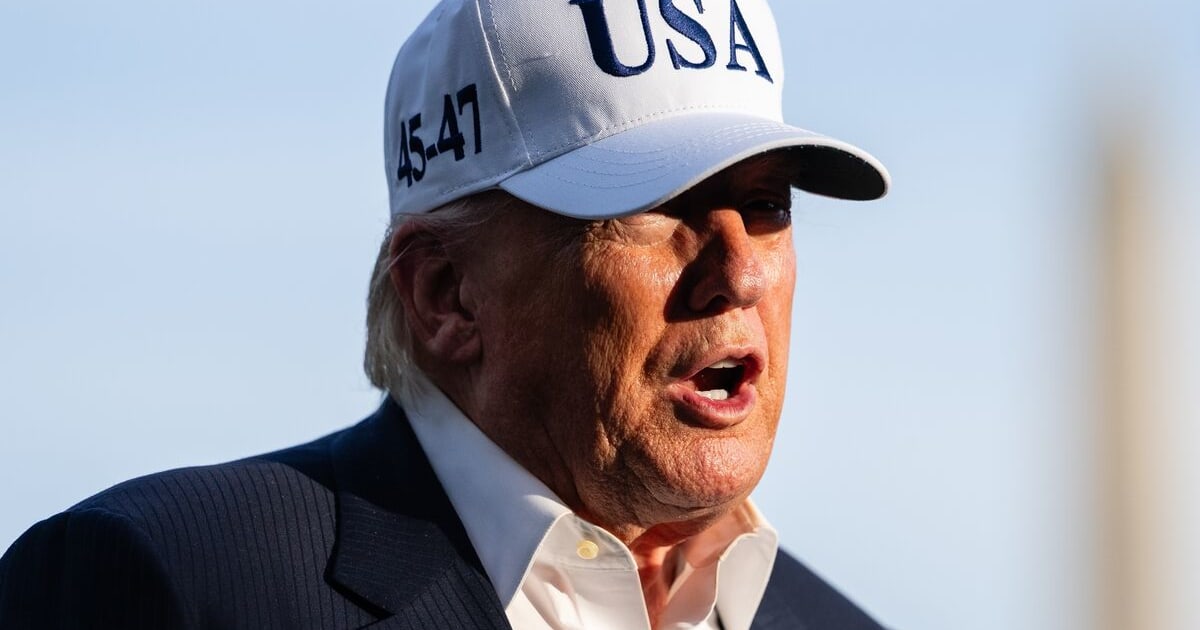
A joint US-Nigeria military operation has successfully eliminated a top ISIS leader in Africa, marking a pivotal moment for regional stability. For Indian investors, this move secures a critical oil corridor, potentially lowering Brent prices and stabilizing input costs for state-run refiners like IOCL and HPCL.
The Geopolitical Pivot: Why a Military Strike in Africa Resonates on the NSE
In a high-stakes joint operation, US and Nigerian forces have successfully eliminated a top-tier ISIS leader operating within the African continent. While the headlines focus on the counter-terrorism victory, the real story for global markets lies in the stabilization of the Gulf of Guinea. Nigeria, Africa’s largest oil producer, has long been plagued by insurgency and oil theft, which historically adds a $3 to $5 'risk premium' to every barrel of Nigerian crude. For India, which relies on Nigeria for nearly 10-12% of its crude imports, this development is a structural tailwind for the energy sector.
The elimination of leadership within extremist groups often leads to a temporary vacuum in insurgent operations, providing a window of security for oil infrastructure. In the past, groups like Boko Haram and ISIS-West Africa (ISWAP) have targeted pipelines and personnel, leading to force majeure declarations that spiked global Brent prices. By neutralizing this threat, the US-Nigeria alliance is effectively de-risking the supply chain for Indian Oil Marketing Companies (OMCs).
How does Nigerian stability affect Indian oil stocks?
Indian refiners, particularly state-owned enterprises, are highly sensitive to the 'sweet' crude grades produced in Nigeria, such as Bonny Light and Qua Iboe. These grades are low in sulfur and yield high amounts of gasoline and diesel—products that drive the Indian economy. When Nigerian production is stable, the premium over Brent narrows. For companies like Indian Oil Corporation (IOCL) and Bharat Petroleum (BPCL), a more predictable supply from West Africa means lower procurement costs and improved Gross Refining Margins (GRMs).
"Stability in the Niger Delta and surrounding regions isn't just a local victory; it's a fiscal relief for the Indian government. Every dollar drop in the sustainable price of crude helps narrow India's Current Account Deficit (CAD) and strengthens the Rupee against the Dollar."
Deep Market Analysis: The Correlation Between West African Security and Nifty Energy
Historically, disruptions in Nigerian oil supply have sent shockwaves through the Indian markets. In 2016, when the Niger Delta Avengers crippled production, the Nifty Energy index saw a 4.5% volatility spike within a single trading week. Conversely, periods of relative peace in the region have historically correlated with a 150-200 basis point improvement in the EBITDA margins of Indian downstream companies.
The current operation comes at a time when global oil markets are tightly balanced. With OPEC+ maintaining production cuts, any 'accidental' supply from stable Nigerian fields acts as a buffer. For the Oil and Natural Gas Corporation (ONGC), which has significant overseas assets managed by its subsidiary OVL (ONGC Videsh), regional stability ensures that their capital expenditures in African offshore blocks are protected from sabotage.
The Quantitative Impact: Brent, OMCs, and the 'Invisible' Discount
Data suggests that for every $1 per barrel decrease in the price of crude, Indian OMCs can potentially see an expansion of 30-40 paise per liter in marketing margins, provided retail prices remain steady. With the ISIS leadership removed, the probability of large-scale coordinated attacks on the Forcados or Escravos terminals diminishes. This reduces the need for expensive spot-market hedging, allowing HPCL and BPCL to optimize their inventory management.
Stock-by-Stock Breakdown: The Winners in the Indian Market
1. ONGC (NSE: ONGC)
Market Cap: ~₹3.6 Trillion | P/E Ratio: ~7.5x
ONGC is the primary beneficiary through its international arm, OVL. Stability in Africa reduces the operational risk for its exploration projects. Furthermore, as a domestic producer, ONGC benefits from a stable global price environment that isn't prone to sudden, violent spikes that trigger 'windfall taxes' from the Indian government. A stable $75-$80 Brent range is the 'sweet spot' for ONGC's profitability.
2. Indian Oil Corporation (NSE: IOCL)
Market Cap: ~₹2.4 Trillion | Dividend Yield: ~7-8%
IOCL is India's largest refiner and a massive consumer of West African crude. The reduction in the geopolitical risk premium directly lowers their 'cost of goods sold.' With the stock trading at a reasonable P/E compared to its 5-year average, any sustained stability in Nigeria could lead to a re-rating of the stock as GRMs stabilize above $10 per barrel.
3. Bharat Petroleum Corporation Ltd (NSE: BPCL)
Market Cap: ~₹1.3 Trillion | P/E Ratio: ~9.2x
BPCL's sophisticated refineries are perfectly tuned for Nigerian grades. The company has been aggressively diversifying its sourcing, but Nigeria remains a cornerstone. The elimination of the ISIS threat reduces the likelihood of shipping disruptions through the Atlantic corridors, ensuring a steady flow to BPCL’s Kochi and Mumbai refineries.
4. Hindustan Petroleum Corporation Ltd (NSE: HPCL)
Market Cap: ~₹750 Billion
As a pure-play refiner and marketer with less upstream exposure than ONGC, HPCL is the most sensitive to crude price volatility. A 'calm' oil market, facilitated by successful counter-insurgency operations, allows HPCL to recoup under-recoveries from previous quarters. Watch for a breakout above its 200-day moving average if Brent stays sub-$80.
5. Reliance Industries (NSE: RELIANCE)
Market Cap: ~₹19 Trillion
While RIL has a global sourcing desk, its Jamnagar complex thrives on complexity. However, global stability reduces the 'freight premium' which often rises during times of African unrest. RIL's O2C (Oil to Chemicals) segment benefits from the general bullish sentiment in the energy sector following major security wins.
Expert Perspective: Bull vs. Bear Case
The Bull Argument: Analysts at WelthWest argue that this operation is a precursor to a more permanent US military presence in the region, which will act as a 'security blanket' for energy infrastructure. This could lead to Nigeria hitting its OPEC quota of 1.5 million barrels per day more consistently, providing the global market with much-needed liquidity and keeping inflation in check for emerging markets like India.
The Bear Argument: Contrarian voices suggest that the elimination of a leader often leads to 'hydra-headed' retaliation. Small, decentralized cells may target 'soft' oil targets—pipelines in the delta—to prove they are still functional. If retaliation occurs, the initial bullishness in OMC stocks could quickly reverse into a panic sell-off as supply concerns return.
Actionable Investor Playbook: How to Position Your Portfolio
- The Strategy: Accumulate OMCs on dips. The structural story of Indian energy demand remains intact, and regional stability in Africa is a secondary catalyst that hasn't been fully priced in.
- Entry Points: For IOCL, look for entries near the ₹165-₹170 range. For ONGC, the ₹270 level remains a strong support zone.
- Time Horizon: 6-12 months. This is not a day-trade play; it is a fundamental shift in the risk profile of the energy sector.
- Sector Rotation: If oil prices soften due to this stability, expect a rotation out of 'Safe Haven' Gold and into high-beta Energy and Logistics stocks.
Risk Matrix: What Could Go Wrong?
- Retaliatory Strikes (Probability: Medium | Impact: High): Insurgent remnants may target Shell or Chevron facilities in Nigeria, leading to immediate supply shocks.
- Currency Volatility (Probability: High | Impact: Medium): A strengthening Dollar could offset the gains from lower crude prices for Indian refiners.
- Global Macro Slowdown (Probability: Low | Impact: High): If China's demand continues to falter, the 'stability' in Nigeria won't matter as much as the lack of overall demand.
What to watch next?
Investors should keep a close eye on the EIA (Energy Information Administration) Weekly Petroleum Status Report and the Nigerian National Petroleum Corporation (NNPC) production data for the next month. Any uptick in Nigerian export volumes will be the first concrete sign that the military operation is yielding economic dividends. Furthermore, watch for the next RBI Monetary Policy Committee meeting; if energy-led inflation cools, the path for a rate cut in India becomes much clearer, providing a secondary boost to the entire Nifty 50.
See ONGC's AI Score
Our algorithmic screener scores ONGC on fundamentals, momentum, and risk — free to try, no card needed.
Try the AI Screener →Have questions about this story?
Ask Welth, our finance-focused AI research assistant, for a deeper breakdown — free trial included.
Chat with Welth AI →Disclaimer: This content is generated by WelthWest Research Desk based on publicly available reports and is for informational purposes only. It does not constitute financial advice, investment recommendations, or an offer to buy or sell securities. Always consult a qualified financial advisor before making investment decisions.
