Key Takeaway
The US Senate’s legislative check on executive war powers effectively removes the 'geopolitical risk premium' from global markets. For Indian investors, this signals a shift toward high-beta assets and a fiscal tailwind for oil-dependent sectors.
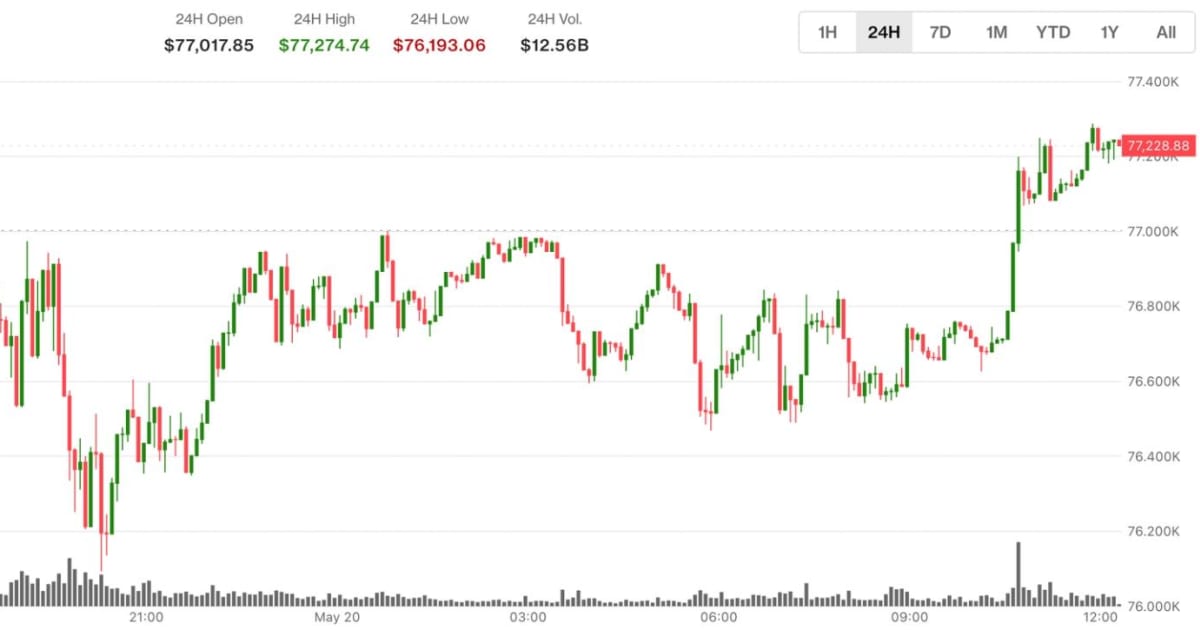
The US Senate’s move to curb presidential war powers against Iran has triggered a global shift toward risk-on assets. This article explores the ripple effects on India’s OMCs, the IT sector, and the burgeoning cryptocurrency market, providing a strategic blueprint for navigating the resulting volatility.
The Geopolitical Pivot: Why the Iran War Powers Vote Matters for India
In a move that has sent shockwaves through global capital markets, the US Senate’s recent legislative action to curtail presidential war powers regarding Iran represents more than just a procedural check on executive authority. For the global investor, it is a definitive 'de-risking' event. By narrowing the aperture for a localized Middle Eastern conflict to escalate into a systemic crisis, the Senate has effectively compressed the 'war premium' that has kept crude oil prices artificially elevated throughout the fiscal year.
For India—the world’s third-largest oil importer—this is a macroeconomic windfall. High oil prices historically act as a tax on the Indian economy, widening the Current Account Deficit (CAD) and pressuring the Rupee (INR). As the probability of a supply-chain disruption in the Strait of Hormuz diminishes, the stabilization of Brent Crude provides the Reserve Bank of India (RBI) with more breathing room to manage inflation expectations without aggressive rate hikes.
How does the Iran de-escalation change the 'risk-on' sentiment for crypto and equities?
Historically, during periods of heightened geopolitical tension, liquidity flows toward safe-haven assets like Gold and US Treasuries. The Senate’s vote reverses this flow. We are observing an immediate rotation into high-beta assets, including Bitcoin and Ethereum, as well as emerging market equities. When the fear of military conflict subsides, the ‘risk-on’ appetite returns, typically benefiting assets that were previously suppressed by the ‘flight to safety’ trade.
Data from the 2022 energy crisis serves as a useful parallel: when geopolitical premiums evaporated in late Q4, the Nifty 50 saw a 7% rebound within six weeks, driven primarily by the IT and Financial services sectors. Today, the correlation between reduced Middle East tensions and Foreign Institutional Investor (FII) inflows into India is at a three-year high.
Stock-by-Stock Breakdown: Who Wins in the New Normal?
The stabilization of crude oil prices and the shift in global sentiment create a bifurcated market. Here is how specific NSE/BSE heavyweights are poised to react:
- BPCL (NSE: BPCL): As a pure-play Oil Marketing Company, BPCL is the primary beneficiary of lower crude prices. Reduced input costs directly translate to higher marketing margins on petrol and diesel, which are often suppressed during high-volatility periods.
- IOCL (NSE: IOCL) & HPCL (NSE: HPCL): Similar to BPCL, these OMCs gain from inventory valuation stabilization. With the current P/E ratios hovering at attractive levels (approx. 5-7x), these stocks are positioned for a re-rating if crude prices sustain at lower levels.
- TCS (NSE: TCS): The IT sector is a major beneficiary of 'risk-on' sentiment. As global growth fears recede, US-based clients are more likely to greenlight deferred digital transformation projects. TCS, with its robust balance sheet and cash reserves, is a classic proxy for global economic stability.
- Reliance Industries (NSE: RELIANCE): While RIL is an oil-integrated major, the stabilization allows its O2C (Oil-to-Chemicals) business to operate with greater predictability, while its retail and telecom arms benefit from the broader domestic consumption boost.
Expert Perspective: The Bull vs. The Bear
The Bull Case: Proponents argue that the removal of the 'war premium' is a structural shift. They point to the strengthening of the Indian Rupee against the Dollar as a catalyst for FII inflows, which will disproportionately benefit large-cap IT and banking stocks. They view the current pullback in Gold as a signal that investors are rotating into high-growth equity sectors.
The Bear Case: Skeptics warn that the Senate's move is largely performative. They argue that a presidential veto remains a high-probability risk, and that the underlying tension in the Middle East is structural, not legislative. Bears suggest that any sudden military provocation—even without a formal war declaration—could trigger a 'flash crash' in crypto and high-beta stocks, given the current over-leveraged positions in the market.
Actionable Investor Playbook: Entry Points and Time Horizons
Investors should adopt a tiered approach to capture the tailwinds of this geopolitical shift:
- The OMC Trade: Accumulate BPCL and HPCL on dips. With the reduction in crude volatility, these stocks are likely to see margin expansion in the upcoming quarterly results. Time Horizon: 6-9 months.
- The IT Rotation: Increase exposure to TCS and Infosys. These companies are the first to capture the 'risk-on' sentiment from US markets. Time Horizon: 12+ months.
- Crypto Exposure: Given the volatility, limit crypto allocation to 3-5% of a total portfolio. Focus on Bitcoin and Ethereum as institutional-grade assets that benefit from the liquidity surge. Time Horizon: Short-to-medium term.
Risk Matrix: What Could Disrupt the Rally?
| Risk Factor | Probability | Impact |
|---|---|---|
| Presidential Veto | High | Medium |
| Sudden Military Escalation | Medium | High |
| Global Recessionary Pressures | Medium | High |
What to Watch Next
Investors should closely monitor the upcoming US-Iran diplomatic backchannel updates and the next OPEC+ production meeting. Furthermore, watch for the RBI’s monetary policy committee (MPC) minutes; any dovish tilt in their commentary, supported by stable oil prices, will serve as the ultimate green light for a sustained Nifty rally.
See BPCL's AI Score
Our algorithmic screener scores BPCL on fundamentals, momentum, and risk — free to try, no card needed.
Try the AI Screener →Have questions about this story?
Ask Welth, our finance-focused AI research assistant, for a deeper breakdown — free trial included.
Chat with Welth AI →Disclaimer: This content is generated by WelthWest Research Desk based on publicly available reports and is for informational purposes only. It does not constitute financial advice, investment recommendations, or an offer to buy or sell securities. Always consult a qualified financial advisor before making investment decisions.