Key Takeaway
US shale producers are flooding the market to capitalize on price spikes, effectively creating a 'price ceiling' that protects India’s Current Account Deficit and lowers inflationary pressure for downstream sectors.
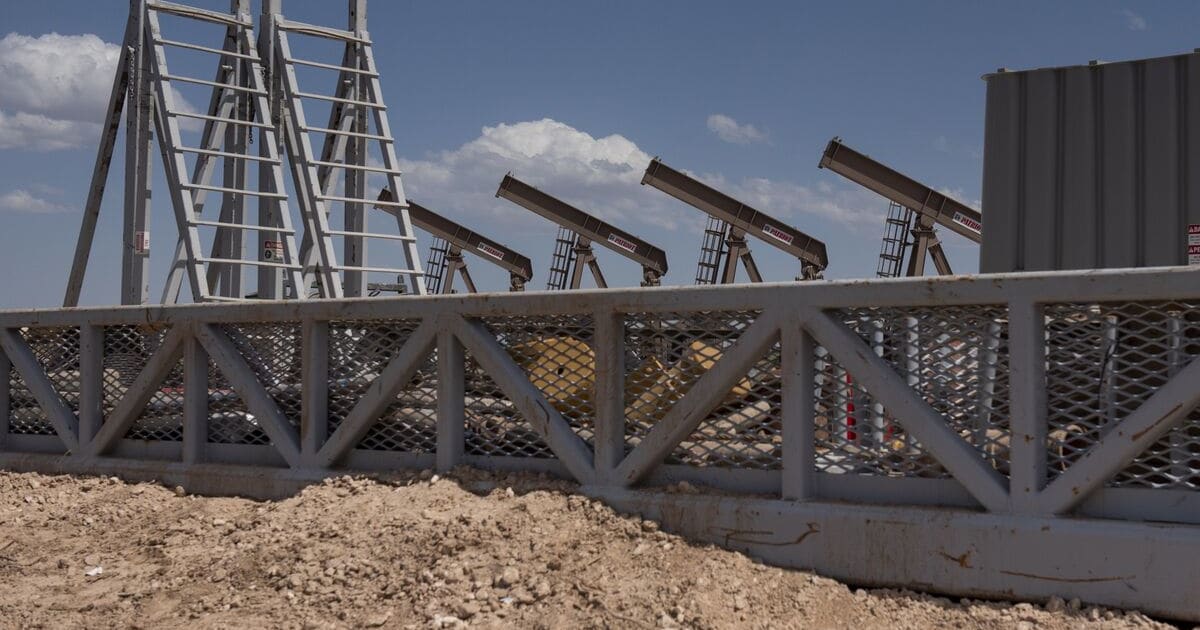
As Middle East geopolitical tensions threaten global energy security, US shale output is surging to fill the supply gap. This article breaks down the ripple effects on the Indian stock market, highlighting which sectors are positioned to outperform as global crude prices stabilize.
The Shale Shield: Rebalancing Global Energy Dynamics
In the high-stakes theater of global energy, a familiar protagonist has returned to the stage. As geopolitical friction in the Middle East pushes Brent crude toward critical resistance levels, US shale producers—led by industry stalwarts like Diamondback Energy—are pivoting to immediate production increases. For the Indian investor, this is more than just a headline from the Permian Basin; it is a critical supply-side intervention that effectively places a 'soft cap' on global oil prices, shielding the Indian economy from imported inflation.
Historically, India’s macro-stability is tethered to the price of a barrel of crude. When prices surge, the Current Account Deficit (CAD) widens, the Rupee depreciates, and the Reserve Bank of India (RBI) is forced to tighten liquidity. The surge in US shale acts as a vital safety valve, preventing the kind of supply-shock-driven inflation that crippled market sentiment during the 2022 energy crisis.
How Does the US Shale Boom Influence Indian Stock Market Volatility?
The relationship between US production and Indian equity performance is inverse and profound. When US shale output rises, it dampens the 'geopolitical risk premium' embedded in oil futures. For India, a net importer, this means a more predictable import bill. Data from the 2022 price surge shows that when crude remained above $100/bbl, the Nifty 50 saw heightened volatility, particularly in the OMC (Oil Marketing Company) space, where under-recoveries ballooned and forced margin compression.
By increasing supply, US producers prevent the 'runaway' pricing scenario. This stability is a boon for India’s consumption-led growth story. Lower oil prices act as a de facto tax cut for the Indian consumer, boosting discretionary spending power, which directly benefits sectors like aviation and consumer durables.
The Sectoral Winners and Losers
The market impact is binary. Downstream players—those that refine oil or use it as a feedstock—reap the benefits of price stability. Conversely, upstream entities, which are essentially 'price takers' of global benchmarks, face margin contraction if the supply surge forces a downward correction in crude prices.
- OMCs (IOCL, BPCL, HPCL): These firms benefit when crude prices stabilize, as it allows them to maintain marketing margins on petrol and diesel without the political pressure to absorb losses.
- Aviation (Indigo): Jet fuel (ATF) accounts for nearly 40% of an airline's operating costs. A stable oil price environment is the single biggest catalyst for margin expansion in the aviation sector.
- Paint and Tyre (Asian Paints, MRF, Apollo Tyres): These industries rely heavily on crude-derived petrochemicals. Lower input costs directly flow to the bottom line, expanding EBITDA margins.
- Upstream (ONGC, Oil India): These companies are the clear losers. Their profitability is directly correlated with the realization price of crude. A surge in US shale supply creates a price ceiling that limits their windfall gains.
Stock-by-Stock Deep Dive: Navigating the Energy Trade
1. IOCL (Indian Oil Corporation): With a massive refining capacity, IOCL benefits significantly when the spread between crude and refined products remains healthy. At current P/E multiples, the stock remains a play on domestic volume growth and lower under-recovery risks.
2. BPCL (Bharat Petroleum): Often seen as the most agile OMC, BPCL’s marketing margins are highly sensitive to global price fluctuations. A 'shale-capped' oil price environment is the ideal backdrop for their valuation rerating.
3. Indigo (InterGlobe Aviation): As the dominant player in the Indian skies, Indigo's operating leverage is immense. If the shale surge keeps oil below the $80/bbl threshold, Indigo is likely to see significant EPS upgrades as fuel costs moderate.
4. ONGC (Oil & Natural Gas Corporation): Despite the bearish outlook on price realization, ONGC remains a dividend powerhouse. Investors should view this stock as a hedge; it underperforms during shale-driven price corrections but provides stability in a diversified portfolio.
Expert Perspective: The Bull vs. Bear Case
The bulls argue that the US shale industry has matured, focusing on capital discipline and shareholder returns rather than 'growth at all costs.' This means supply increases will be sustainable rather than transient. The bears, however, warn that the physical infrastructure in the Middle East is the true wild card; if conflict escalates to a level that disrupts the Strait of Hormuz, no amount of Permian Basin shale can bridge the 20-million-barrel-per-day gap.
Actionable Investor Playbook
Investors should adopt a barbell strategy. Maintain exposure to downstream beneficiaries (OMCs/Aviation) for growth and margin expansion, while keeping a smaller, dividend-yielding position in upstream players (ONGC) as a geopolitical hedge. Entry Point: Look for consolidation phases in OMCs after a 5% pullback in crude prices. Time Horizon: 6-18 months, as the supply-side response from US shale typically takes 1-2 quarters to manifest fully in global inventory data.
Risk Matrix: Assessing the Uncertainties
| Risk Factor | Probability | Impact |
|---|---|---|
| Strait of Hormuz Blockade | Low | Catastrophic |
| OPEC+ Production Cuts | Medium | High |
| US Shale Regulatory Shifts | Low | Medium |
| Global Demand Recession | Medium | Medium |
What to Watch Next
The next critical data point is the EIA (Energy Information Administration) Weekly Petroleum Status Report. A consistent draw in US crude inventories despite increased drilling would signal that the market is tightening, potentially overriding the shale supply. Additionally, keep an eye on the RBI Monetary Policy Committee (MPC) meeting minutes; any mention of 'imported inflation' is a direct signal that the central bank is watching oil prices closely.
See IOCL's AI Score
Our algorithmic screener scores IOCL on fundamentals, momentum, and risk — free to try, no card needed.
Try the AI Screener →Have questions about this story?
Ask Welth, our finance-focused AI research assistant, for a deeper breakdown — free trial included.
Chat with Welth AI →Disclaimer: This content is generated by WelthWest Research Desk based on publicly available reports and is for informational purposes only. It does not constitute financial advice, investment recommendations, or an offer to buy or sell securities. Always consult a qualified financial advisor before making investment decisions.
