Key Takeaway
The 'Higher for Longer' Fed narrative is forcing a structural repricing of Indian IT exporters. Investors must pivot away from high-multiple growth plays toward defensive, margin-accretive sectors as the yield-gap narrows.
A hawkish Fed is triggering a massive rotation out of global growth stocks, sending tremors through the Nifty IT index. We analyze why this selloff is fundamentally different from previous cycles and how Indian IT majors are positioned for a period of valuation compression.
The Great Decoupling Ends: Why US Yields Are Dictating Indian IT Valuations
The correlation between the Nasdaq-100 and the Nifty IT index has never been more lethal. As US Treasury yields climb—pushed higher by a resilient jobs report that forces the Federal Reserve to keep interest rates in restrictive territory—the cost of capital for global technology firms is skyrocketing. For Indian IT exporters, this isn't just a headline risk; it is a fundamental shift in the valuation framework of the sector.
When the US 10-year yield breaks above the 4.5% threshold, the 'risk-free' rate becomes a formidable competitor to equity yields. This forces global institutional investors to re-evaluate their exposure to emerging market growth proxies. For the Indian IT sector, which derives over 80% of its revenue from North American clients, the implications are profound: project deferrals, budget tightening, and a contraction in price-to-earnings (P/E) multiples.
How do rising US bond yields impact Indian IT stocks?
The mechanism is twofold: Currency Depreciation and Client Spending. As the US Dollar strengthens against the Rupee due to the interest rate differential, domestic IT firms initially enjoy a tailwind in reported earnings. However, this is swiftly offset by the 'denominator effect'—the massive compression of P/E multiples as investors discount future cash flows at a higher rate. Historically, when US yields surged during the 2022 tightening cycle, the Nifty IT index saw a drawdown of nearly 25% over six months, significantly underperforming the broader Nifty 50.
Sectoral Breakdown: Winners and Losers
- The Losers (IT Services): Companies with heavy exposure to discretionary tech spending (digital transformation projects) are seeing a direct correlation between US rate hikes and project cancellations.
- The Winners (Banking): Unlike IT, the Indian banking sector thrives in a high-interest-rate environment. Net Interest Margins (NIMs) expand as lenders reprice loans faster than deposits, providing a defensive hedge against the IT rout.
Stock-by-Stock Analysis: The Frontline of the Selloff
TCS (TCS.NS): Trading at a P/E of ~28x, TCS is the industry benchmark. While its cash-rich balance sheet provides a safety net, the slowdown in BFSI (Banking, Financial Services, and Insurance) spending in the US directly hits their largest revenue vertical. We expect revenue growth to remain muted in the mid-single digits for the next two quarters.
Infosys (INFY.NS): Often the bellwether for discretionary spending, Infosys is feeling the heat of 'cost-optimization' mandates from its Tier-1 US clients. If the P/E multiple contracts toward its 5-year mean of 22x, the stock could face further downside pressure despite its strong operational efficiency.
HCLTech (HCLTECH.NS) & Wipro (WIPRO.NS): These firms are more vulnerable to the 'duration' risk of their contracts. As clients delay long-term tech investments, HCL and Wipro face margin headwinds, particularly as they struggle to maintain utilization levels amid a hiring freeze.
Tech Mahindra (TECHM.NS): With significant exposure to the struggling communication and media sectors, TechM is the most sensitive to US macroeconomic volatility. Its valuation is currently pricing in a recovery that remains elusive.
Expert Perspectives: The Bull-Bear Divergence
The bears argue that we are entering a 'lost decade' for Indian IT, where the era of 15% CAGR revenue growth is replaced by low-single-digit growth as AI disrupts traditional service models. Conversely, the bulls maintain that the current correction is a buying opportunity, citing the long-term structural demand for cloud migration and the potential for a Fed pivot in late 2025.
Actionable Investor Playbook: Navigating the Volatility
For the long-term investor, this environment demands a shift in strategy:
- Avoid 'Falling Knives': Refrain from bottom-fishing in IT stocks until the US 10-year yield shows signs of sustained stabilization below 4%.
- Rotate to Defensive Yields: Shift capital toward high-dividend-paying banks and FMCG stocks that offer a buffer against market beta.
- Monitor Deal TCV (Total Contract Value): Watch for quarterly commentary on TCV. If TCV drops for two consecutive quarters across the sector, the valuation floor is likely to drop further.
Risk Matrix: Assessing the Downside
| Risk Factor | Probability | Impact |
|---|---|---|
| Persistent US Inflation (Sticky CPI) | High | Severe |
| FII Capital Outflow from India | Medium | High |
| IT Sector Wage Inflation | Low | Medium |
What to Watch Next
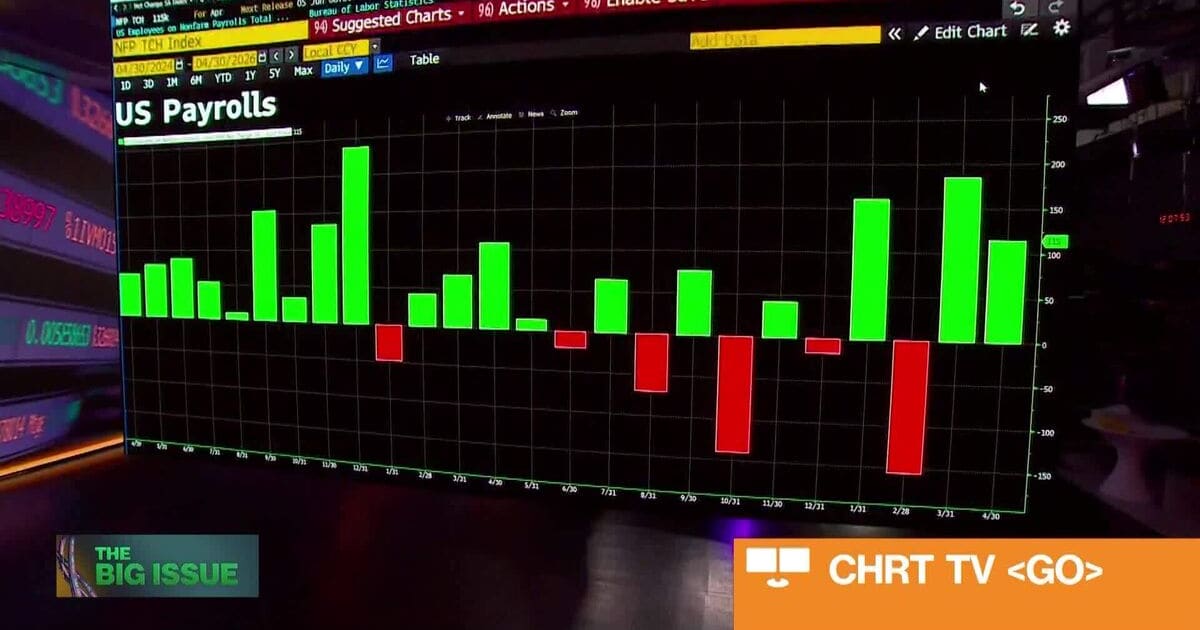
The upcoming US Non-Farm Payroll (NFP) report and the subsequent FOMC meeting minutes are the primary catalysts. Any hint of 'higher for longer' rhetoric from the Fed will likely trigger the next leg down in Nifty IT. Investors should specifically monitor the US Core PCE Price Index; if it continues to surprise on the upside, the valuation compression in Indian tech is far from over.
See TCS's AI Score
Our algorithmic screener scores TCS on fundamentals, momentum, and risk — free to try, no card needed.
Try the AI Screener →Have questions about this story?
Ask Welth, our finance-focused AI research assistant, for a deeper breakdown — free trial included.
Chat with Welth AI →Disclaimer: This content is generated by WelthWest Research Desk based on publicly available reports and is for informational purposes only. It does not constitute financial advice, investment recommendations, or an offer to buy or sell securities. Always consult a qualified financial advisor before making investment decisions.
